The world of electric motorcycle transport is accelerating, but a persistent question lingers for fleet operators: how do you keep your vehicles on the road and earning? The conventional answer—plugging in and waiting—is a roadblock to efficiency. For every hour an electric motorcycle battery is on the charge, it's an hour of lost productivity. This is where battery swapping changes the entire equation. It’s a revolutionary approach that transforms hours into seconds, turning a major operational headache into a powerful competitive advantage.
This article provides a deep dive into the battery swapping ecosystem for two-wheelers. We'll explore the technology, analyze the market size and trends, and break down the critical factors in choosing an electric motorcycle battery solution. As someone with over 14 years of hands-on experience in the lithium battery industry, I’ll provide the insights you need to make a pragmatic, informed decision that will optimize your fleet for the future of electric mobility.
What is Battery Swapping for Electric Motorcycles and How Does It Work?
Battery swapping is a disarmingly simple, yet incredibly powerful concept. Instead of plugging your electric motorcycle into a charging point and waiting for the battery to charge, you simply ride up to a battery swap station, remove the depleted battery, and swap it for a fully charged one. The entire swap process is completed in under a minute. It’s a paradigm shift in how we think about refueling an electric vehicle, offering the speed and convenience of a traditional gas station. A battery swapping solution turns the electric motorcycle battery from an integrated, slow-to-charge component into a modular, instantly replaceable power source.
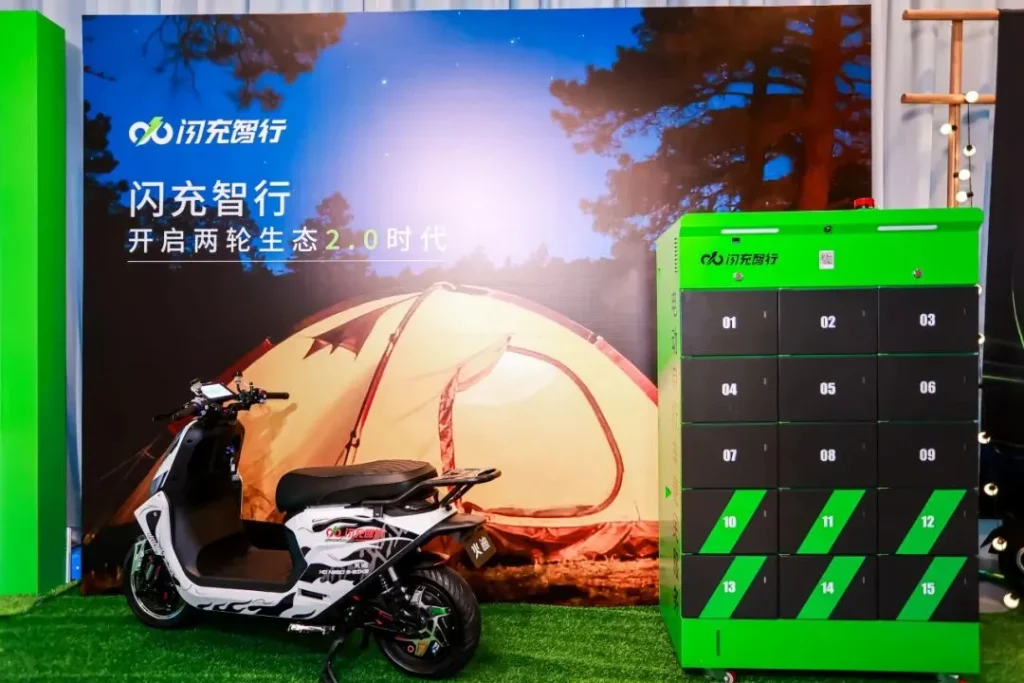
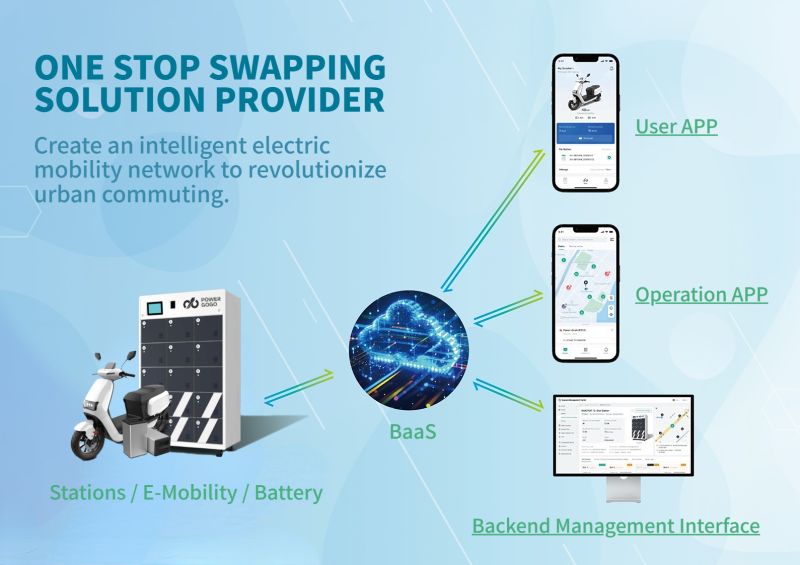
The system is a finely tuned ecosystem of hardware and software. It starts with the swappable batteries themselves—durable, smart lithium battery packs designed for thousands of swap cycles. These are housed and charged in a network of battery swap station cabinets. Each swap station acts as an intelligent hub, securely storing, charging, and monitoring every battery. The final piece is a cloud-based platform, the brain of the operation, which allows fleet managers to track every battery, manage the swap station network, and analyze usage data in real-time. This technology makes the entire battery replenishment process seamless.
Why is Traditional Charging a Flawed Model for an Electric Motorcycle Fleet?
For any business that relies on a fleet of electric motorcycle vehicles, the conventional "plug-and-wait" model is a significant operational drag. The primary issue is vehicle downtime. When an electric motorcycle battery takes 4-8 hours to charge, that motorcycle is effectively out of service. This forces operators to purchase a larger fleet to ensure enough vehicles are available, leading to higher capital expenditures and underutilized assets. The logistics of charging dozens of vehicles at once also requires significant physical space and a complex, expensive charging infrastructure, which is often impractical in dense urban environments.
Furthermore, managing the charge cycle for a large number of motorcycle batteries is a labor-intensive task, adding to operational costs. Decentralized charging also makes it nearly impossible to effectively monitor battery health and degradation across the fleet, leading to unexpected failures and inconsistent performance. This model is fraught with inefficiencies that directly impact the bottom line. Battery swapping, by contrast, eliminates these bottlenecks. The swap is so fast that the electric vehicle experiences virtually zero downtime, a crucial advantage for any commercial operation. The simple swap of a battery is the solution.
A Comprehensive Analysis of the Global Battery Swap Industry Market Size
The shift towards battery swapping isn't just a niche trend; it's a rapidly expanding global market. The global battery swapping market size was valued at approximately USD 1.7 billion in 2021 and is projected to reach over USD 15 billion by 2030, growing at a remarkable compound annual growth rate (CAGR) of over 25%. This explosive market growth is driven by several factors, including strong government support for electric vehicle adoption, technological advancements in battery technology, and the increasing demand for efficient mobility solutions in the logistics and urban mobility sectors.
The electric two-wheeler segment is a major contributor to this expansion, particularly in the Asia-Pacific region and increasingly across Africa. However, significant growth is also occurring in North America and Europe as last-mile delivery and shared mobility companies recognize the profound operational advantages. This market is poised for substantial growth, and the demand for battery swapping solutions is escalating. Companies are investing in battery swapping stations to build out the necessary infrastructure, and the battery swap industry is quickly becoming a cornerstone of the broader electric mobility ecosystem. The market is experiencing a surge, and this analysis of the battery sector shows a clear trajectory.
What are the Different Types of Electric Motorcycle Batteries to Consider?
When it comes to choosing an electric motorcycle battery, the chemistry inside the battery pack is critically important. The two dominant types of electric motorcycle batteries in the market today are Lithium-Ion (Li-ion) and Lithium Iron Phosphate (LFP). Traditional Li-ion chemistries, like Nickel Manganese Cobalt (NMC), are known for their high energy density, which means they can store more power in a smaller, lighter battery. This has made them a popular choice for many consumer-facing electric motorcycle models where weight is a primary concern.
However, for commercial fleets engaged in battery swapping, Lithium Iron Phosphate (LiFePO4) batteries present a more compelling case. While LFP batteries have a slightly lower energy density, they offer significant advantages in two crucial areas: safety and lifespan. LFP chemistry is more thermally stable, making the battery far less susceptible to overheating. They can also endure a much higher number of charge-discharge cycles—often 3 to 4 times more than their Li-ion counterparts. This durability makes them the pragmatic and cost-effective choice for a high-utilization swap environment. The choice of battery chemistry directly impacts the safety and longevity of your entire battery swapping solution.
How Does a Battery Swap Station Streamline Fleet Operations?
A battery swap station is more than just a cabinet to charge a battery; it's a sophisticated node in a smart energy network. For a fleet operator, the swap station transforms battery management from a chaotic, manual process into an automated, efficient one. The user experience is designed for speed: a rider pulls up, identifies themselves via an app, the swap station assigns them a fully charged battery, they perform the quick swap, and are back on their way. The returned battery is then placed into an empty slot where the swap station begins to safely charge it.
Behind the scenes, the swap station is constantly working. It intelligently manages the charging of every battery to optimize for battery health and longevity. It balances the electrical load, monitors temperatures, and communicates data back to the central platform. This centralized battery management allows operators to see the status of every battery and every swap station in their network. By placing these compact swap station units at strategic locations, you create a distributed energy infrastructure that keeps your electric motorcycle fleet powered and productive, eliminating the need for a large, centralized charging depot. The swap is the key.
Are Lithium Iron Phosphate Batteries the Superior Choice for a Swap System?
From my perspective as a battery manufacturer, the answer for commercial fleets is a resounding yes. While high energy density is appealing, the priorities for a fleet manager are safety, reliability, and total cost of ownership. This is where Lithium Iron Phosphate (LFP) excels. The primary advantage of lithium iron phosphate batteries is their inherent safety. Their chemical structure is more stable, making them highly resistant to thermal runaway, even if the battery is punctured or damaged. In an operation involving hundreds of batteries and constant swapping, this enhanced safety profile is non-negotiable.
The second major benefit is longevity. A high-quality LFP battery can handle thousands of charge cycles with minimal battery degradation. This long lifespan means a lower total cost of ownership, as the batteries will not need to be replaced as frequently. For a high-throughput battery swapping operation, where a single battery might be swapped and charged daily, this durability is essential. The combination of safety and a long cycle life makes Lithium Iron Phosphate the clear and responsible choice for electric motorcycle batteries within a commercial swap ecosystem. This specific battery technology is ideal for a battery swapping solution.
The Critical Role of the Battery Manufacturer in a Swapping Solution
The quality and reliability of your entire battery swapping system hinge on the quality of the battery itself. A battery swapping solution is only as strong as its weakest link, which is why partnering with an experienced battery manufacturer is paramount. A reputable manufacturer doesn't just assemble cells; they engineer a complete battery pack designed for the rigors of a high-frequency swap environment. This involves selecting automotive-grade lithium batteries, designing a robust and waterproof casing, and integrating a sophisticated Battery Management System (BMS).
The BMS is the onboard brain of every intelligent battery. It constantly monitors voltage, current, and temperature to ensure safe operation during both discharge (in the motorcycle) and charge (in the swap station). Advancements in battery management systems are key to maximizing battery life and performance. As a manufacturer, we at Power GoGo focus on this holistic approach. Our 14+ years of experience in lithium battery production ensures that every battery we produce, like our powerful 73.4V 58Ah Swappable Battery, is a reliable and safe energy source. The choice of battery manufacturer is a critical decision in deploying a successful battery swapping network. A great battery is the heart of every swap.
What Key Market Trends are Driving the Adoption of Electric Two-Wheelers?
The rapid adoption of electric two-wheelers is being propelled by powerful global market trends. The first is the explosive growth of urban mobility services, including ride-sharing and last-mile delivery. These businesses depend on efficient, low-cost vehicles, and electric motorcycle fleets fit the bill perfectly. As cities become more congested and environmentally conscious, these small-footprint electric vehicles are the ideal solution. Battery swapping makes these operations viable by eliminating charging downtime, a critical factor for profitability in the gig economy.
Secondly, supportive government policies and incentives are accelerating the transition away from internal combustion engines. This, combined with rising consumer awareness about sustainability, is boosting the adoption of electric vehicles across the board. Finally, financial innovations like "Battery as a Service" (BaaS) are making the adoption of electric motorcycles more accessible. BaaS models lower the upfront cost of the electric vehicle by separating the cost of the battery, turning it into a predictable operational expense. These converging market trends create a fertile ground for the expansion of the battery swapping for electric two-wheeler market.
How Do I Go About Choosing an Electric Motorcycle Battery Swapping Solution?
Choosing an electric motorcycle battery swapping solution is a major strategic decision. For a pragmatic operations director, the choice should be based on reliability, scalability, and long-term value, not just the initial price. The first step is to look for a comprehensive, one-stop solution. A partner who can provide the swappable batteries, a range of battery swap cabinet sizes, the cloud software, and even the electric vehicle itself, like our integrated EV-BL Scooter, ensures seamless integration and a single point of contact for support. This avoids the headaches of trying to piece together components from different suppliers.
Next, scrutinize the battery technology. Insist on a solution built around a safe and durable chemistry like Lithium Iron Phosphate. Verify that the battery and swap station have passed rigorous international safety certifications. Evaluate the robustness and security of the IoT platform. Can it integrate with your existing fleet management software? Finally, consider the experience and global reach of the battery manufacturer. A partner with a proven track record of deploying solutions worldwide demonstrates the expertise needed to support your business as it scales. The right battery swapping solution is a long-term partnership.
The Future is the Fast Swap: Why Battery Swapping is Inevitable
The trajectory of electric mobility is clear, but the path to mass adoption for commercial fleets is paved with efficiency. The model of charging an electric motorcycle for hours is an operational relic that cannot support the demands of modern logistics and urban mobility. The future belongs to the fast swap. Battery swapping directly solves the most significant pain points associated with commercial electric vehicle fleets: downtime, operational complexity, and high upfront battery costs.
As the charging infrastructure for battery swapping expands and the technology becomes more standardized, the advantages will become undeniable. The global battery market is shifting, and the adoption of battery swapping is accelerating because it is simply a better, faster, and more economical way to power a commercial electric motorcycle fleet. For businesses looking to gain a competitive edge in the green economy, embracing the battery swap is not just an option; it's an operational imperative. The future isn't about waiting for a charge; it's about the freedom of an instant swap. The swap is the future of the electric motorcycle battery.
Key Takeaways to Remember:
- Time is Money: Battery swapping reduces refueling time from hours to under a minute, maximizing vehicle uptime and revenue for your electric motorcycle fleet.
- Safety and Longevity: Lithium Iron Phosphate (LFP) batteries offer superior safety and a much longer lifespan, making them the ideal choice for electric fleet battery swapping.
- Market Growth is Explosive: The global battery swapping market size is expanding rapidly, driven by the growth in electric two-wheelers and logistics.
- The Ecosystem is Key: A successful solution requires a seamless integration of high-quality battery packs, smart swap station cabinets, and a robust cloud platform.
- Choose a Proven Partner: Select a battery manufacturer with deep experience, a comprehensive product line, and a proven global track record to ensure reliability and scalability.
- BaaS Lowers Costs: The "Battery as a Service" model reduces the initial vehicle cost and makes managing battery lifecycle expenses predictable, accelerating electric vehicle adoption.