As an operations director for a fleet of electric vehicles, you’re not just managing riders and routes; you’re managing energy. The battery is the heart of every electric motorcycle, and its performance, safety, and lifespan directly impact your bottom line. But not all lithium-ion batteries are created equal. The secret lies in the battery chemistries. Understanding the difference between LFP, NMC, and other li-ion technologies can feel like a chemistry lesson you never signed up for. However, this knowledge is your most powerful tool for optimizing your fleet and ensuring a profitable, long-term investment. This article will demystify the world of electric vehicle batteries, breaking down the various battery chemistries in simple terms. We’ll explore how the right battery technology can maximize performance, enhance safety, and pave the way for a sustainable future for your electric mobility business.
What is a Lithium-Ion Battery and Why is it the Standard?
Before we dive into the complex world of battery chemistries, let’s start with the basics. A lithium-ion battery is a type of rechargeable battery that has become the gold standard for everything from smartphones to high-performance electric vehicles. Why? The answer lies in its incredible energy density. Compared to older technologies like lead-acid batteries, li-ion batteries can store significantly more energy in a much smaller and lighter package. This is crucial for an electric motorcycle, where weight and size directly affect range, handling, and performance.
At its simplest, every li-ion battery cell has three main parts: a positive electrode (the cathode), a negative electrode (the anode), and a liquid electrolyte that separates them. When you charge the battery, lithium ions move from the cathode to the anode. When you use the battery to power your motorcycle’s motor, those ions travel back to the cathode, releasing energy in the process. This simple, efficient movement of the lithium ion is what makes this battery technology so powerful and is the foundation upon which the entire electric vehicle industry is built.
What is a Battery Cathode and Why Does it Matter So Much?
If the battery is the heart of an electric motorcycle, the cathode is the heart of the battery. The specific battery material used in the cathode is the single most important factor that determines a lithium-ion battery’s key characteristics: its energy density, power, safety, lifespan, cost, and performance. The anode is almost always made of graphite, but the recipe for the cathode material is where the real innovation—and variation—happens.
When we talk about different “battery chemistries,” we are almost always referring to the materials that make up the battery cathode. The structure of the cathode material dictates how many lithium ions it can hold (capacity) and how easily it can release them (power). A well-designed battery cathode allows for the smooth and efficient travel of lithium ions, while a poorly designed one can lead to degradation, overheating, and a shorter battery life. As a fleet owner, understanding the cathode is understanding the core of your investment. The choice of cathode material will define the daily performance and long-term value of every battery pack in your operation.
What Are the Main Lithium-Ion Battery Chemistries for Electric Vehicles?
While there are many variations, the world of electric vehicle batteries is dominated by a few key cathode chemistries. Each one is a specific blend of metals, primarily involving lithium, and each offers a unique set of trade-offs. As an expert who has been in the lithium battery manufacturing business for over 14 years, I’ve seen these technologies evolve firsthand.
Here’s a breakdown of the most common types:
- Lithium Iron Phosphate (LFP or LiFePO₄): This chemistry uses a phosphate-based cathode. LFP is renowned for its exceptional safety, long cycle life, and the use of more abundant and ethically sourced materials like iron instead of cobalt.
- Lithium Nickel Manganese Cobalt Oxide (NMC): This is one of the most popular chemistries for electric vehicles due to its very high energy density. The cathode is a layered structure of lithium, nickel, manganese, and cobalt. The ratio of these metals can be adjusted (e.g., NMC 811 means 8 parts nickel, 1 part manganese, 1 part cobalt) to fine-tune the battery’s properties.
- Lithium Cobalt Oxide (LCO): This chemistry has a very high energy density but is limited by a shorter lifespan and lower thermal stability. Its cathode is made of lithium and cobalt. While once popular in consumer electronics, its safety concerns and the high cost of cobalt make it less suitable for modern electric vehicles.
- Lithium Manganese Oxide (LMO): This type of battery uses manganese in the cathode, which is abundant and low-cost. It offers good safety and high power output but typically has a lower energy density and lifespan compared to NMC.
NMC vs. LFP: Which is the Best Battery Chemistry for Your Fleet?
For a commercial fleet operator, the choice almost always comes down to two main contenders: NMC and LFP. There is no single “best battery“; the right choice depends entirely on your operational needs and priorities. It’s a classic trade-off between energy and endurance.
| Feature |
NMC (Lithium Nickel Manganese Cobalt Oxide) |
LFP (Lithium Iron Phosphate) |
| Energy Density |
Very High |
Good |
| Lifespan (Cycles) |
Good (2,000 – 3,000) |
Excellent (4,000 – 6,000+) |
| Safety |
Good (but can be prone to thermal runaway) |
Excellent (very stable, low risk of fire) |
| Cost |
Higher (due to cobalt and nickel) |
Lower (uses abundant iron) |
| Performance |
Excellent power output, good in cold weather |
Good power, can be less efficient in cold |
Think of it this way:
An NMC battery is like a sprinter. It packs a lot of energy into a light package, providing a longer range for your electric motorcycle. This is ideal for applications where maximizing distance on a single charge is the top priority.
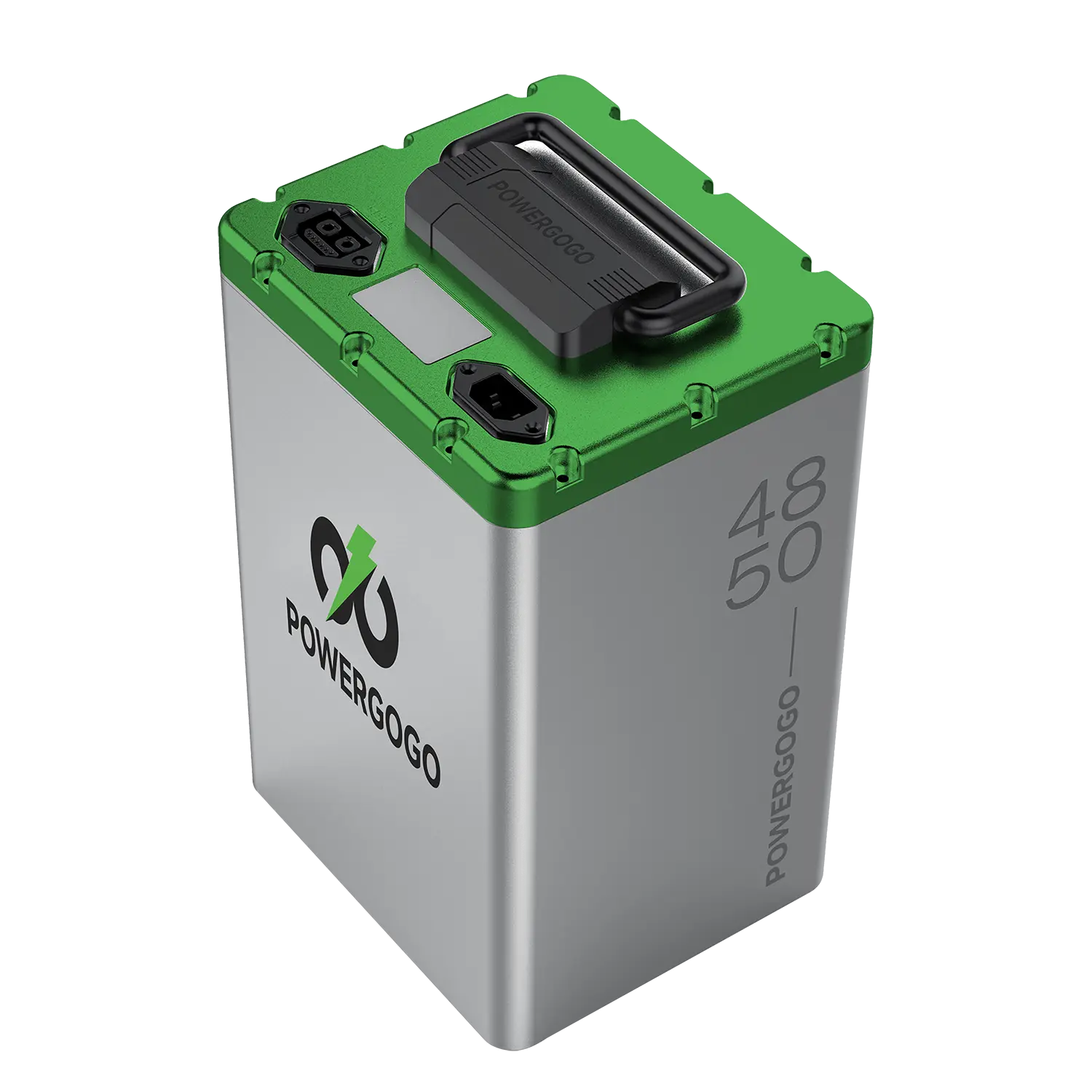
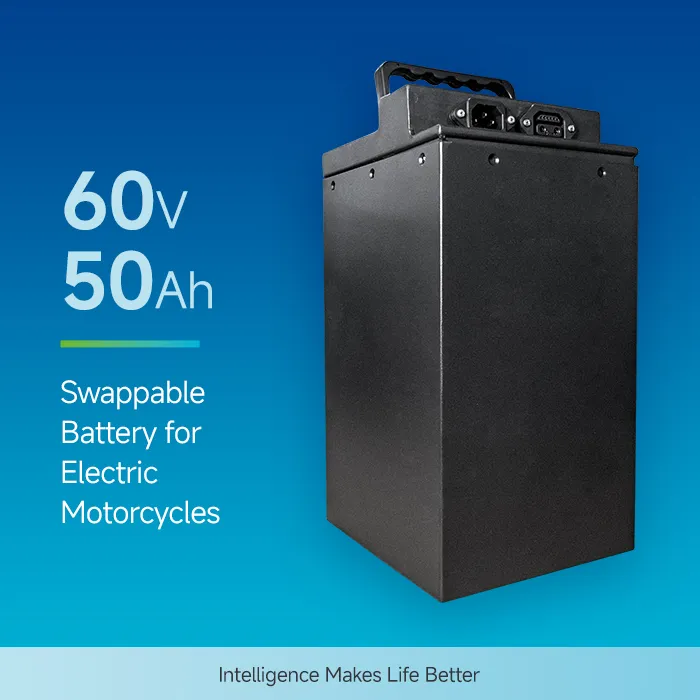
An LFP battery is like a marathon runner. It may not have the absolute highest energy density, but it is incredibly durable, safe, and can last for thousands of cycles. For a fleet that operates daily with frequent charging and discharging, like in a battery swapping model, the extreme lifespan and enhanced safety of LFP often make it the more economical and reliable choice over the long term. This is why we offer both options, such as our 51.38V 50Ah(NMC)Swappable Battery for range-focused needs and our ultra-durable 51.2 V 50Ah(LFP)Swappable Battery for high-use commercial fleets.
How Do Different Battery Chemistries Affect Lifespan and Safety?
The chemical structure of the cathode directly impacts how the battery ages and how it responds to stress. Lifespan isn’t measured in years, but in charge cycles. Every time you charge and discharge a battery, tiny structural changes occur in the cathode material. Over time, these changes reduce the battery’s ability to hold a charge. LFP’s crystalline structure is exceptionally stable, allowing lithium ions to move in and out with very little physical strain on the cathode. This is why it can endure so many cycles. The layered structure of an NMC cathode is slightly less robust, leading to a shorter cycle life.
Safety is paramount, and here again, the cathode chemistry is key. The primary safety concern with lithium-ion batteries is “thermal runaway,” a chain reaction where a battery overheats, potentially leading to fire. The chemical bonds in an LFP cathode are much stronger and more stable at high temperatures compared to an NMC or LCO cathode. This makes LFP batteries highly resistant to thermal runaway, even if the battery pack is punctured or suffers a short circuit. For a fleet of motorcycle batteries operating in demanding urban environments, this inherent safety is a massive advantage.
Are There Other Battery Technologies on the Horizon?
The world of battery research is incredibly active, and scientists are constantly working on the next generation of energy storage. The most talked-about advancement is solid-state batteries. These batteries replace the liquid electrolyte in a traditional li-ion battery with a solid material. In theory, this could lead to a battery with even higher energy density, faster charging times, and enhanced safety, as the solid electrolyte is not flammable.
However, while promising, solid-state battery technologies are still largely in the development phase and face significant manufacturing hurdles and high costs. For the foreseeable future, advancements in existing lithium-ion battery chemistries—like improving the energy density of LFP or reducing the cobalt in NMC—will continue to drive the EV industry. As a pragmatic business owner, it’s wise to focus on the proven, reliable, and cost-effective lithium-ion batteries that are available today, while keeping an eye on the innovations of tomorrow.
How Does a Battery Management System (BMS) Protect the Battery?
No matter how stable the battery chemistry, every modern battery pack relies on an electronic brain called a Battery Management System (BMS). This is a crucial circuit board that acts as the guardian of the battery. Its job is to monitor every aspect of the battery’s health and performance in real-time. The BMS protects the battery from dangerous conditions that could shorten its lifespan or cause a safety incident.
Key functions of a BMS include:
- Overcharge Protection: It stops the charging process when the battery is full.
- Over-Discharge Protection: It prevents the battery from being drained too low, which can cause permanent damage.
- Temperature Monitoring: It monitors the temperature of the battery cell and can reduce power or shut down the battery if it gets too hot or too cold.
- Cell Balancing: It ensures that all the individual cells within a battery pack are at the same voltage, which maximizes the pack’s overall capacity and lifespan.
A sophisticated BMS is essential for getting the most out of your lithium batteries. It’s the silent partner to the cathode chemistry, working 24/7 to ensure safety and longevity.
What Role Do Battery Chemistries Play in Battery Recycling?
As millions of electric vehicles hit the roads, the question of what to do with end-of-life batteries becomes critically important. Battery recycling is essential for recovering valuable materials like lithium, cobalt, and nickel, and for preventing environmental harm. The battery chemistry plays a significant role in the economics and complexity of the recycling process.
Lithium-ion batteries with cobalt and nickel in the cathode, like NMC, are currently more attractive for recyclers because these metals have a high market value. The recovered materials can be used to create a new battery cathode, reducing the need for new mining. LFP batteries, while more environmentally friendly in their initial production (no cobalt), present a different challenge. The primary value in an LFP battery is in the lithium itself, and the iron and phosphate have lower commodity values. However, as lithium-ion battery recycling processes improve, direct recycling—where the cathode material is recovered and rejuvenated rather than just broken down for its elements—is becoming more viable for LFP as well.
What are Circular Economy Strategies for EV Batteries?
A truly sustainable approach to electric vehicle batteries goes beyond just recycling. Circular economy strategies aim to maximize the value of a battery throughout its entire life. This is where a fleet of well-managed, high-quality batteries has a distinct advantage.
- First Life: In the electric motorcycle, the battery is used for its primary purpose. A robust battery with a long cycle life (like LFP) remains in this stage for many years.
- Second Life: When a battery degrades to about 70-80% of its original capacity, it may no longer be suitable for a vehicle but is perfect for less demanding applications. These end-of-life batteries can be repurposed for stationary energy storage, such as powering homes, businesses, or EV charging stations.
- Recycling: Only after a battery has completed its first and second lives is it sent for battery recycling. This ensures that the maximum economic and environmental value is extracted from every battery component.
This circular model reduces waste, conserves natural resources, and strengthens battery materials supply chains. For a fleet operator, partnering with a battery supplier who has a clear plan for the entire battery lifecycle adds significant long-term value.
How Do I Choose the Right Battery for My Electric Motorcycle Fleet?
As an operations director, choosing the right electric motorcycle battery comes down to analyzing your specific use case and prioritizing what matters most to your business. Don’t get lost in the hype of a single metric like the highest energy density. Instead, consider the total package.
Ask yourself these questions:
- How many miles do my vehicles travel per day? If your routes are long and opportunities to charge are limited, the higher energy density of an NMC battery might be necessary.
- How many charge cycles will each battery see per year? For high-utilization fleets with daily charging (or swapping), the extreme lifespan of an LFP battery will deliver a much lower total cost of ownership.
- What are my safety and insurance requirements? The superior thermal stability of LFP provides an extra margin of safety that can be crucial for operational resilience and may even lead to lower insurance premiums.
- What is my long-term budget? While an NMC battery pack might have a higher upfront cost, an LFP battery’s longer life could make it cheaper in the long run.
Ultimately, the best approach is to partner with a knowledgeable supplier who can provide a complete, integrated solution. At Power GoGo, we don’t just sell a battery; we provide a system that includes the optimal batteries for electric fleet needs, the swapping infrastructure, and the intelligent software to manage it all. We help you analyze your needs to select the right battery chemistry for the job, ensuring your investment is safe, reliable, and profitable for years to come.
Key Takeaways to Remember:
- The Cathode is Key: The material used in a battery’s cathode (e.g., LFP, NMC) is the primary factor that determines its performance, safety, and lifespan.
- NMC for Range, LFP for Life: NMC batteries offer higher energy density for longer range, while LFP batteries provide exceptional safety and a much longer cycle life, making them ideal for high-use commercial fleets.
- Safety is Chemical: LFP’s chemical structure is inherently more stable and resistant to overheating than most other lithium-ion battery chemistries, providing a critical safety advantage.
- BMS is the Brain: A high-quality Battery Management System (BMS) is essential to protect the battery, ensuring its longevity and safe operation regardless of its chemistry.
- Think Circular: The future of EV batteries involves a circular economy of second-life use and recycling, which maximizes value and minimizes environmental impact.
- Your Use Case Determines the Best Battery: Analyze your fleet’s daily mileage, usage patterns, and safety requirements to choose the battery chemistry that delivers the best return on investment.