If you manage a fleet of electric delivery vehicles or rental scooters, you already know that time is money. An idle vehicle sitting at a plug is a vehicle that isn’t generating revenue. Upgrading to higher voltage systems is becoming the gold standard for fleet operators who demand power, speed, and reliability. This guide will walk you through everything you need to know about heavy-duty power setups. You will learn why a higher voltage system is essential for your bottom line, how it transforms your operations, and why modern energy solutions are replacing the old way of doing things. Read on to discover how to keep your fleet moving faster and longer.
What essential battery features define a 72v battery for commercial operations?
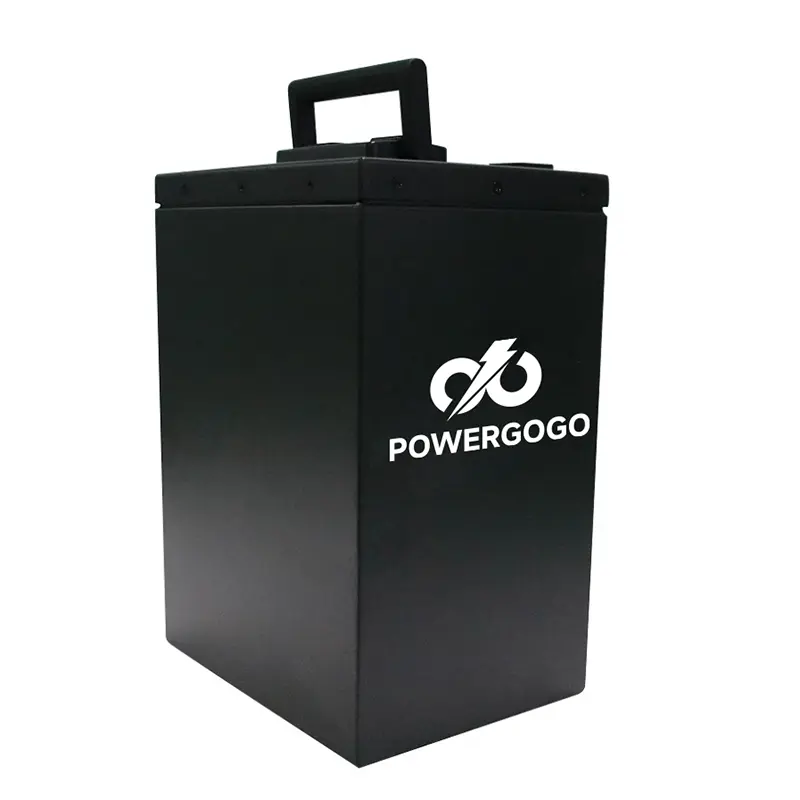
When you step up to a high-voltage system, you are entering the realm of serious power. A commercial-grade 72v battery is built differently than the power source you might find in a casual consumer product. One of the most critical battery features is the internal structure. These units are designed with low internal resistance. This means power flows freely to the motor, preventing overheating when your delivery riders demand sudden bursts of speed in busy city traffic.
Another defining trait is the inclusion of a smart bms (Battery Management System). This digital brain is the unsung hero of any high-capacity power source. It constantly monitors temperature, voltage, and current. If a driver tries to push the system too hard, the system will automatically step in to prevent damage. This level of safety is non-negotiable for an ev fleet where reliability is directly tied to profitability.
Finally, you must look at the chemistry. While there are many options, a durable lifepo4 battery or an advanced lithium-ion setup is what you want powering modern electric vehicles. These chemistries offer incredible energy density. They allow a bulky vehicle to carry enough energy for an entire shift without weighing it down unnecessarily. The right lithium battery ensures your fleet can operate efficiently day in and day out.
How does upgrading from a 48v system to a 72v golf cart setup improve your fleet?
Many older fleets, especially in the leisure or light utility sectors, still rely on a standard 48v system. The upgrade to a 72v architecture is like trading in a compact car for a heavy-duty truck. When you move a golf cart or a utility vehicle up to this voltage, you immediately unlock massive torque. This is especially helpful if your carts are hauling heavy loads across large resorts or warehouse floors.
In the past, fleet owners relied on heavy, outdated lead-acid cells. Upgrading to a modern lithium battery pack completely changes the vehicle’s dynamics. The vehicle loses hundreds of pounds in dead weight. Because the voltage is higher, the system draws fewer amps to achieve the same speed. This lower amp draw keeps the cables and the motor much cooler, reducing long-term maintenance costs.
When you manage a fleet, durability is key. A 72v system simply works less hard to do the same job as a lower voltage setup. If you are operating a heavy-duty cargo bike or a large cart, the extra voltage gives you the punch needed to climb steep inclines without straining the electrical components. This transition is a smart investment that pays for itself through reduced mechanical wear and tear.
What is the actual real-world range and exactly how far can a 72v battery go on a single charge?
The most common question operations managers ask is about distance. Exactly how far can a 72v system travel? Under ideal, laboratory conditions, manufacturers might quote massive numbers. However, the actual real-world range is what matters when a driver is ten miles away from the depot. Generally speaking, a high-quality 72v lithium battery can deliver outstanding distance, but it requires a bit of math to understand fully.
To find your true range, you need to look at the capacity rating, measured in amp-hours (ah). A larger ah number means a larger fuel tank. If you want to know your estimated run time, you can divide the total watt-hours by the watts your motor consumes per mile. In practical terms, a well-configured fleet vehicle can easily reach up to 50 miles on a single charge, provided it isn’t carrying a massive payload up a mountain.
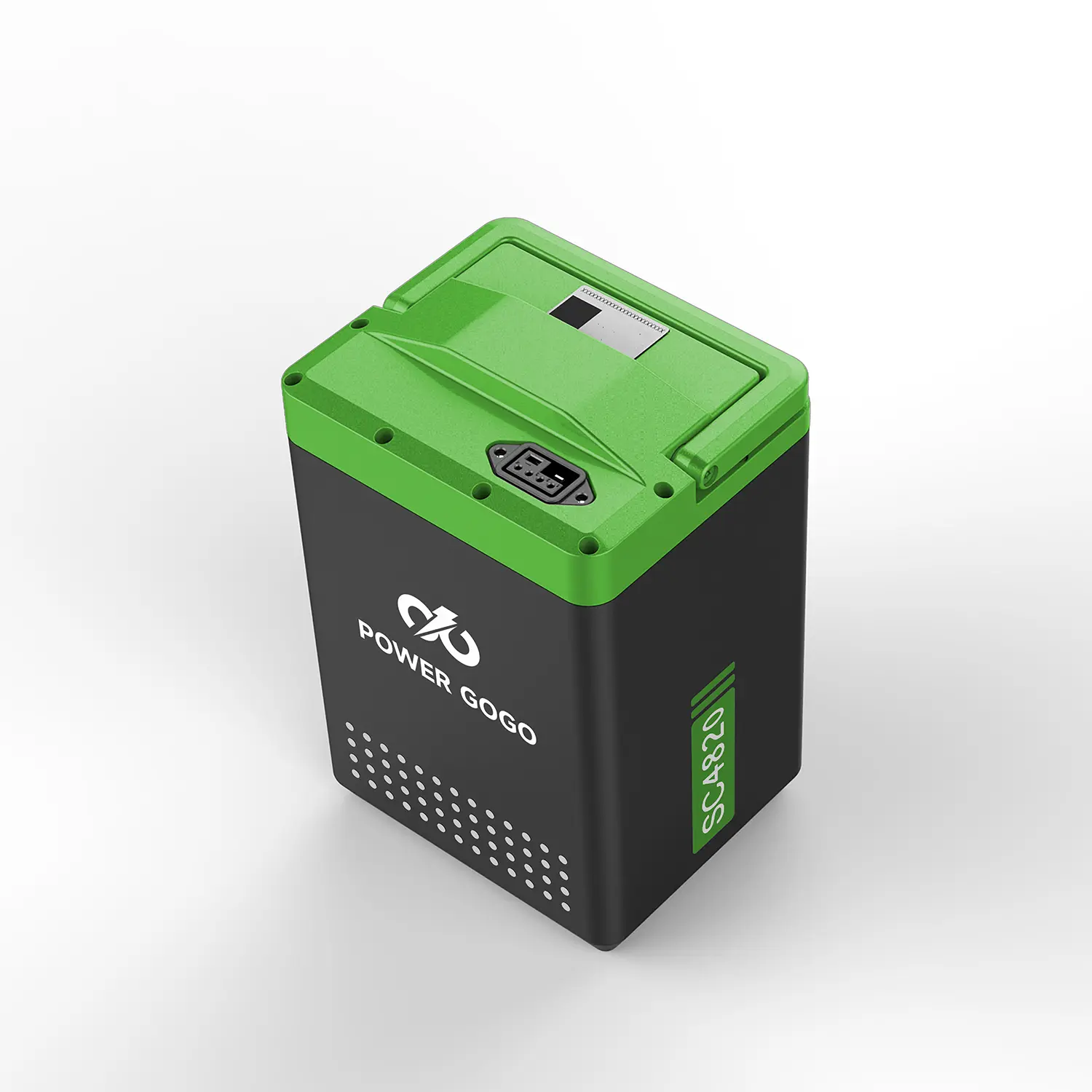
For example, a robust 72V40Ah Swappable Battery offers immense energy storage. When paired with an efficient controller, it maximizes the miles per watt-hour. You will get more distance out of this pack than a smaller one, ensuring your riders don’t suffer from range anxiety in the middle of their shift.
Which factors significantly affect the range of a 72V e-bike battery or scooter pack?
Even with a massive power source, certain variables will heavily affect your daily mileage. The most obvious factor is how the rider handles the throttle. Riding at full throttle all day will drain the energy rapidly. A rider who maintains a steady cruise will travel significantly further than one who constantly stops and has to heavily accelerate at every traffic light.
Terrain plays a massive role in the range of a 72v system. If your delivery route involves handling steep terrain or hitting a steep trail, the motor has to work overtime. The harder the motor works, the more power it pulls from the ebike battery or scooter deck. This heavy demand causes what is known as voltage sag, where the available power drops temporarily under load, reducing overall efficiency.
Finally, do not ignore basic mechanical maintenance. Something as simple as maintaining proper tire pressure can drastically improve how far your vehicles travel. Under-inflated tires create rolling resistance, meaning the electric drive system has to consume much energy just to keep the vehicle moving forward. Keeping your fleet mechanically sound ensures your battery isn’t wasting power fighting against poor maintenance.
How do you maximize the lifespan of a 72v battery and avoid early degradation?
When you invest heavily in energy tech, you want to guarantee longevity. To maximize battery performance and extend the overall lifespan, you must understand how lithium cells behave. The golden rule is to manage the depth of discharge. You should avoid running it nearly empty regularly. Deeply discharging the cells constantly will drastically reduce the total number of times you can use the pack.
Instead, encourage a charging habits protocol that favors frequent top-offs. Let’s assume your driver takes a lunch break; that is the perfect time to plug in or swap the unit. Keeping the dod (Depth of Discharge) shallow means the cells undergo less chemical stress. This strategy ensures you get every single cycle out of your investment before it needs replacing.
Temperature control is also vital to extend battery life. Extreme heat is the enemy of any standard lithium ion battery. If your fleet operates in a hot climate, ensure the power units have time to cool down before they are plugged into a high-speed charger. Pushing a massive current into a hot pack is a guaranteed way to permanently damage the internal chemistry.
When choosing a 72V system, should you pick a 20Ah pack or go for a higher capacity?
When choosing a 72v setup, the amp-hour rating is a critical decision point. A basic 20Ah rating is very common and serves well for short, predictable routes. If you are operating a lightweight vehicle that only does a few miles a day, a 20ah unit is lightweight, quick to fill up, and cost-effective. It gives you the voltage punch without the heavyweight of a massive block.
However, if your business relies on a long-distance route or heavy cargo hauling, you must look higher. A high-capacity system, like a 72V30Ah Swappable Battery, gives your riders the fuel tank they need to stay on the road for extended shifts. The higher the ah, the less often the driver has to stop. This extra capacity helps you go farther and complete more deliveries per day.
You must balance the weight against the need for distance. A massive pack adds weight to the vehicle, which can slightly reduce top speed and handling. But for commercial electric vehicles, the ability to run a full eight-hour shift without stopping usually outweighs the slight increase in vehicle weight.
Why is selecting the right charger crucial for your lithium battery health?
You can buy the most expensive, high-performance power source in the world, but if you pair it with a cheap, unverified plug, you are asking for trouble. The charger acts as the gatekeeper for your energy system. It must perfectly match the volt requirements of your specific chemistry. Using an incorrect voltage rating can severely shorten the usable life of your equipment or even pose a severe fire risk.
A quality unit will communicate with the internal management board to protect the cells. It will push power rapidly when the pack is empty, and then shift to a slower, controlled trickle as it reaches 100%. This staged approach prevents overcharging, which is the leading cause of premature failure in lithium tech.
If you operate a fleet, you might find that constantly plugging in cables is a massive operational bottleneck. Relying on dozens of individual wall plugs leads to tripped breakers and messy warehouses. This is why many fleet operators are abandoning the traditional wall charger entirely in favor of automated, centralized charging infrastructure.
What tip can an operations manager use to test the real-world limits of their fleet?
If you want one pro tip to truly understand your fleet’s capability, you must conduct a controlled, real-world stress test. Don’t rely on the brochure numbers. Take one of your vehicles, fully power it up, and load it with the maximum cargo weight your drivers typically carry. Send a rider out on a route that mimics your most challenging terrain.
Have the rider monitor the dashboard display closely. Tell them to watch for the moment they see the voltage drop significantly during acceleration. This phenomenon indicates that the system is reaching its continuous output limit. If the voltage sags deeply and stays low, the vehicle is struggling.
By tracking exactly how many miles the vehicle completes before it needs a recharge, you establish a baseline. You can then instruct your team on best practices. For example, if driving slower on the return trip saves 15% of the power, that becomes a mandatory fleet policy. Data gathered from the actual road is far more valuable than theoretical math.
How does battery swapping compare to traditional charging for a 72v EV?
In the commercial sector, the traditional method of plugging an ev into a wall is rapidly becoming obsolete. The downtime is simply too costly. When a rider has to wait four hours for a complete recharge, you are losing four hours of potential revenue. This is where the concept of swapping changes the entire business model.
Instead of waiting, a rider pulls up to a centralized hub, like our 15 Slots Battery Swapping Cabinet. They remove their depleted unit, slide it into an empty slot, and immediately retrieve a fully prepared one. The entire process takes less than sixty seconds. The vehicle is instantly back on the road, operating at maximum efficiency.
Swapping also centralizes your energy management. The smart cabinet ensures every single charge is perfectly calibrated and safe. It monitors the health of the entire inventory, removing the burden of maintenance from your drivers. For an operation that requires continuous uptime, this turn-key solution eliminates range anxiety and supercharges your daily logistics.
What should you ask a seller before buying a high-power battery kit?
If you are considering choosing a 72v setup or buying a conversion kit for an existing fleet, you must rigorously vet your supplier. Never just buy the cheapest option online. Ask your seller to prove the origin of their internal cells. Are they automotive-grade? Do they have certifications like CE or UL?
You also need to ask about compatibility. A high-voltage upgrade isn’t just a plug-and-play scenario for older hardware. Ask if the new power block is compatible with your current controller and motor. If it isn’t, the supplier should offer a complete, integrated solution. Attempting a diy retrofit without matching components is incredibly risky and can destroy your vehicle’s electronics.
Finally, ask about their after-sales support and ecosystem. Do they offer a connected management app? Can a certified engineer assist you if a unit fails? Are their products tested for rugged environments, like the dirt tracks popular in a surron setup, or the rainy streets of an urban delivery zone? A reputable partner will provide a complete ecosystem, not just a box of wires.