When the lights go out, life grinds to a halt. As someone who has spent over 14 years in the high-stakes world of lithium battery manufacturing, I, Alex Taylor, understand the critical importance of reliable power. My company, Power GoGo, develops robust battery swapping solutions for logistics and delivery fleets across the globe, from Indonesia to the USA. The principles of uptime, efficiency, and safety that keep those businesses running are the exact same ones you should consider for your home. This article will break down the long-standing debate: battery vs. generator. We’ll explore the technology, costs, and real-world performance of each to help you find the right backup power solution to protect your family and home during any outage.
What Is a Home Backup Generator and How Does It Work?
A home backup generator has long been the traditional choice for homeowners seeking a safety net against a power outage. At its core, a generator is a combustion engine—much like the one in your car—that burns a fuel source to create electricity. When the power grid fails, the generator kicks in, either automatically via a transfer switch (for a standby generator) or manually (for a portable generator). They are powerful machines capable of running for extended periods, provided you have a steady supply of fuel.
There are two main types of generator for home use. The first is the portable generator, which is smaller, less expensive, and can be moved around. These are good for powering a few essential appliances but are often noisy and require you to run extension cords into your home. The second, more robust option is the standby generator or home generator. This unit is permanently installed outside your home, much like an AC unit, and is wired directly into your electrical panel. It can provide power to your entire home automatically within seconds of an outage.
The fuel is the lifeblood of any generator for backup power. These machines typically run on gasoline, propane, or natural gas. A gas generator is common for portable models, while larger standby units often tap into a home’s existing natural gas line or a large propane tank. The key takeaway is that a generator actively creates power on demand by burning fuel. This makes them a powerful backup option, but as we’ll see, that reliance on fuel comes with its own set of challenges regarding cost, maintenance, and environmental impact. The simple fact that generators need fuel to run is a major point of difference when comparing it to a modern battery.
What About a Home Battery Backup System?
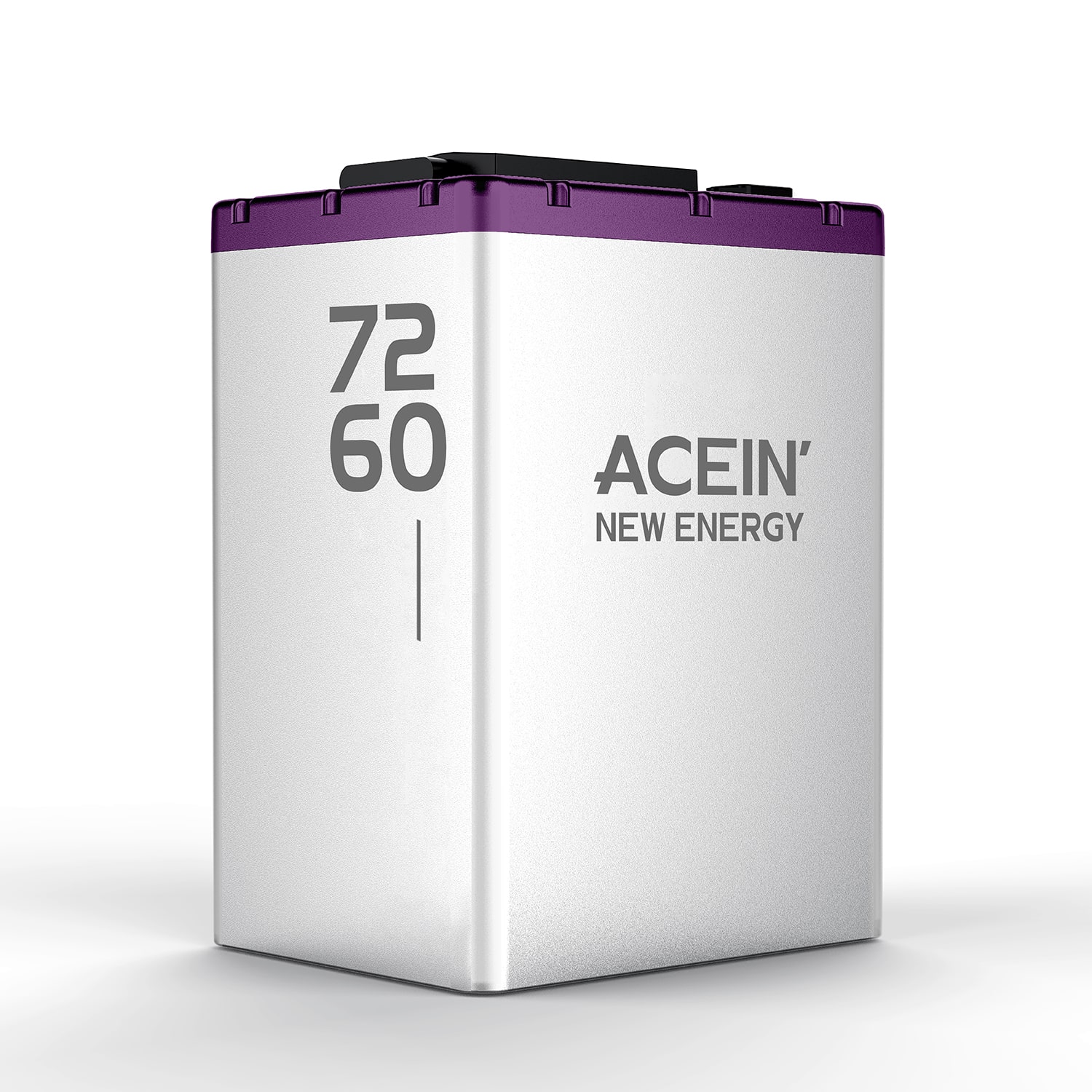
A home battery backup system represents a modern, high-tech approach to ensuring an uninterrupted power supply. Unlike a generator, which creates power, a battery system stores it for later use. Think of it as a giant, rechargeable power bank for your entire house. The most common and effective way to use a home battery backup is by pairing it with a solar panel system. Throughout the day, your solar panel installation harnesses energy from the sun. This energy can power your home directly, and any excess is used to charge your home batteries.
When a power outage occurs, the battery backup system instantly and silently takes over. The transition is so seamless you often won’t even notice the flicker of a light. This stored energy can then power your essential appliances or even your whole home, depending on the size of your battery array. This ability to store the electricity generated by your solar panels gives you true energy independence. You’re no longer just producing clean energy; you’re storing it to use whenever you need it most, whether that’s at night or during a grid failure.
This technology is a game-changer. The core of these systems, the lithium-ion battery, is something I’ve worked with for over a decade. The same principles of high-density storage and intelligent management that power an entire fleet of electric delivery scooters are scaled up to create a reliable backup power source for your home. A quality battery backup from a reputable manufacturer offers a quiet, clean, and virtually maintenance-free power solution. The initial investment may be higher than a portable generator, but it’s a fundamentally different and more integrated approach to home energy.
Generator vs. Solar Battery: How Do They Compare Head-to-Head?
Choosing between a generator and a solar battery backup system can feel complex. To simplify, let’s break down their core differences across the factors that matter most to a homeowner. This generator vs battery comparison will help clarify which backup power option aligns best with your priorities.
| Feature |
Home Backup Generator |
Solar Battery Backup System |
| Upfront Cost |
Lower (especially for portable models) |
Higher |
| Running Cost |
High (ongoing fuel and maintenance) |
Very Low (charges from solar or grid) |
| Fuel Source |
Gasoline, propane, natural gas |
Solar energy, power grid |
| Noise Level |
Loud (typically 60-90 decibels) |
Virtually Silent |
| Maintenance |
Regular (oil changes, fuel checks) |
Minimal (occasional software updates) |
| Environmental Impact |
High (emissions, carbon footprint) |
Low to None (uses clean energy) |
| Response Time |
Seconds to minutes |
Instantaneous (milliseconds) |
| Integration |
Separate system |
Integrates with solar panel system |
| Incentives |
Few to none |
Eligible for solar tax credits |
This table clearly illustrates the trade-offs. A generator offers a lower point of entry and can provide immense power as long as you can fuel it. However, the ongoing costs, noise, and maintenance are significant drawbacks. On the other hand, a home battery backup system is a larger upfront investment but operates silently, cleanly, and with minimal running costs, especially when paired with solar panels. This makes the battery backup vs a generator debate a question of upfront capital versus long-term value and convenience.
Can Solar Batteries Really Power Your Whole Home During an Outage?
This is one of the most common questions I hear, and the answer is a resounding yes—with the right planning. The ability of solar batteries to provide backup power for your entire home depends entirely on two things: the capacity of your battery storage and your home’s energy consumption. You wouldn’t expect a small portable generator to run your central air conditioning, and the same logic applies to a battery. It’s all about proper sizing.
During a consultation for a solar panels with battery storage system, an installer will analyze your past electricity bills to understand your average and peak usage. Based on this, they can recommend a battery system that meets your goals.
- Essential Loads: A smaller battery (around 10 kWh) can be configured to power during an outage only your critical appliances—think the refrigerator, some lights, your Wi-Fi router, and medical devices. This is the most common and cost-effective setup.
- Whole Home Backup: For homeowners who want to maintain their full lifestyle during a power outage, a larger battery or multiple stacked solar batteries (20-30 kWh or more) can be installed. This can handle larger loads like air conditioning, electric stoves, and well pumps, providing a true whole home backup experience.
The magic happens when you have a solar panel system recharging the battery each day. Even during a multi-day outage, your solar panels generate power during daylight hours, running your home and replenishing your battery. This creates a self-sustaining loop that a generator, which is entirely dependent on a finite fuel supply, simply cannot match. Many solar systems can keep a home powered indefinitely as long as the sun shines.
How Much Maintenance Does a Backup Generator Require Compared to a Battery?
The difference in maintenance is one of the most significant lifestyle factors when choosing your backup power for your home. For a business owner like my typical customer, Mark Davis, uptime and reliability are everything. He can’t afford equipment to fail due to a missed maintenance schedule. The same principle applies to your home’s emergency power source.
A backup generator is a complex piece of mechanical equipment that generators require regular attention to ensure it will work when needed. This typically includes:
- Weekly or Bi-Weekly Self-Tests: Most standby generators run for about 15-20 minutes each week to keep the engine lubricated and parts moving.
- Annual Professional Service: This involves changing the oil, spark plugs, and air filters, much like servicing a car.
- Fuel Management: For a gas generator, you must keep the fuel fresh with stabilizers or risk carburetor damage. For propane tanks, you must ensure they are kept full.
In stark contrast, a home battery backup system is solid-state technology with very few moving parts. Its maintenance schedule is incredibly light. The system’s smart software handles the battery health and performance automatically. You don’t need oil changes, fuel runs, or noisy weekly tests. The most you’ll likely ever have to do is ensure its software is up to date, which often happens automatically over Wi-Fi. This "set it and forget it" nature is a massive advantage for the modern homeowner. When the power goes out, you can be confident your battery backup is ready without having to worry if you remembered its last service check.
What Are the True Long-Term Costs of a Generator and a Battery System?
When my clients evaluate industrial equipment, they look beyond the sticker price to the Total Cost of Ownership (TCO). The same financial discipline should apply when choosing the right backup power. While a generator often has a lower purchase price, its TCO can quickly surpass that of a battery backup system over the life of the unit.
Let’s break down the ongoing costs of a traditional generator. First and foremost is fuel. During an extended power outage, a home backup generator can burn through 15-30 gallons of propane or gasoline per day. At several dollars per gallon, this can add up to hundreds of dollars for a single multi-day event. Then there are the annual maintenance costs, which can range from $150 to $500 for professional servicing. Over a 15-20 year lifespan, these costs for the generator can easily exceed its initial purchase price.
Now consider the solar battery backup. Once installed, its running costs are virtually zero. It charges for free from the sun. There are no fuel costs and minimal maintenance expenses. Furthermore, a solar plus battery system can actively save you money. Many utility companies offer "Time-of-Use" billing, where electricity is more expensive during peak hours. Your smart battery system can be programmed to power your home from the battery during these expensive periods and recharge from the grid (or sun) when rates are cheap, lowering your monthly bill. When you add in the federal solar tax credit, which can cover up to 30% of the cost of installing solar panels and the battery, the financial case for a solar backup becomes incredibly compelling. A battery isn’t just an expense; it’s an investment in your home’s energy infrastructure.
Is a Solar Battery a More Sustainable Power Solution for Your Home?
In today’s world, the environmental impact of our choices is more important than ever. When we look at solar batteries vs generators, the difference is night and day. A generator is, by its very nature, a source of pollution. Generators burn fossil fuels, releasing carbon dioxide, nitrogen oxides, and particulate matter into the atmosphere. They are also a source of noise pollution, which can be a significant nuisance to you and your neighbors, especially during a stressful outage.
A solar battery, particularly when paired with solar panels, is a cornerstone of a clean energy home. It produces zero onsite emissions. The solar energy it stores is 100% clean and renewable. By installing a solar panels with battery system, you are reducing your household’s carbon footprint and lessening your reliance on fossil-fuel-powered utility plants. This aligns with a global shift towards sustainability and energy independence.
This isn’t just about feeling good; it’s about practical benefits. As environmental regulations become stricter, there may be future restrictions on the use of a residential generator in some areas. A battery system, however, is a future-proof technology. It positions your home to be part of the solution, capable of integrating with smart grids and even participating in "virtual power plant" programs that can further reduce energy costs. In the battery vs generator debate, the battery is unequivocally the greener and more forward-thinking power source for your home.
Can You Pair a Battery System with a Generator for Ultimate Reliability?
For those who want the absolute best of both worlds, it is possible to create a hybrid system that combines batteries and generators. This setup offers layered protection and is ideal for people in areas with extremely frequent or long-lasting power outages, or for those with critical medical equipment that absolutely must have uninterrupted power.
Here’s how it typically works: The solar battery backup system serves as the first line of defense. When a power outage strikes, the battery kicks in instantly, providing silent, clean power to the home. For the majority of short-term outages, the generator may never even need to start. The battery handles the load, and if it’s a sunny day, the solar panel array begins recharging it immediately.
If the outage continues for several days and there’s not enough sun to fully recharge the battery, the system can be configured to automatically start the backup generator. The generator‘s role then shifts; instead of powering the entire house directly, its primary job is to efficiently recharge the battery. Once the battery is back to a healthy charge level, the generator shuts off, and the home continues to run on quiet battery power. This is far more efficient than running a large generator 24/7, saving significant amounts on fuel and reducing noise and emissions. This dual approach with a battery and generator provides ultimate peace of mind.
How Do You Choose the Right Backup Power for Your Specific Needs?
Choosing the right backup power is a personal decision that depends on your budget, priorities, and lifestyle. There is no single "best" answer, only the best answer for you. As an engineer at heart, I advise my clients to make decisions based on clear criteria. Here are the key questions you should ask yourself to choose the right backup power solution:
- What is Your Budget? If upfront cost is your absolute biggest hurdle, a portable generator is the most affordable entry point. If you can invest in a long-term asset that provides daily value, a solar with battery storage system is the superior financial choice over its lifetime.
- What Do You Need to Power? Make a list of your essential appliances. Do you just need to keep the fridge cold and phones charged, or do you want to run your entire home as if nothing happened? Your answer will determine the size of the generator or battery you need. Answering the question of what you need to power is the most critical first step.
- How Important are Noise and Convenience? If you live in a dense neighborhood or simply cannot tolerate the roar of an engine, a silent battery backup is the clear winner. Likewise, if you don’t want the hassle of maintenance and refueling, a battery offers a far more convenient ownership experience. Unlike generators, a battery is a silent partner.
- Do You Value Energy Independence and Sustainability? If reducing your carbon footprint and gaining independence from the utility power grid are important to you, a solar battery backup system is the only option that achieves these goals. A generator, even one that runs on natural gas, still tethers you to a fossil fuel supply chain.
- How Frequent and Long are Your Power Outages? If you experience frequent, short outages, a battery is perfect. For those in rural areas who might face week-long outages after a major storm, a large standby generator or a hybrid solar backup generator system might provide greater peace of mind.
Why Is a Quality Battery System a Future-Proof Investment?
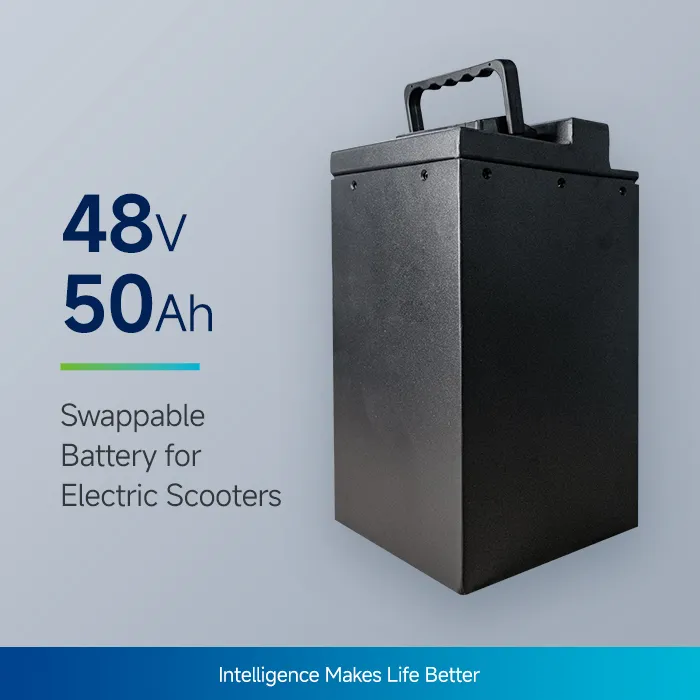
As we look to the future, the case for a battery as the premier home backup power solution becomes even stronger. The technology is rapidly evolving, with batteries becoming more powerful, longer-lasting, and more affordable every year. The technology in our advanced 48V50Ah Iron Lithium Swappable Battery uses LFP chemistry for safety and longevity—the same type of technology that is becoming the standard for home battery backup systems.
Investing in a battery system today is not just about preparing for the next outage; it’s about preparing your home for the future of energy. This power system integrates seamlessly into a smarter, more resilient energy grid. It allows you to maximize the investment you’ve made in solar panel technology and protects your family from rising and volatile electricity costs. While a generator is a single-task machine that only provides value during a power outage, a battery works for you every single day. It’s a dynamic asset that makes your home more efficient, resilient, and sustainable.
From my perspective in the industry, the debate of battery backup vs. a generator is tilting decisively. While a generator will always be a viable tool for certain applications, the quiet, clean, smart, and economically savvy solar battery is the clear choice for the modern home. It’s not just a backup appliance; it’s an upgrade to your entire home’s energy infrastructure, offering security and peace of mind for years to come.
Key Takeaways to Remember
- Generators Create Power: A generator burns fuel (gas, propane, natural gas) to generate electricity on demand. They are powerful but noisy, require frequent maintenance, and have ongoing fuel costs.
- Batteries Store Power: A home battery backup stores energy, typically from solar panels or the grid, and provides silent, instantaneous power during an outage with almost no maintenance.
- Cost is More Than the Price Tag: While a generator may be cheaper upfront, a solar battery can save you money on electricity bills and qualifies for tax credits, often making it the better long-term financial investment.
- It’s a Lifestyle Choice: Your tolerance for noise, maintenance, and your commitment to sustainability are key factors. A battery offers a convenient "set it and forget it" experience, while a generator requires more hands-on attention.
- Sizing is Everything: Whether you choose a battery or a generator, ensure it is properly sized to meet your specific needs, whether that’s powering a few essentials or your whole home.
- The Future is Electric: A battery system is a forward-thinking investment that integrates with renewable energy and prepares your home for the future of smart grid technology.