If you run a delivery business, you know that time is money. Every minute your drivers spend waiting for power is a minute they aren’t making deliveries. This downtime is a massive drain on your profits. That is exactly why battery swapping could be the ultimate game-changer for your daily operations. This article breaks down the incredible advantages of battery swapping and explains why this swapping technology is rapidly replacing traditional ev charging. Read on to discover how a smart battery swap ecosystem provides a true solution to range anxiety, drastically cuts operational costs, and drives the electric mobility revolution for commercial fleets.
Why is EV Battery Swapping the Best Solution to Range Anxiety?
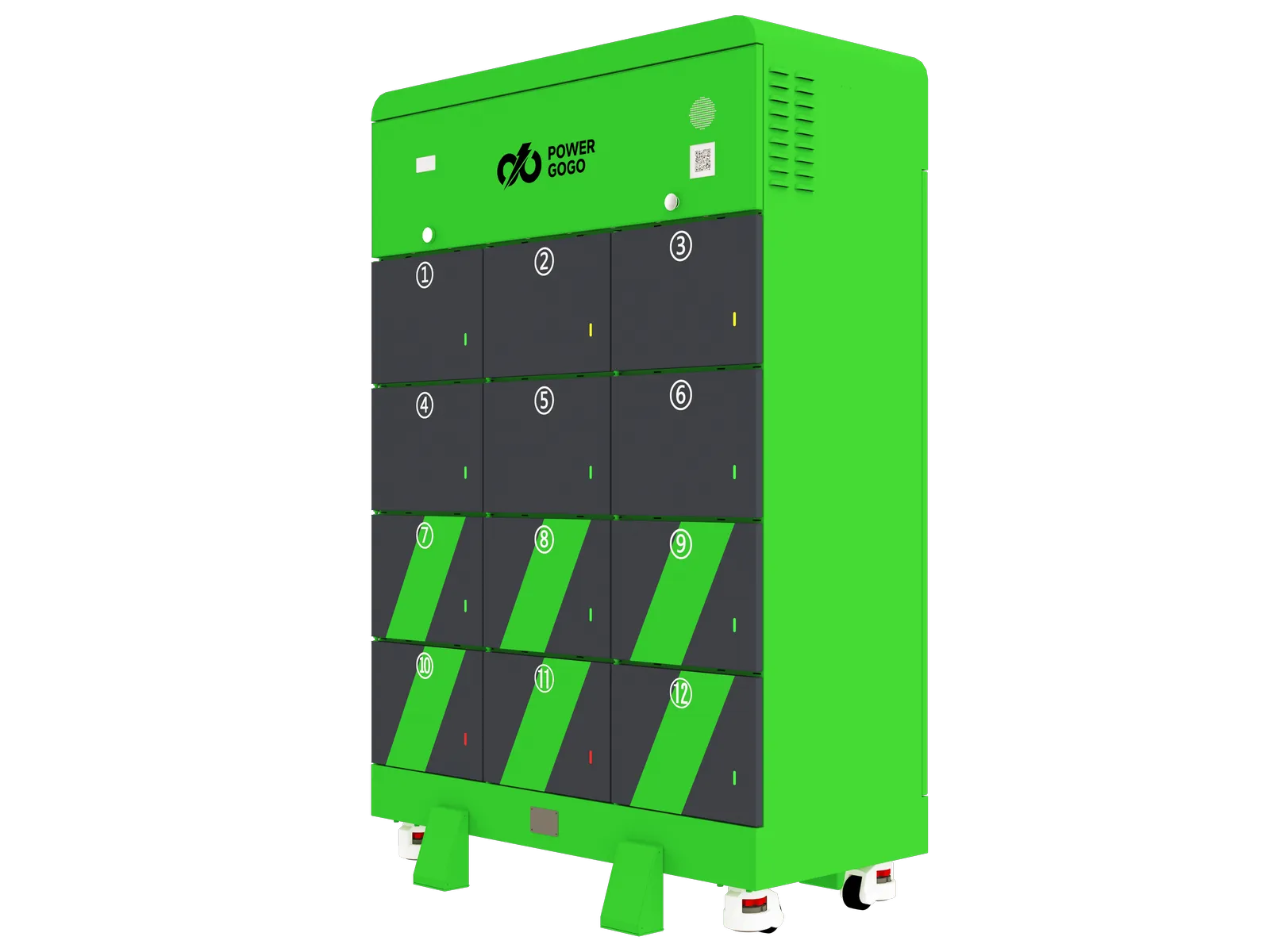
Let’s talk about the biggest fear most drivers face: running out of juice. When a driver sees their dashboard gauge drop, panic sets in. This fear holds back the adoption of electric vehicles across many industries. But a battery swap instantly kills this worry. Instead of hunting for a plug, your driver simply pulls up to a smart cabinet.
They remove the battery from the vehicle. Then, they exchange their depleted battery for a fully charged one. It is that simple. Changing a car battery in five minutes sounds fast, but for an e-scooter, a swap can take literally ten seconds.
By having a reliable network where a driver can quickly grab a battery for a fully charged run, you completely erase the stress. Your team can focus on their route, knowing that fresh power is always just around the corner. Battery swapping solves the distance problem once and for all.
How Does a Battery Swap Station Compare to Traditional EV Charging?
To understand the shift, we must look at the old way of doing things. A standard ev charging station forces you to wait. Conventional charging is slow. Even with a fast charging setup, you are looking at significant charging time. This downtime hurts your bottom line.
A battery swap station, however, works entirely differently. The cabinet itself acts as the charging station, slowly and safely filling up multiple batteries while they sit inside. When a driver arrives, the charging time is zero because the battery is already full. You skip the long charging times entirely.
This is a massive leap over traditional charging. Traditional ev charging ties the vehicle to a wall. A swap station frees the vehicle to keep moving. For urban fleets, this difference in speed makes the swap method clearly superior to waiting around for an ev charging cable to do its job.
What Are the Core Advantages of Battery Swapping for an Electric Vehicle Fleet?
When you manage a fleet, efficiency is everything. One of the top advantages of battery swapping is how it transforms your workflow. Your riders do not waste hours parked. They simply perform a swap and get back to work.
Furthermore, battery swapping separates the vehicle from its power source. This means your initial purchase price drops. You buy the scooter, but you subscribe to the energy. This completely removes the massive cost of the battery from your upfront expenses. It separates battery ownership from the chassis, creating a much smarter budget.
Here is a quick breakdown of why the swap model wins:
- Zero Downtime: Vehicles stay on the road.
- Lower Costs: You don’t buy the battery outright.
- Easy Tracking: Smart cabinets track all energy use.
- Safety: Cabinets prevent overheating during a charge.
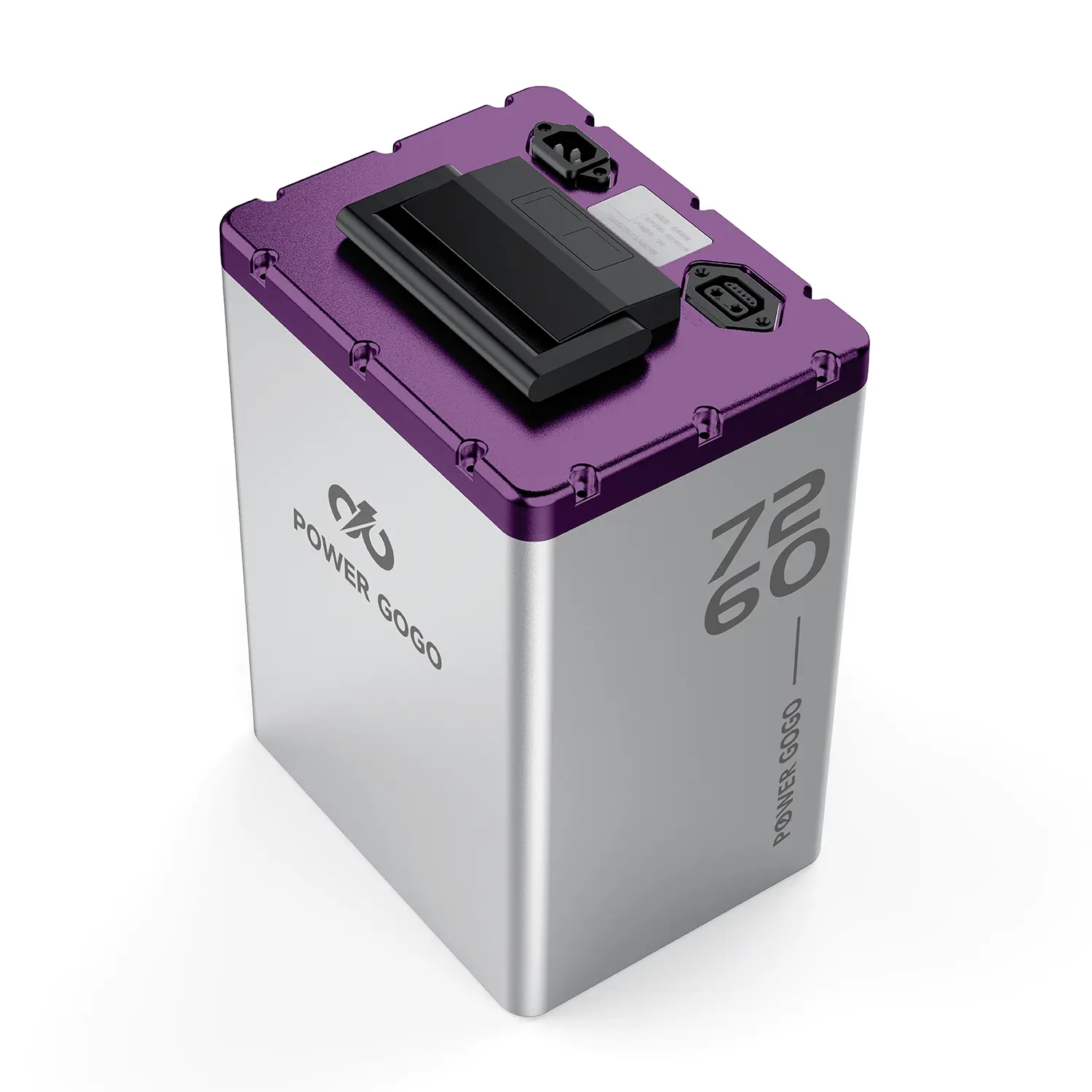
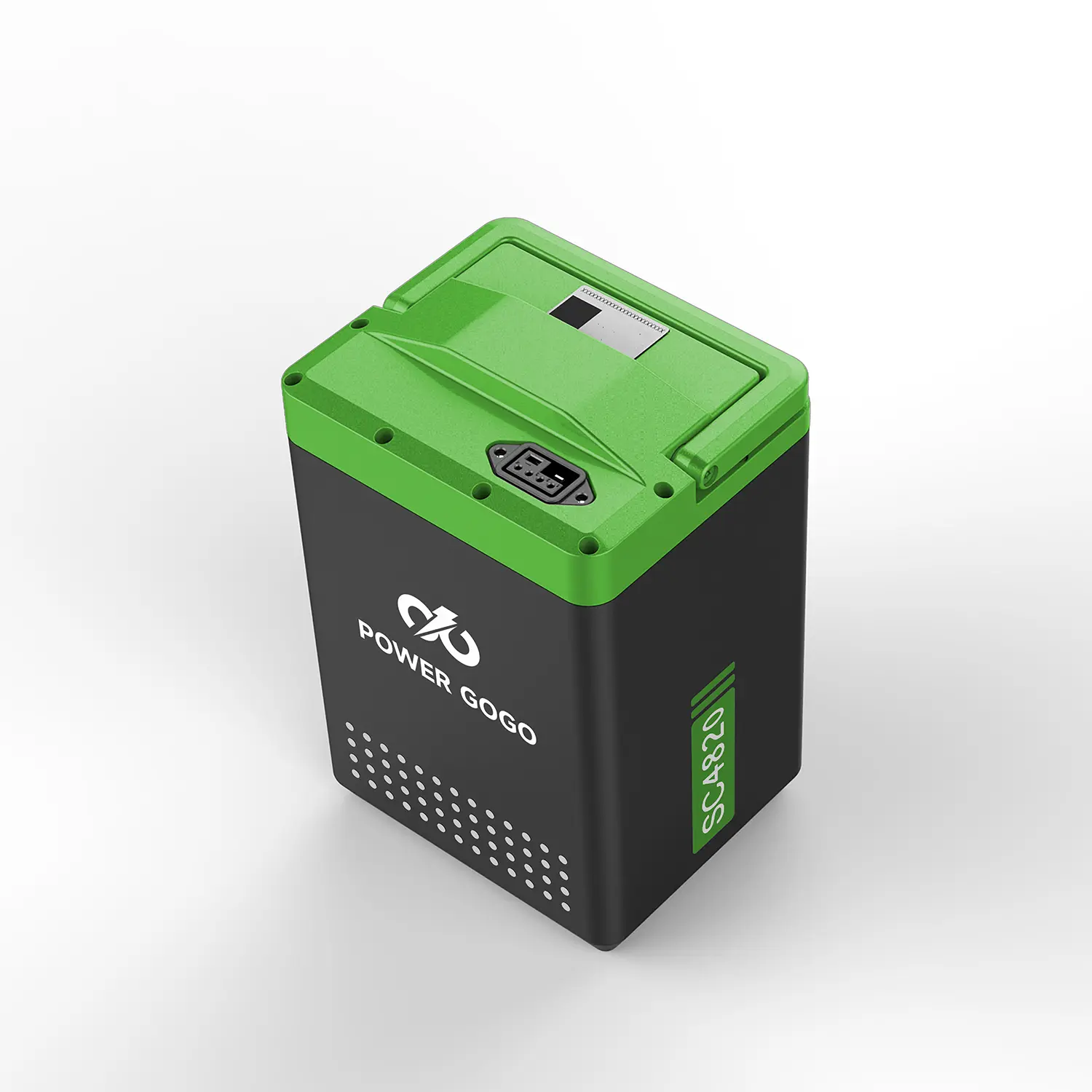
By utilizing a durable 72V40Ah Swappable Battery, your riders get maximum range, and your fleet achieves maximum ROI.
Can Modular Batteries and Swapping Technology Speed Up EV Adoption?
Yes, they absolutely can. The magic lies in the design. Modular batteries mean you don’t need a unique power pack for every single bike. Instead, you use a uniform battery pack that fits into different vehicle models.
This kind of modular approach is a huge win for the ev industry. It means a food delivery guy and a tourist renting a scooter can use the exact same swappable batteries. Because the hardware is shared, the overall ev adoption rate climbs faster. People trust systems that are widely available and easy to use.
When you invest in swapping technology, you remove the technical hurdles for the end user. They do not need to understand voltages or plug types. They just know how to slide a modular block into a slot. This ease of use pushes electric mobility right into the mainstream.
Will Standardization of Swappable Batteries Boost the EV Industry?
Standardization is the secret weapon for global growth. Think about USB cables. Because everyone agreed on a standard, you can charge almost any phone anywhere. The same logic applies to ev batteries. A standardized battery shape allows different manufacturers to build bikes that share the same power network.
If every brand uses a different battery design, the market fractures. But when we push for standard swappable units, the whole ev infrastructure gets stronger. This creates seamless compatibility across the board.
When a standardized battery becomes the norm, costs drop for everyone. We see incredible advancements in battery chemistry, but the physical box stays the same size. This guarantees that your fleet will not become obsolete when new technology arrives.
How Do Automakers Like Nio Influence the Battery Swap Ecosystem?
We cannot ignore the big players. An automaker like Nio has done wonders for public awareness. Nio proved that swapping works for heavy, premium passenger cars. They showed the world that a battery swap ecosystem is not just science fiction; it is a viable business reality today.
However, while an automaker focuses on cars, the real volume happens in micro-mobility. The lessons learned from automated swapping in cars apply directly to our smart cabinets for scooters. The goal is the same: swap a depleted unit for a fully charged one without any friction.
These big companies validate the concept. Their success drives the adoption of battery swapping across all vehicle types. As more people see car swaps working smoothly, they naturally expect the same convenience for smaller electric vehicle fleets.
Does Ev Battery Swapping Extend Overall Battery Life?
This is a crucial point that many people miss. Yes, a battery swap station actually extends the overall battery lifespan. When a user plugs into a fast charger on the street, the rapid heat generation can slowly deplete the cell’s long-term health. Frequent fast charging causes stress.
But in a swap network, the cabinet uses advanced battery management. It provides a slow, controlled, and cool charge. This gentle approach dramatically reduces battery degradation. It is a highly sustainable battery model.
Because the provider handles the battery maintenance, the overall battery pool remains incredibly healthy. You never have to worry about a dead cell ruining your day. The system ensures that every swap delivers a safe, tested, and reliable battery.
How Does Ev Battery Swap Technology Improve Business Models?
Old business models forced companies to buy depreciating assets. You bought a scooter, and two years later, you had to buy a new battery because the old one died. That model is broken. Ev battery swap technology fixes this by turning power into a service.
Battery swapping offers predictability. You pay a fixed subscription fee for the energy your riders use. You no longer carry the risk of a broken battery. For fleet operators, this predictability is pure gold. It makes financial planning much easier.
This centralized charging solution also creates new revenue streams. You can partner with local shops to host your cabinets, bringing them foot traffic while you expand your network. Managing a fleet of our reliable EV-WF Scooters becomes a software logistics game, rather than a hardware repair nightmare.
What Does the Future of Electric Mobility Look Like With Battery Swapping Services?
The future of electric transport is going to look a lot like the past, but cleaner. Think about how gas stations work. You drive in, fill up, and leave. You don’t wait two hours. Battery swapping services replicate this exact, familiar behavior for the electric vehicle era.
We will rely less on massive, expensive high-powered charging stations that drain the city grid during peak hours. Instead, decentralized swap cabinets will sit on every corner in dense urban areas. They will store energy when power is cheap and dispense it when riders need it.
This shift will wipe out the need for slow charging cords dangling from apartment windows. Ev users will simply grab power on the go. This level of convenience is what will ultimately drive the total adoption of evs globally.
How Do Modular Battery Swapping Technologies Drive Faster Adoption of Battery Swapping?
To scale up fast, the technology must be flexible. Modular battery swapping allows a network to grow organically. You do not need a massive parking lot to build a station. You can place a sleek 15-slot battery swapping cabinet right outside a convenience store.
This flexibility makes battery exchange incredibly accessible. When riders see a swap station everywhere they go, their confidence in the system skyrockets. The visual presence of these cabinets directly fuels the adoption rate.
The global battery market is waking up to this reality. Ev battery swapping is no longer a niche idea. It is the most logical way to distribute power for light vehicles. Ev owners demand speed, and nothing delivers faster charging than simply bypassing the charger altogether.
Summary
- Eliminates Range Anxiety: A quick battery swap completely removes the fear of a dead battery, keeping your drivers confident and on the move.
- Zero Wait Times: Battery swapping bypasses the delays of traditional ev charging, ensuring your fleet never sits idle at a charging station.
- Lowers Capital Costs: Battery swapping separates the cost of the vehicle from the energy, meaning you never have to buy a costly new battery.
- Improves Lifespan: Smart cabinets utilize advanced battery management to prevent battery degradation, promoting a sustainable battery ecosystem.
- Highly Scalable: Using modular batteries and standardized designs allows your business to expand its ev infrastructure effortlessly across urban areas.
- Enhances Safety: Centralized charging inside a swap station prevents the fire hazards associated with messy, slow charging setups in warehouses.
- Proven Success: With automakers driving the ev industry forward, battery swapping services are set to become the standard charging solution worldwide.