Finding the best battery to use in a mobility scooter: AGM, lithium-ion batteries, and sealed lead acid replacement
May-29-2026
Share:
“Downtime is the silent killer of fleet profitability. Upgrading your power source is the fastest way to increase your daily revenue.” – Alex Taylor, Fleet Operations Expert
When fleet managers struggle with vehicle uptime, the culprit is almost always power. You want the best battery to use, but the market is flooded with confusing jargon. Are you supposed to buy a standard acid cell or an AGM pack? Whether you manage a fleet of rental units or handle personal logistics, finding the right replacement is critical. You might ask if a seal on a sealed lead-acid unit is truly safe. You might wonder what to use in a mobility context. More specifically, you need to know what to use in a mobility scooter to ensure ultimate uptime. This article provides the strategic, ROI-focused advice you need. We cut through the noise, explaining exactly how to maintain a maintenance-free fleet and keep your operations running smoothly.
What power source is typically used in a mobility scooter and an electric cart?
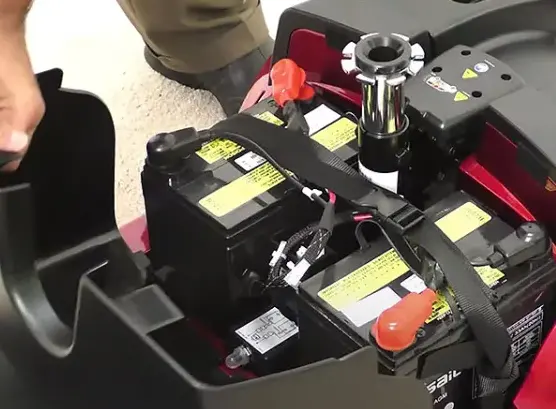
Most entry-level mobility fleets rely on a classic type of battery. The standard sealed lead-acid configuration is popular due to its low upfront cost and decent safety profile. You will commonly see a 12v setup powering a standard unit or a larger utility cart. These packs are designed to be entirely closed off, meaning you never have to add water like you would with an old-school flood cell.
When dealing with operations, consistency is your best friend. A standard 12-volt system is highly reliable. It handles daily operations smoothly. However, as an operator, you must understand that the application dictates the chemistry. For light indoor use, an SLA works fine. But for outdoor terrains, you need something tougher.
If you are sourcing power for a rugged motorized vehicle or a standard transport unit, consider how often you plan to cycle it. The battery acts as the heartbeat of the machine.
How do 12V 22Ah and 12V 35Ah scooter batteries compare for the go-go and elite traveller?
Size and capacity matter immensely when managing a rental fleet. When operators swap packs on a lightweight travel model or a premium mobility scooter, they usually look at two popular sizes. The smaller option is highly compact and ideal for quick, short-distance trips. It keeps the vehicle lightweight and easy to maneuver in tight urban spaces.
Conversely, the larger pack offers significantly more range. If your customer rents a unit for an all-day theme park visit, that extra capacity prevents the dreaded midday stall. Interestingly, a standard 35ah sealed lead-acid cell shares a specific footprint. It is physically larger than the smaller version, meaning you must check the box dimension before attempting to swap them out.
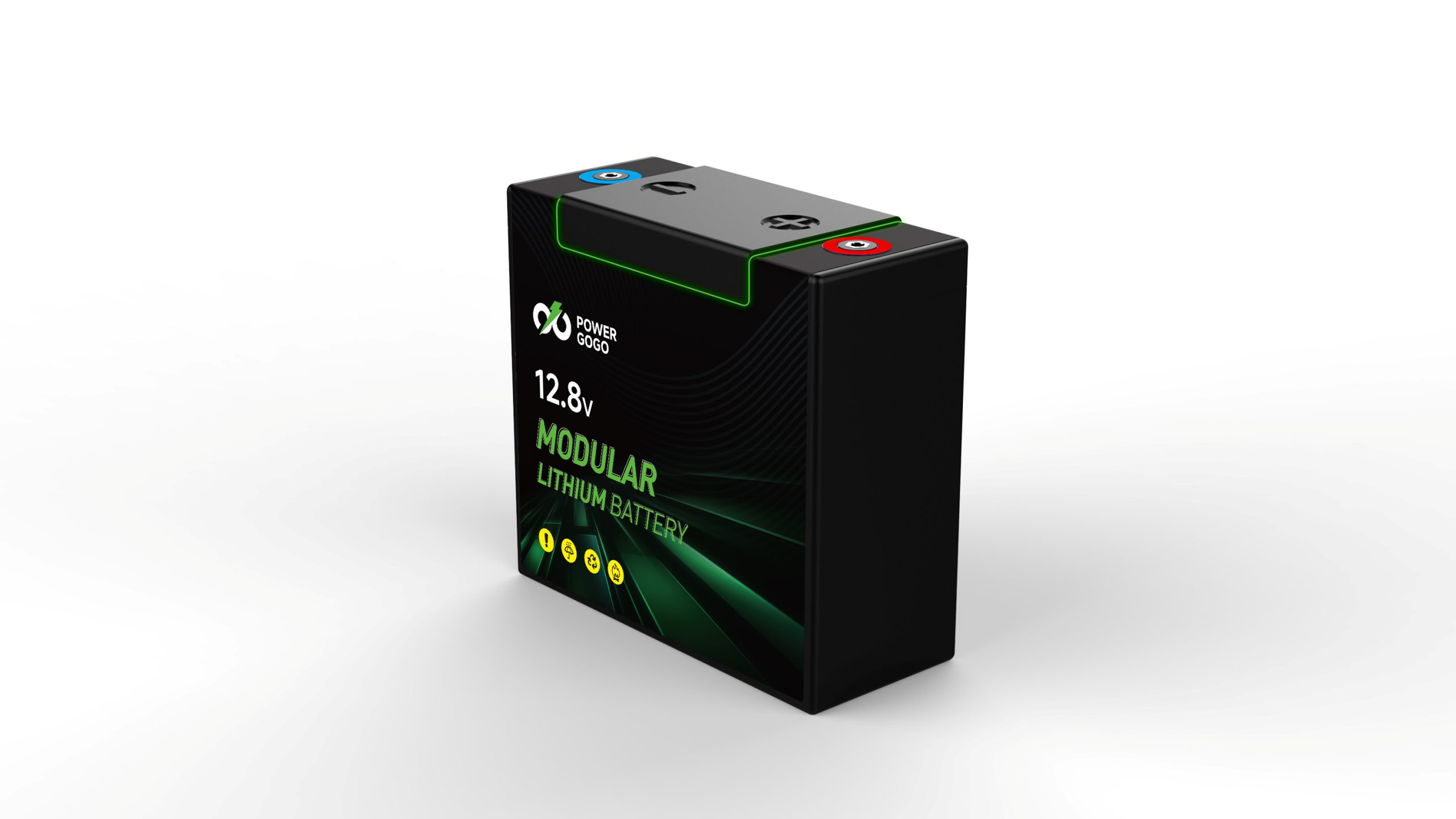
For fleet management, standardizing your inventory is smart. By keeping fresh units on standby, you eliminate waiting times entirely. Our 12V20Ah Swappable Battery offers an excellent plug-and-play solution.
Is a lithium upgrade compatible with heavy-duty mobility devices like the Pride Mobility Victory?
The short answer is yes. Moving to advanced chemistry is highly recommended for intensive commercial use. Heavy-duty units require robust energy delivery. Switching to modern cells offers a massive advantage because it is significantly lighter than a traditional lead-acid battery. This weight reduction directly improves handling and efficiency.
Are these new systems able to work with older plugs? Usually, no. When you transition to a lithium iron phosphate pack (also known as lifepo4), you must use a specific charger designed for that chemistry. Using an old standard charger can severely damage the new cells.
The benefits, however, far outweigh the initial setup costs. Advanced cells deliver consistent power throughout the discharge cycle. This means the top speed of the vehicle doesn’t drop as the power level decreases.
When should you replace your standard u1, group u1, or 22nf acid battery?
Timing your replacement schedule prevents unexpected breakdowns. A typical u1 battery used in medical or transport equipment lasts roughly 12 to 18 months under heavy daily use. You should swap the units when you notice the runtime dropping by 20% or if the unit struggles to climb inclines.
The most common footprint in the industry is this specific size. For heavier units, the larger NF format is standard. If you notice swelling, a foul odor, or if the unit refuses to take a charge, those are clear signs you need new batteries. Do not wait until the vehicle is completely dead.
Implementing a proactive maintenance routine saves money. Fleet operators should test the capacity of their basic cells quarterly. It is far cheaper to swap out a weak unit in the workshop than to dispatch a recovery team to rescue a stranded customer.
SLA vs. Lithium: Which 12V 55Ah and 12V 75Ah sla batteries offer the best voltage and amp hours?
Capacity dictates how far a vehicle can travel. Heavy bariatric chairs or outdoor scooters typically require massive power reserves, often utilizing the 55Ah or even the 75Ah configuration.
In a direct comparison, traditional options offer excellent affordability upfront. However, you can only safely deplete them to about 50% of their total capacity without causing permanent damage. In contrast, advanced chemistry packs can be discharged down to 10% or even 0% safely. This deep cycling capability means a high-tier pack will run much longer in the real world than standard sla.
Furthermore, the internal resistance in advanced chemistry is much lower. This allows the system to deliver higher peak power, ensuring the delivery remains stable when tackling steep hills or carrying heavy loads.
Feature
SLA Configuration
Advanced Chemistry
Upfront Cost
Low
Higher
Usable Capacity
50%
90-100%
Weight
Heavy
lighter
Cycle Life
300-500
2000-5000
Can a 50Ah battery outlast standard AGM or gel batteries on a single charge?
Absolutely. The 50-amp hour unit featuring advanced chemistry will easily outpace comparable gel batteries on a single charge. The secret lies in the energy density and the discharge curve. While an absorbent glass mat cell provides good burst power, its output drops steadily as it drains.
Lithium batteries hold their power flat until they are almost entirely depleted. This translates to full power and sustained speed throughout the entire trip. Additionally, they boast a significantly longer lifespan, often achieving 2000 to 5000 cycles compared to the mere 300 to 500 cycles of standard agm.
If you manage a high-utilization fleet, the math is simple. The initial investment might be higher, but you buy fewer replacements over five years.
How do you properly install a new group 24 battery and connect the terminal?
When handling this large unit, safety and precision are paramount. These are heavy units, often requiring a mechanical lift to position them correctly. First, ensure the vehicle is turned off and the key is removed.
You must always connect the correct cable to the connection points. Connect the positive (red) cable first, followed by the negative (black) cable. Ensure the connections are tight to prevent arc faults and power loss. A loose connection will cause excessive heat and potential failure.
One great advantage of closed designs is that they will not leak corrosive fluids if tipped during the setup process. Always take time to securely strap the unit down. A loose power source will suffer from severe vibration damage while driving over uneven sidewalks or cobblestones, dramatically shortening its life.
Why are 12V mobility scooter batteries vital for your power chair fleet?
Your business relies on movement. A stalled power chair means a frustrated user and lost revenue. In an industry focused on accessibility, a premium energy source isn’t a luxury; it is a necessity.
The battery you choose dictates your total cost of ownership. Cheap units fail early and often. When you invest in high-quality packs, you secure predictable performance. This allows you to forecast your maintenance budget accurately.
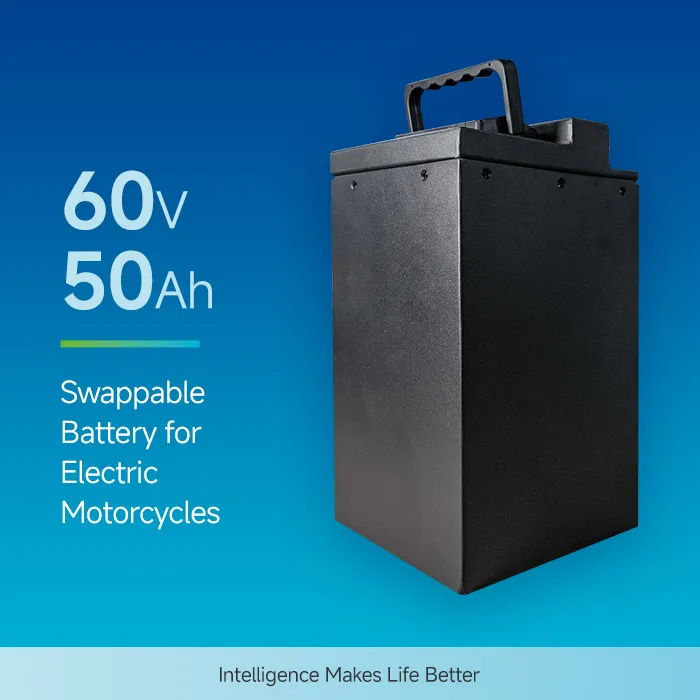
For businesses prioritizing fast turnarounds, look into swappable ecosystem solutions. Using a standardized format like our 12V40Ah Swappable Battery enables operations teams to instantly swap a dead unit for a fresh one. This approach fundamentally transforms how a fleet operates, maximizing efficiency and eliminating downtime.
What are the differences between SLA and lithium for batteries used in mobility scooters?
Winter downtime is a major concern for seasonal rental businesses. How you handle storage impacts how your fleet performs in the spring. A standard lead-acid battery has a high self-discharge rate. If left sitting in a wheelchair for three months without a trickle charger, it will likely sulfate and die.
Golf carts and similar vehicles utilized in these applications face this identical issue. Advanced chemistry like lifepo4, however, has a remarkably low self-discharge rate. You can store these units for months, and they will lose only a fraction of their charge.
Before storing any equipment, ensure the cells are charged to about 50-80% capacity. Disconnect them from the vehicle to prevent parasitic drain from onboard electronics. This simple step preserves cell health and ensures the fleet is ready to roll when the busy season begins. For maximum infrastructure control, integrating a 15 Slolts Battery Swapping Cabinet ensures every pack is perfectly maintained year-round.
How do you choose the perfect 35Ah battery to secure reliability and independence?
Ultimately, making the right choice comes down to balancing cost with operational demands. For an individual, a reliable power source guarantees personal independence. For a fleet manager, reliability means profitability.
A solid warranty protects your investment. Always read the fine print. Depending on the battery manufacturer, you may be covered for up to three years. Your discovery phase should involve analyzing your daily route lengths, average payload weights, and charging habits.
If your users rarely travel more than a few miles, a traditional agm might suffice. But if you demand a long-lasting, zero-maintenance solution that thrives under pressure, upgrading to a modern, lighter chemistry is the smartest business decision you can make.
Summary
Understand Your Chemistry: Choose between SLA for low upfront cost or advanced chemistry for high cycle life and deep discharge capabilities.
Size Matters: Ensure the physical footprint of the unit fits your specific vehicle compartment perfectly.
Match the Charger: Never mix chemistry types with incorrect chargers; this guarantees failure and voids warranties.
Plan for Storage: Disconnect and properly store your packs during off-seasons to prevent severe capacity loss.
Prioritize Uptime: For commercial fleets, utilizing hot-swappable infrastructure drastically reduces downtime and boosts overall ROI.
We use cookies to ensure that we give you the best experience on our website. If you continue to use this site we will assume that you are happy with it.