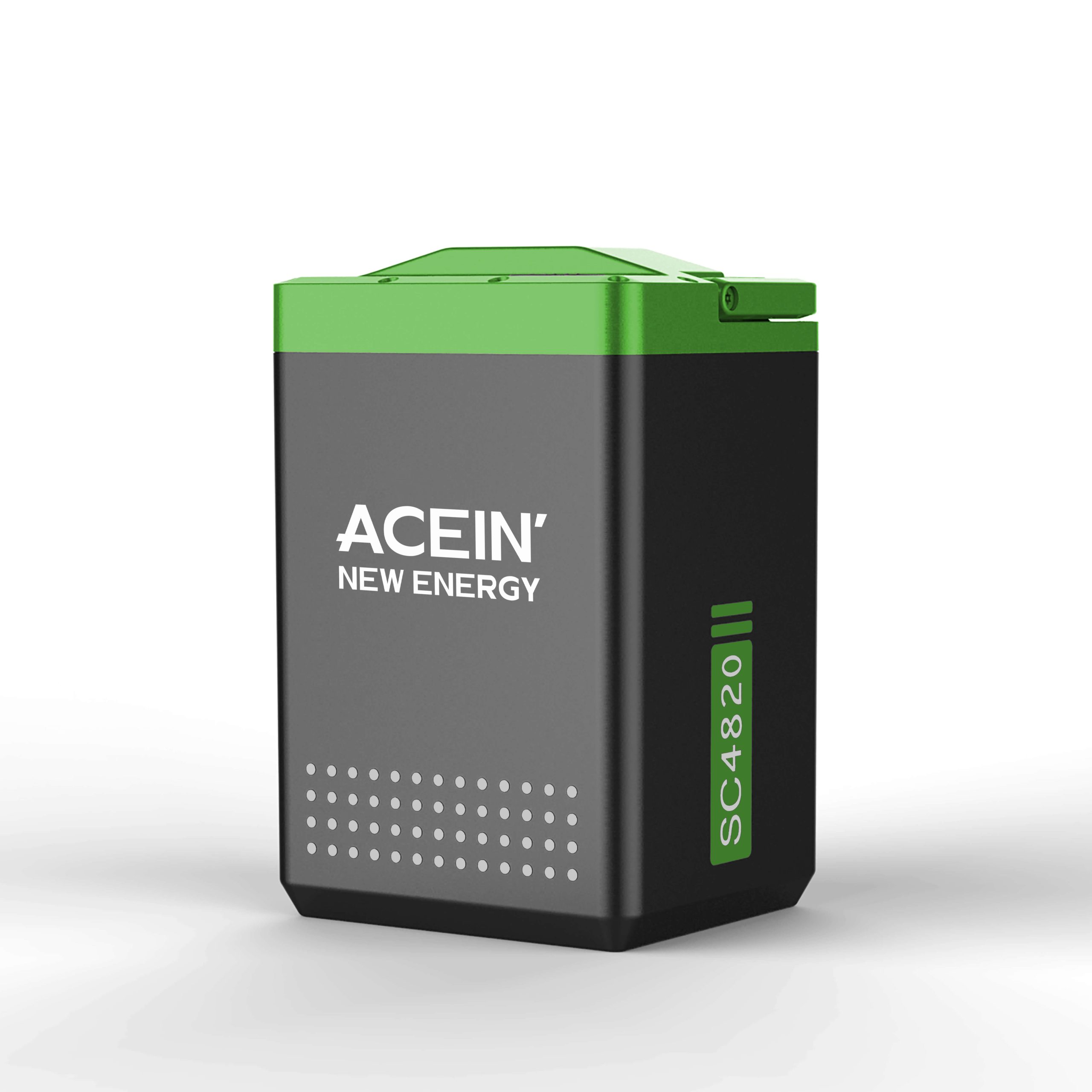
How long a 48V battery lasts depends on two different meanings of the word “last.” It can refer to runtime per charge, or it can refer to total service life before the battery needs replacement. Both are important for electric bikes, golf carts, scooters, solar storage, backup power systems, marine equipment, and industrial mobility applications.
In general, a 48v battery can run for less than one hour under a very heavy load or for many hours under a light load. Over its lifetime, a quality lithium 48V battery may last several years and hundreds to thousands of charge cycles, depending on chemistry, depth of discharge, charging habits, temperature, and battery management quality.
A 48V battery is a battery pack designed to provide a nominal voltage around 48 volts. It may be made from lithium-ion cells, lithium iron phosphate cells, lead-acid batteries, AGM batteries, gel batteries, or other rechargeable chemistries.
The voltage tells you the electrical pressure of the battery system, but it does not tell you runtime by itself. To estimate how long the battery will last per charge, you also need capacity, usually measured in amp-hours, or energy, measured in watt-hours.
Runtime Per Charge: The Basic Formula
To estimate runtime, first calculate battery energy:
Watt-hours = voltage x amp-hours
For example:
48V 10Ah battery = about 480Wh
48V 20Ah battery = about 960Wh
48V 30Ah battery = about 1,440Wh
48V 50Ah battery = about 2,400Wh
48V 100Ah battery = about 4,800Wh
Then divide the usable energy by the power demand:
Runtime = usable watt-hours / load watts
If a 48V 20Ah battery stores about 960Wh and powers a 500W motor, the theoretical runtime is about 1.9 hours. In real use, the result may be lower because of efficiency losses, acceleration, hills, temperature, tire resistance, inverter losses, and battery protection limits.
Examples of 48V Battery Runtime
Electric Bikes
A 48V e-bike battery may last 20 to 60 miles per charge depending on capacity, motor power, rider weight, terrain, riding speed, wind, tire pressure, and pedal assist level.
A smaller 48V 10Ah pack may support shorter daily commuting. A larger 48V 20Ah or 25Ah pack may provide longer range for delivery riders, touring, or hilly routes.
Golf Carts
A 48v battery used in a golf cart may last several hours per charge, but runtime depends heavily on battery capacity, cart weight, passenger load, speed, hills, and road conditions. Lithium packs often provide more usable energy and more stable voltage than traditional lead-acid packs of similar nominal rating.
Solar Storage
In solar or backup power applications, runtime depends on the connected load. A 48V 100Ah battery stores about 4.8kWh of nominal energy. If the usable energy is about 4kWh and the load is 500W, runtime may be around 8 hours. If the load is 2,000W, runtime may be around 2 hours.
Marine and Industrial Equipment
For trolling motors, floor machines, carts, and other equipment, runtime changes with duty cycle. Intermittent operation may last much longer than continuous full-power use.
Factors That Affect Runtime
Battery Capacity
Capacity is the most direct factor. A 48V 30Ah battery stores about three times the energy of a 48V 10Ah battery, assuming the same chemistry and usable discharge range.
Load Power
A high-power motor drains the battery faster. A 1,000W load will use energy twice as fast as a 500W load under similar conditions.
Depth of Discharge
Not all stored energy should be used every time. Lithium batteries often allow deeper discharge than lead-acid batteries, but leaving some reserve can improve service life.
Temperature
Cold temperatures can reduce available capacity and power output. High temperatures can speed aging and reduce long-term battery health.
Battery Chemistry
Lithium-ion, lithium iron phosphate, AGM, gel, and flooded lead-acid batteries all behave differently. Lithium batteries are usually lighter, more efficient, and longer-lasting. Lead-acid batteries are often lower in initial cost but heavier and more sensitive to deep discharge.
Efficiency Losses
Motors, controllers, inverters, wiring, chargers, and battery management systems all introduce losses. Real-world runtime is usually lower than simple calculations suggest.
Service Life: How Many Years Does a 48V Battery Last?
The service life of a 48V battery depends on chemistry and use conditions.
A lead-acid 48V battery bank may last about 2 to 5 years in many applications if maintained properly. Heavy discharge, heat, undercharging, and poor maintenance can shorten its life.
A lithium 48v batterymay last about 5 to 10 years in many applications, depending on cell quality, battery management system, charging habits, and cycle count. Lithium iron phosphate batteries are often valued for long cycle life and stable performance.
These are general ranges. Actual battery life depends on real operating conditions.
How to Make a 48V Battery Last Longer
To extend service life:
Avoid frequent full discharge when possible.
Use the correct charger.
Do not charge in extreme heat or cold.
Store the battery at a moderate charge level.
Keep terminals clean and secure.
Avoid overloading the battery.
Protect the pack from water and impact.
Follow manufacturer charging instructions.
Use equipment matched to the battery voltage and current rating.
Inspect the battery regularly for swelling, corrosion, heat, or damage.
Good charging and storage habits can make a major difference in long-term performance.
Signs a 48V Battery Is Wearing Out
A battery may be near replacement if you notice:
Shorter runtime
Faster voltage drop under load
Longer charging time
Charger errors
Reduced acceleration or power
Excessive heat
Swelling or case damage
Imbalanced cells
Frequent low-voltage cutoff
Corroded terminals
If these signs appear, the battery and charger should be inspected before continued use.
Choosing the Right 48V Battery
Before buying a 48V battery, consider:
Required voltage
Amp-hour capacity
Watt-hour rating
Maximum discharge current
Battery chemistry
Cycle life
Charger compatibility
BMS protection
Weight and size
Connector type
Waterproof rating
Mounting method
Warranty and service support
The best choice is not always the largest battery. It is the one that matches the equipment, load demand, runtime target, and installation space.
Conclusion
A 48V battery can last from less than an hour to many hours per charge depending on capacity and load. For service life, lead-acid 48V batteries may last a few years, while quality lithium batteries may last several years and many charge cycles under proper use.
To estimate runtime, calculate watt-hours and divide by the expected load. To extend lifespan, avoid deep discharge, use the correct charger, protect the battery from extreme temperatures, and select a pack that matches the equipment.
For 48V battery product information, visit Power Gogo.
We use cookies to ensure that we give you the best experience on our website. If you continue to use this site we will assume that you are happy with it.