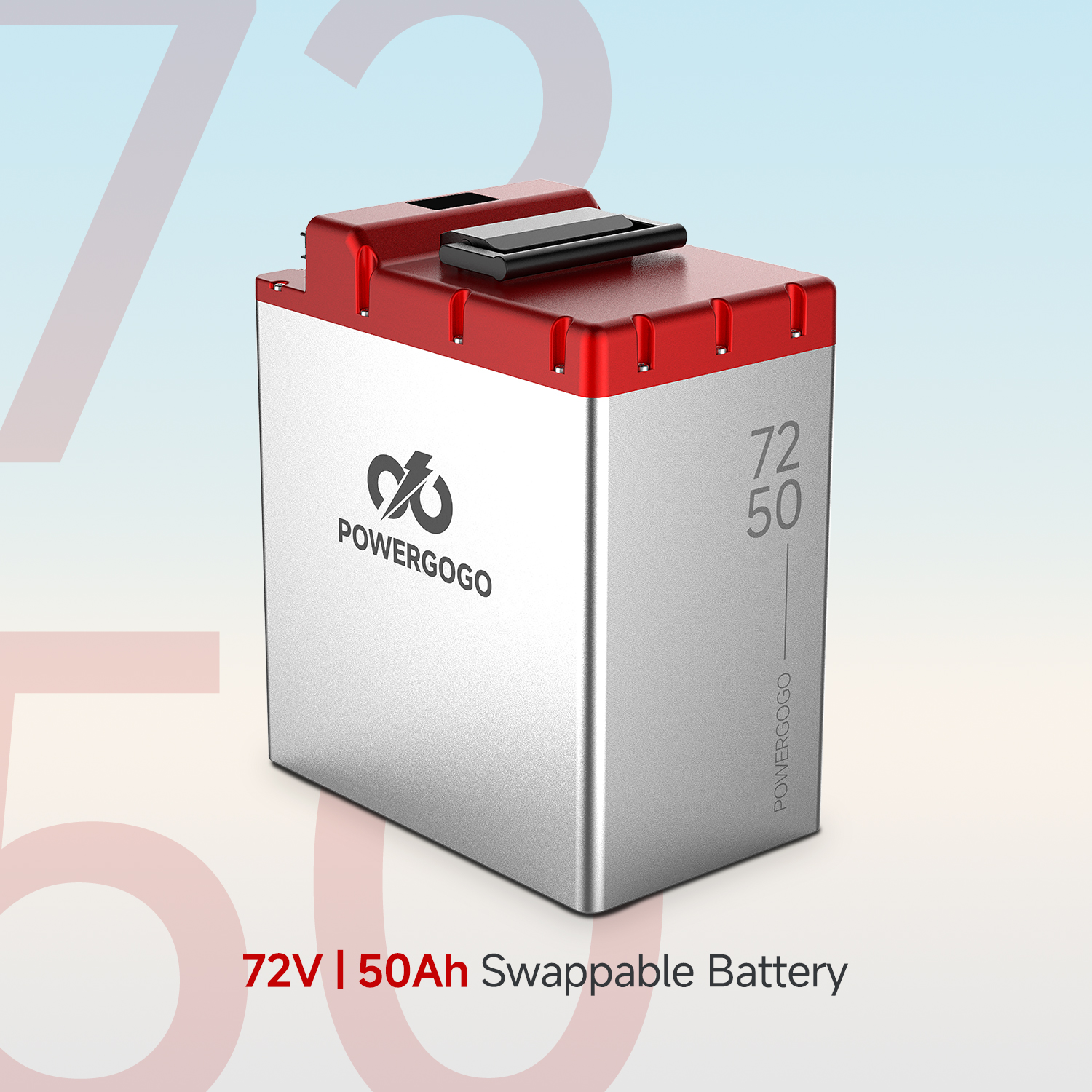
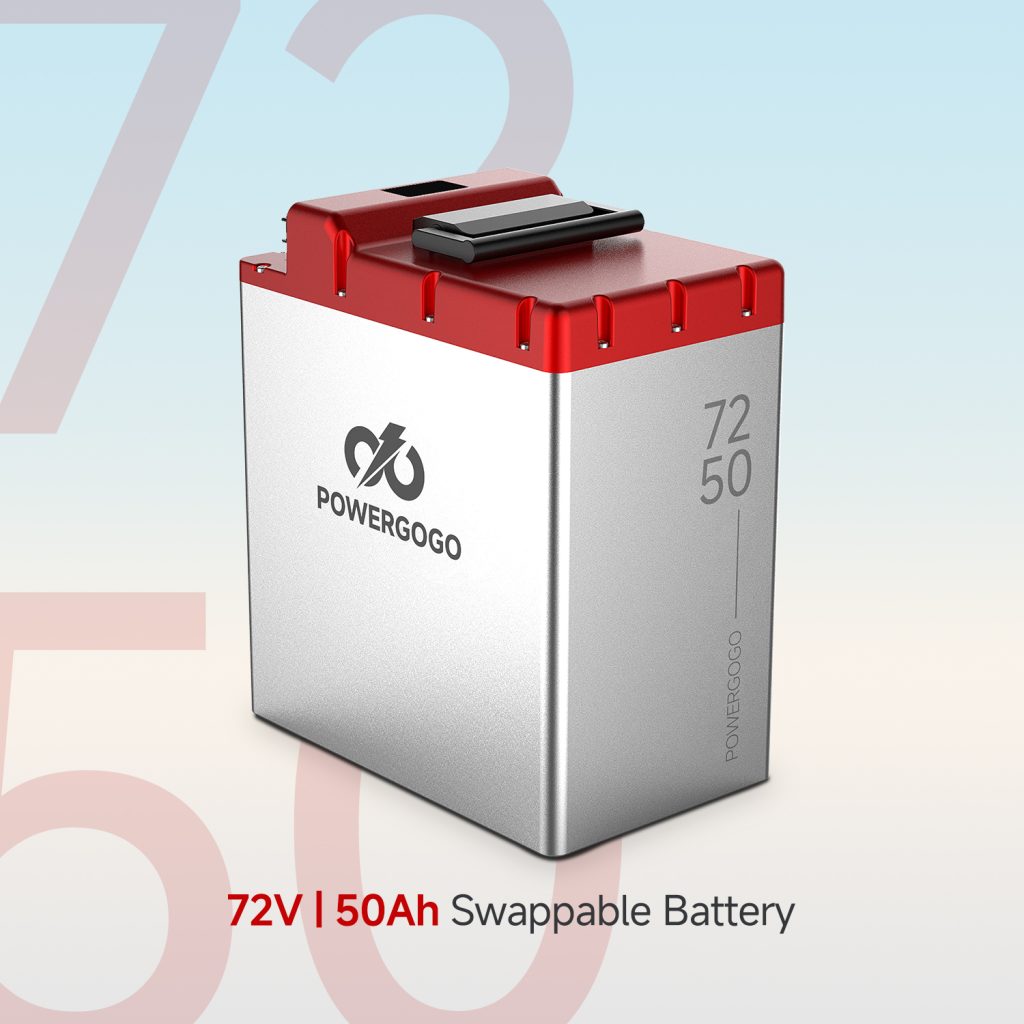
A 200Ah battery in Kenya can cost very different amounts depending on its battery chemistry, voltage, brand, warranty, and intended use. Based on a limited check of publicly available Kenya-facing offers in late 2026, a 12V 200Ah gel, AGM, lead-acid, or tubular battery may commonly fall within a broad KSh 20,000–45,000 planning range. Some lower-priced listings may be available, while established brands, longer warranties, and specialist deep-cycle models can cost more.
Lithium batteries should not be compared by “200Ah” alone. A 12V 200Ah lithium battery and a 48V 200Ah lithium battery have very different energy storage capacities and price levels. Always confirm voltage, usable energy, battery chemistry, warranty, and included accessories before comparing quotations.
The battery price in kenya is influenced by more than the Ah rating printed on the label. A 200Ah battery may be designed for solar storage, inverter backup, vehicle use, telecom backup, or another application. These products can have very different internal construction and service life.
Key price factors include:
Battery chemistry
Nominal voltage
Brand and supplier
Deep-cycle or standby design
Usable capacity
Warranty period
Charging requirements
Cycle-life expectation
Stock availability
Tax, delivery, and installation costs
A low initial price does not always mean better value. Buyers should compare the expected usable energy, warranty coverage, and service condition—not only the listed purchase price.
Typical 200Ah Battery Types in Kenya
12V 200Ah Gel Battery
Gel batteries are commonly selected for solar backup and inverter systems. They are sealed batteries designed for applications that may require repeated charging and discharging.
A 12V 200Ah gel battery stores approximately 2.4kWh of nominal energy. However, usable energy depends on the battery’s recommended depth of discharge, age, temperature, charging method, and load profile.
In the Kenya market, 12V 200Ah gel battery offers can vary widely. Buyers should confirm whether the quoted price includes VAT, delivery, installation, cables, terminals, or a warranty.
12V 200Ah AGM Battery
AGM batteries are another sealed lead-acid option used in backup power and solar applications. They can be suitable for selected inverter, UPS, and solar systems when matched with the correct charging profile.
When comparing AGM and gel batteries, ask about the recommended charging voltage, expected cycle use, warranty, and intended discharge pattern. A battery designed mainly for standby service may not be the best choice for frequent deep cycling.
12V 200Ah Tubular Battery
Tubular batteries are often considered for solar and inverter applications that require regular discharge cycles. Their price may vary based on plate design, manufacturer, warranty, and electrolyte maintenance requirements.
Some tubular battery products require routine maintenance, while others are marketed as maintenance-free. Buyers should confirm the actual maintenance requirement before purchase.
200Ah Lithium Battery
A lithium battery can offer a different value proposition from lead-acid, AGM, gel, or tubular batteries. It may provide more usable energy, faster charging, lower weight, and a longer cycle-life potential when used within its specified operating conditions.
However, lithium pricing must be compared carefully.
For example:
A 12V 200Ah lithium battery has a different energy capacity from a 24V 200Ah battery.
A 24V 200Ah lithium battery has a different energy capacity from a 48V 200Ah battery.
Battery-management-system quality, cell type, communication compatibility, and warranty can materially affect price.
Do not compare a 12V 200Ah lithium battery directly with a 48V 200Ah lithium battery simply because both are labelled “200Ah.”
How Much Backup Can a 200Ah Battery Provide?
A 200Ah rating does not automatically tell you how many hours of power you will receive. Runtime depends on battery voltage, usable capacity, appliance load, inverter efficiency, battery condition, and discharge limit.
For example, a 12V 200Ah battery has a nominal energy value of about 2.4kWh. In real use, the available energy may be lower because batteries should generally be used according to their recommended depth of discharge and operating conditions.
A battery supplying a small load can run longer than the same battery supplying multiple high-power appliances. Before buying, list the appliances you intend to power and calculate the expected load in watts.
Why Are Some 200Ah Batteries Much Cheaper?
Very low-priced 200Ah battery offers should be checked carefully. Price differences may result from:
Different battery chemistry
Different voltage
Lower-grade materials
Shorter warranty coverage
Reduced usable capacity
Older stock
Excluded VAT or delivery charges
Non-deep-cycle battery design
Unclear product specifications
Ask for the product data sheet, warranty terms, manufacturing date, charging guidance, and exact voltage before making a decision.
What Should You Check Before Buying?
A practical buyer checklist includes:
Confirm the battery voltage: 12V, 24V, or 48V.
Confirm the battery chemistry: gel, AGM, tubular, lead-acid, or lithium.
Check whether the battery is designed for deep-cycle solar use or standby backup use.
Compare usable energy, not only nominal Ah.
Confirm the warranty period and its conditions.
Verify compatibility with your inverter, charger, or solar charge controller.
Ask whether the quotation includes VAT, delivery, cables, installation, and terminals.
Check the battery production date and storage condition.
Confirm the supplier can provide technical support after purchase.
Is a 200Ah Battery Suitable for Solar Power in Kenya?
A 200Ah battery can be suitable for a small solar or backup system, but suitability depends on the load profile and system voltage.
For light backup loads, one 12V 200Ah battery may be enough for selected lights, routers, televisions, charging devices, or efficient appliances. For larger household loads, pumps, refrigeration, commercial equipment, or longer backup periods, the system may require a larger battery bank, a higher-voltage configuration, or a properly sized lithium storage solution.
The battery should always be matched with compatible solar panels, charge control equipment, inverter capacity, cable sizing, and protection devices.
Conclusion
How much is a 200Ah battery in Kenya? A realistic answer depends on the battery type and specification. A 12V 200Ah gel, AGM, lead-acid, or tubular battery may commonly be quoted within a broad KSh 20,000–45,000 planning range, while lithium battery pricing can vary much more because voltage and usable energy differ greatly between models.
The best buying decision is not based on price alone. Compare chemistry, voltage, usable energy, warranty, charging compatibility, delivery terms, and the actual load you need to support.
For 200Ah battery sourcing, solar storage requirements, and project-specific battery recommendations, contact our team.
FAQ
What is the average price of a 200Ah battery in Kenya?
A 12V 200Ah lead-acid, gel, AGM, or tubular battery may commonly be quoted within a broad KSh 20,000–45,000 range, but actual prices vary by brand, warranty, supplier, and commercial terms.
Is a 200Ah lithium battery more expensive than a gel battery?
Often, yes. Lithium batteries can have a higher purchase price, but their usable capacity, weight, charging performance, and cycle-life potential may differ from gel batteries. Compare the complete specification before deciding.
How long can a 12V 200Ah battery run a home?
Runtime depends on the actual load, inverter efficiency, battery condition, and recommended discharge depth. Calculate your appliance load in watts before selecting a battery system.
Is 200Ah enough for a solar system?
It can be enough for selected light-load backup or solar applications. Larger appliance loads and longer backup periods may require a larger battery bank or a higher-voltage energy-storage system.
Should I choose a gel, tubular, AGM, or lithium battery?
The right option depends on your budget, load profile, charging system, required backup time, installation environment, maintenance preference, and long-term replacement plan.
We use cookies to ensure that we give you the best experience on our website. If you continue to use this site we will assume that you are happy with it.