The electric revolution is here, but for fleet operators and business owners, the transition comes with a specific set of headaches. You want to go green, but you can’t afford to have your vehicles sitting idle for hours while they charge. I’m Alex Taylor from Power GoGo, and I’ve spent over 14 years in the lithium battery industry. I have seen firsthand how battery swap technology is transforming the landscape. It is not just about a different vehicle; it is about a smarter way to fuel. This article is worth reading because it dives into the practical, operational, and financial reasons why swapping technology is superior to traditional charging for commercial use. We will explore how this tech works, why the battery swapping market is booming, and how it ensures your fleet is always ready to go.
What is Battery Swap Technology and How Does the Swapping Station Work?
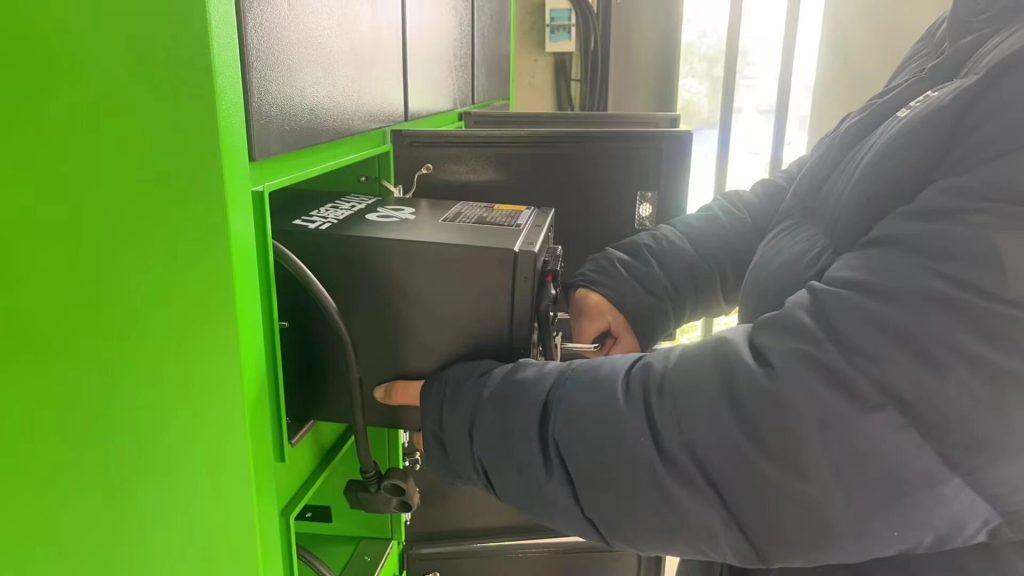
Battery swap technology is a system that allows an electric vehicle (EV) driver to exchange a discharged battery for a fully charged one in a matter of seconds. Think of it like changing the batteries in a remote control, but on a much larger, industrial scale. The concept of battery swapping is simple yet revolutionary. Instead of plugging the vehicle into a wall and waiting, you simply remove the battery and replace it.
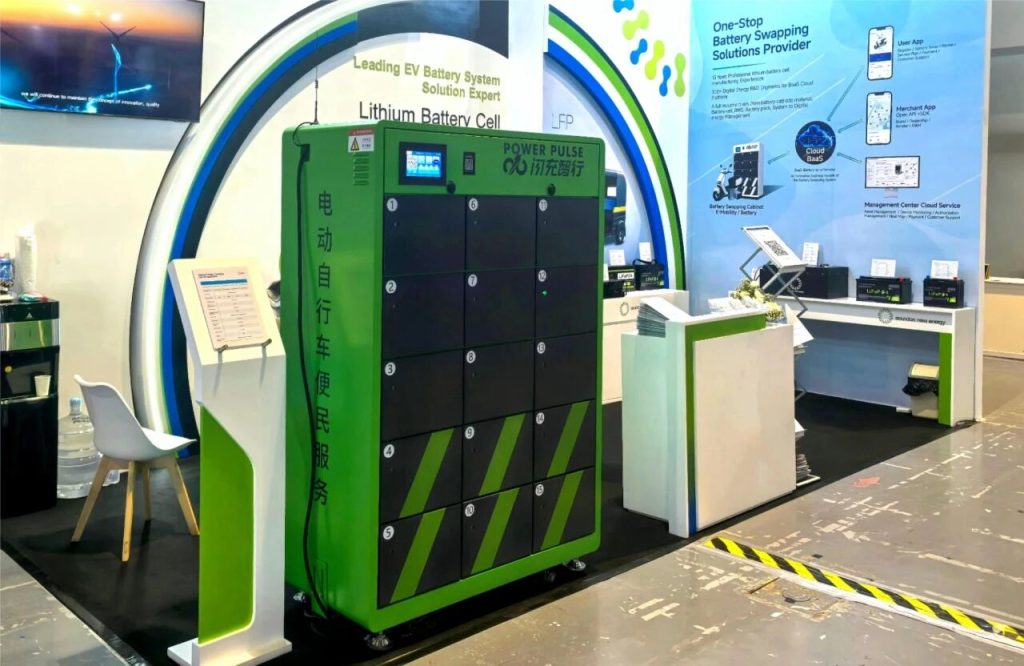
The heart of this system is the battery swap station. This can be a large automated station for cars or a compact swapping station cabinet for two-wheelers like scooters. For our clients, the process is manual but incredibly fast. A rider pulls up to the cabinet, verifies their identity via an app, and swaps their depleted batteries for fully charged ones. The cabinet then begins to charge the returned battery immediately. This swapping technology ensures that a new fully charged power source is always available. It transforms the energy replenishment process from a time-consuming chore into a quick pit stop.
What Are the Key Advantages of Battery Swapping for EV Owners and Fleets?
When we look at the advantages of battery swapping, the most significant benefit is time savings. Traditional charging methods can take anywhere from four to eight hours to fully recharge a battery. For a delivery fleet, that is downtime you cannot afford. Battery swapping offers a solution where the vehicle is back on the road in under one minute. This efficiency maximizes the uptime of every ev in your fleet.
Another major advantage is the protection of the battery pack itself. In a battery swap ecosystem, the charging happens in a controlled environment inside the swapping station. The system manages the heat and voltage much better than an onboard charger can. This extends the battery life significantly. Furthermore, ev owners do not need to worry about battery maintenance or the eventual replacement of battery packs, as the service provider manages the health of all ev batteries in the network.
How Does Swapping Technology Eliminate Range Anxiety and Long Charging Times?
Range anxiety—the fear that your battery will run out before you reach your destination—is the number one barrier to ev adoption. Long charging times only add to this stress. If a driver knows they have to wait hours to move again, they will hesitate to take long trips. Battery swap technology kills this anxiety. When you know you can get a fully charged battery in a matter of minutes, you drive with confidence.
The battery swapping process essentially gives an electric vehicle unlimited range, as long as there is swapping infrastructure nearby. This is particularly game-changing for commercial evs like delivery scooters. A rider can swap depleted batteries with fully charged ones multiple times a day, covering distances that would be impossible with traditional charging. Swapping allows for continuous operation, ensuring that long charging never bottlenecks your business operations.
Is the Battery Swapping Market Gaining Traction with Major EV Manufacturers?
Yes, the battery swapping market is gaining serious momentum. While early attempts had challenges, modern ev manufacturers and an increasing number of automaker giants are now investing heavily in this space. They realize that to achieve widespread adoption of evs, they need to offer a solution that rivals the convenience of fueling a gas car. We are seeing partnership deals forming between vehicle makers and energy companies to build shared networks.
The battery swapping market is no longer a niche experiment; it is becoming a mainstream solution, especially for commercial fleets and two-wheelers. Companies like ours are working to standardize battery types to make this even easier. As adoption grows, we will see more ev models designed specifically for battery swapping. This shift indicates that the industry recognizes battery swap as a viable, scalable path for the future of electric transportation.
How Do Innovations in Battery Technologies Enhance the Swapping Experience?
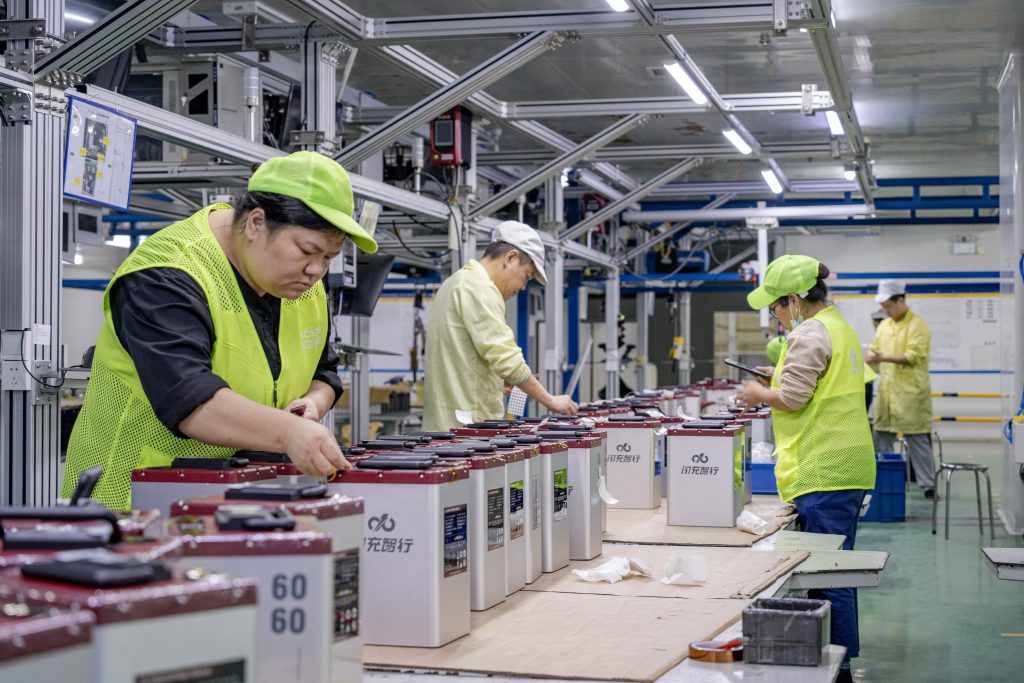
Innovations in battery science are making battery swap systems better every day. At Power GoGo, we use advanced lithium-ion batteries with high energy densities. This means our swappable batteries are lighter but hold more power, giving your vehicle better range. But the hardware is only half the story. The real magic is in the Battery Management Systems (BMS).
Our smart 72V40Ah Swappable Battery communicates directly with the swapping station. It tracks battery health, temperature, and usage cycles in real-time. This data ensures battery safety and optimal performance. Modern battery technologies allow us to charge these packs quickly within the cabinet without damaging them. These advancements mean that the battery performance you get today is reliable, consistent, and safe, making the adoption of battery swapping a smart technical choice.
Why is Battery Lifecycle Management Critical in a Battery Swap Model?
In a battery swap model, the user does not own the battery; the operator does. This centralization allows for superior battery management. We can monitor every battery in the fleet. We know exactly when a battery needs maintenance or when it is time to retire it. This proactive approach prevents failures out on the road. Battery maintenance and replacement become seamless background processes that the driver never has to worry about.
This model also facilitates better battery recycling. When ev batteries reach the end of their life in a vehicle, they often still have 70-80% capacity. In our system, we can easily identify these units and transition them to second-life applications, like stationary energy storage. This controlled lifecycle significantly reduces the environmental impact of battery waste. It ensures that making evs is not just about the drive, but about the entire life of the power source.
How Does Battery-Swapping Infrastructure Compare to Traditional Charging Stations?
Traditional charging stations, especially fast chargers, require a massive amount of power from the grid all at once. They also take up a lot of real estate. Imagine the space needed to park 20 cars or scooters for 4 hours while they charge. In contrast, a battery-swapping station is incredibly space-efficient. Our 12-Slots Battery Swapping Cabinet takes up less than a square meter but can serve dozens of riders a day.
Space is battery swapping technology’s friend. You can place these cabinets in convenience stores, parking lots, or delivery hubs. The footprint of battery swap infrastructure is minimal compared to the sprawling lots needed for ev charging. Furthermore, battery-swapping stations can charge the depleted batteries at a slower, more steady rate, which puts less strain on the local power grid. This makes swapping infrastructure easier to deploy in dense urban areas where space and power are limited.
Can Battery Swapping Significantly Reduce the Cost of Battery Ownership?
One of the biggest hurdles to ev adoption is the high upfront cost, largely due to the battery. Battery swapping allows for a business model called “Battery as a Service” (BaaS). In this model, you buy the electric vehicle but lease the battery. This can significantly reduce the purchase price of the vehicle, sometimes by as much as 30-40%.
Instead of a huge capital expense, battery leasing becomes a predictable operating cost. You pay a subscription or a fee per swap. This covers the cost of battery use, charging, and eventually battery replacement. For a fleet manager, this removes the financial risk of battery degradation. You are not stuck with a depreciating asset; you are paying for a service that guarantees you always have a battery that works. This makes the total cost of ownership for evs often lower than internal combustion engine vehicles.
What Role Does Battery Swapping Play in Sustainable Electric Mobility?
Sustainable transportation requires more than just electric motors; it requires a sustainable energy system. Battery swapping for electric two-wheelers and cars supports this by optimizing how energy is used. Because we charge batteries centrally, we can choose to charge them when renewable energy (like solar or wind) is most abundant on the grid. This makes the electricity inside the battery greener.
Furthermore, the battery swap system promotes a circular economy. By extending battery life through careful management and ensuring proper battery recycling, we minimize waste. Battery swapping could be the key to making electric mobility truly sustainable on a global scale. It addresses the environmental impact of battery production by maximizing the utility of every single cell we produce.
What is the Future of EV Battery Swapping and Global Adoption?
The future of electric mobility is flexible, fast, and user-centric. Battery swapping fits this future perfectly. We are seeing widespread adoption in huge markets like China, Indonesia, and India, and interest is growing globally in Europe and the US. As charging infrastructure struggles to keep up with the number of evs on the road, swapping technology represents a significant solution to the bottleneck.
We expect to see more standardization, allowing different vehicle brands to use the same swapping station. We will see faster automated robots for car swaps and denser networks of cabinets for scooters. Whether it is swapping depleted batteries for fully charged ones in a scooter or a truck, this technology is here to stay. For anyone looking to run an efficient ev fleet, embracing battery swap technology is not just an option; it is the smart road ahead.
Key Takeaways to Remember:
- Speed Wins: Swapping a battery takes less than a minute, compared to hours for traditional ev charging.
- Banish Anxiety: Knowing you can get a fully charged one at designated stations eliminates range anxiety.
- Cost Effective: BaaS models separate the battery cost from the vehicle, lowering entry barriers and reducing risks associated with battery health.
- Space Saver: A battery-swapping station requires a fraction of the land needed for charging lots, making it ideal for cities.
- Better for Batteries: Controlled charging in a station extends battery life and ensures safety better than plugging in at home.
- Sustainable Cycle: Centralized management improves battery recycling and allows for optimized energy usage from the grid.
- Fleet Ready: For commercial operations, battery swapping services provide the only viable way to keep vehicles running 24/7.
- Growing Market: With major support from manufacturers, the adoption of battery swapping is accelerating worldwide.