Running an urban mobility fleet is highly complex. Every delivery director knows that vehicle uptime equals revenue. When a delivery scooter sits idle, you lose money. At the core of your operation is the power source. We must look at how e-bike batteries function to keep operations flowing smoothly. It is the single critical component that dictates whether a shift is completed or a vehicle gets stranded on the pavement. Understanding battery technology is not just for engineers; it is for pragmatists who want maximum efficiency.
An electric bike fleet requires serious logistical planning. You are constantly juggling route assignments and maintenance schedules. In this guide, we dive deep into the ecosystem of energy storage for light electric vehicles. We explore what makes these power units tick, how to maintain them, and how an innovative approach can eliminate downtime entirely. If you want a safer, more profitable bike fleet, you are in the right place.
What makes e-bike batteries the heart of your electric bike?
Every rider demands reliable, uninterrupted power to hit their daily targets. The entire riding experience depends on a steady flow of energy from the frame to the hub. Whether your logistics team relies on heavy-duty cargo bikes specifically designed for carrying groceries across town, or you rent out nimble folding bikes tailored for urban professionals living in small apartments, the core power unit matters the most.
A robust power supply forms the absolute heart of all modern e-bikes. These aren’t just simple cells wired together; they are sophisticated power plants. In the B2B world, the battery dictates the Total Cost of Ownership (TCO). When you invest in high-grade e-bike batteries, you are buying peace of mind. The capacity determines range, and the discharge rate determines the hauling capability. A weak ebike power source will cripple a delivery route, forcing the operator to limp back to the depot.
Furthermore, standardizing your equipment is vital for operational efficiency. When every electric bike in your fleet utilizes the same type of power module, your maintenance team can work much faster. Standardization means fewer spare parts to stock and less confusion during shift changes. A well-chosen bike model integrates the power source seamlessly into its design, offering perfect weight distribution and superior handling for the operator.
How does a BMS prevent a pack from deciding to overheat?
The battery management system acts as the intelligent brain inside the casing. A high-quality bms constantly monitors the individual cells. Without this electronic oversight, the internal cells could easily overheat during intense usage or while plugged in. It performs the vital task of cell balancing, which ensures the electrical voltage remains perfectly even across every single cell in the array.
If a traditional lithium-ion structure gets extremely hot, the delicate internal separator between the anode and cathode can melt. This catastrophic failure leads to thermal runaway. You never want to experience that in your warehouse or out on the street. It creates a massive, uncontrollable fire risk that can destroy property and harm personnel. The BMS acts as an emergency brake, cutting off the power flow if temperatures rise to dangerous levels.
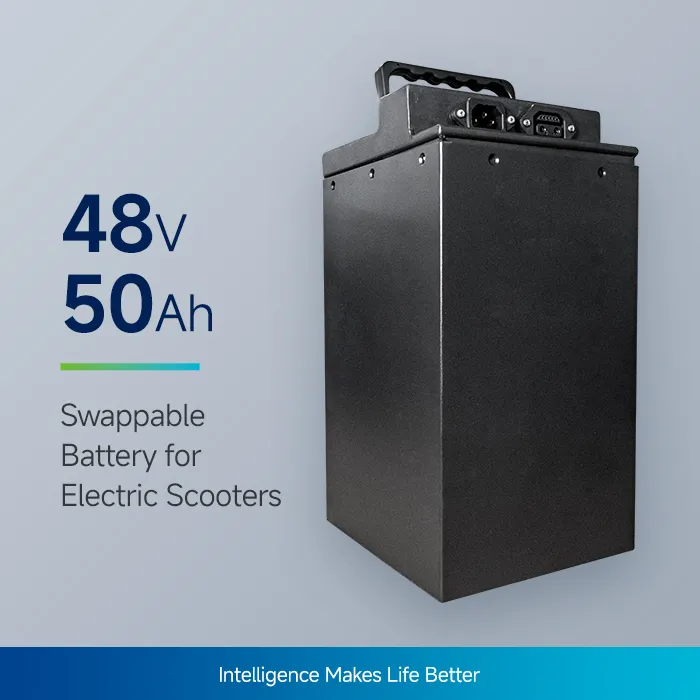
For a fleet operator, a smart battery with an advanced management board is non-negotiable. Our robust 48V50Ah Iron Lithium Swappable Battery incorporates state-of-the-art monitoring to prevent thermal incidents. By constantly checking the metrics of the pack, the system ensures that the unit operates well within its safe parameters, extending its operational lifespan and safeguarding your valuable assets.
Why should you verify UL 2849 safety standards for your ebike fleet?
Fleet managers must strictly adhere to compliance and safety regulations. Often, stringent local regulations demand that all commercial micromobility gear be fully certified. In the United States, the CPSC strongly recommends strict compliance to mitigate hazards. Therefore, you must proactively verify that your equipment meets recognized safety standards. The most prominent benchmark in the industry today is ul 2849.
This rigorous certification was established by Underwriters Laboratories to serve as the definitive gold standard for e-bikes. It isn’t just about the cells; it evaluates the entire electrical drivetrain. Even premium bike brands like bosch engineer their systems around these exact rules. Having that official ul mark ensures that the power source, the wiring harness, and the motor and controller all communicate and function safely together under stress.
Ignoring these certifications can lead to disastrous legal and financial consequences for a business. If an uncertified battery causes an incident, your insurance might not cover the damages. For a commercial ebike operation, investing in certified hardware is essentially investing in risk management. A fully compliant bike protects your brand reputation and ensures that your delivery personnel are riding the safest possible machines.
Can the wrong charger increase the risk of battery fires?
Absolutely. The process to charge a high-capacity power unit requires precise current and voltage control. You should strictly only use the supplied, original charger. Using a cheap, mismatched unit can cause serious trouble for the internal chemistry. An incorrect power adapter might accidentally overcharge the cells, pushing past their maximum capacity limits.
This precise scenario is exactly how a large majority of catastrophic battery fires start. If a rider simply plugs the unit into the wall with an incompatible cord and walks away, the results can be devastating. You should never charge a large mobility device if you aren’t around or if the area lacks smoke detectors. The charger must communicate with the internal board to know exactly when to taper off the current.
Fleet depots should set up dedicated, fire-resistant zones to charge their equipment. A smarter alternative is utilizing a central swapping cabinet. By placing the battery into an intelligent cabinet, the system automatically regulates the exact current needed. This removes the human error element entirely, ensuring every single battery receives a safe, optimized replenishment.
What chemistry makes a safe and reliable battery pack for your bike?
Different internal materials yield vastly different performance traits. The consumer market heavily relies on standard Li-ion technology for its lightweight and high energy density. However, for maximum lifespan and unparalleled safety in commercial fleets, many operations directors now prefer iron phosphate technology. This specific internal chemistry is exceptionally stable and much less prone to overheating during aggressive use.
When you purchase a battery pack for commercial deployment, you need something that endures thousands of cycles. Let’s say your logistics hub runs a standard 48V electrical system. Knowing exactly what materials are inside helps you make an informed choice that aligns with your ROI goals. A stable chemistry drastically reduces the operational need for frequent battery replacement, thereby lowering your long-term overhead costs.
It is important to note that pure, unalloyed lithium metal is rarely used in these applications due to its high reactivity; instead, we utilize stable lithium-ion compounds. Choosing the right battery chemistry is the foundation of fleet reliability. A tough, commercial-grade pack designed for a delivery bike will easily outlast a consumer-grade unit, surviving the daily grind of urban logistics with minimal capacity loss over the years.
Are removable batteries better for e-bikes used in last-mile delivery?
Yes, without a doubt. Last-mile delivery fleets are designed to operate around the clock. Fixed, built-in energy units create operational bottlenecks because the entire vehicle must sit idle while plugged into the wall. Removable batteries solve this fundamental logistical issue completely. A busy rider can pull an empty module out and immediately slot a fresh one into the designated bracket or down tube casing.
Some older designs look like a simple water bottle mounted on the frame, but commercial systems use robust, heavy-duty sliding rails. This highly removable design keeps your e-bikes on the asphalt 24/7. It is perfect for high-demand delivery routes. Instead of waiting for hours to charge a vehicle at a wall plug, the driver is back on the road in less than sixty seconds.
This is where a comprehensive swapping ecosystem shines. By utilizing a 15 Slots Battery Swapping Cabinet, an operator simply exchanges their depleted battery for a full one. These centralized hubs ensure that a fresh, tested, and safe battery is always ready. For any ebike fleet, this means zero downtime and massively increased daily delivery volumes per vehicle.
How do you safely charge your bicycle pack to avoid thermal runaway?
First and foremost, always bring the unit indoors to a controlled environment. It is significantly safer and more efficient to replenish energy at a comfortable, stable room temperature. You should never plug it in if the outer casing is freezing cold from winter streets or boiling hot from summer sun. You must actively monitor the replenishment process at all times.
Safety protocols dictate that you don’t leave the unit completely unattended while it is actively plugged into the wall socket. If a standard lithium-ion battery is abused or exposed to bad charging habits, it will eventually fail. A high-capacity bicycle energy source requires respect and care. Ensure you always give it the proper, steady charge using approved equipment only.
Keep a close eye on the physical housing of the pack to make sure it doesn’t swell up, crack, or emit strange odors. Proper maintenance of the battery prevents the dreaded thermal runaway scenario. When the battery reaches a full state, disconnect it promptly. For fleets, using automated cabinets removes this manual monitoring burden, as the cabinet itself stops the flow of electricity safely.
Why should operators avoid cheap aftermarket removable batteries?
It is always tempting for a business to cut upfront costs. You might find a suspiciously cheap aftermarket option listed online. But fleet operators must beware. A random, unknown supplier or a third-party online retailer very often skips crucial quality control and safety checks to lower their prices. If you try to save a few dollars here, you could easily lose an entire delivery vehicle to a fire.
Using non-original parts usually means you immediately lose the manufacturer’s factory warranty. You must always buy from a trusted, reputable manufacturing source, or directly from the original bike shop or fleet service provider. Genuine suppliers offer reliable customer support and strictly guarantee exact compatibility with your specific motor and controller.
A cheap knockoff battery might claim high capacities, but it often uses rejected cells. These inferior e-bike batteries degrade incredibly fast and pose a severe safety hazard. When managing an electric bike fleet, your focus must be on the total cost of ownership. Investing in authentic removable batteries ensures longevity, superior performance, and most importantly, the safety of your personnel.
How do extreme weather and voltage affect your e-bike battery safety?
Operating delivery vehicles in extreme temperatures is incredibly tough on all electrical equipment. Cold winter weather drastically drops the available voltage very fast, meaning your riders get significantly less range per trip. Conversely, hot summer weather increases the internal pressure of the cells. Your corporate e-bike battery safety protocols must include simple rules like parking vehicles in the shade whenever possible.
Pushing your heavy ebike to its maximum top speed directly up a steep city hill generates a massive torque demand. This sudden spike strains the internal cells heavily. Furthermore, if a busy rider takes a heavy payload over bumpy, rough terrain or unexpected off-road shortcuts, severe physical impacts can occur to the undercarriage.
If the casing of the battery is damaged, you must take it out of active service immediately. Do not attempt to charge a compromised unit. A damaged battery is a ticking time bomb. Fleet managers should implement daily visual inspections. Catching a cracked casing early is the best way to maintain battery safety and protect your valuable bike assets.
What are the best practices for e-bike battery and charger maintenance?
Establishing a solid daily maintenance routine significantly extends overall battery life. If you possess spare units that you aren’t planning to use for several weeks, store them at approximately 50% capacity rather than fully full or empty. Always keep your primary charger in a clean, dry location. Routinely keep the metal connections free of any dust, moisture, and debris inside the actual vehicle compartment.
Good handling habits invariably save your business money. If you are operating a large commuter bike rental fleet, rigorously instruct your field team to report any physical damage or unusual heat generation immediately. The battery should be wiped down with a dry cloth to prevent grime buildup near the terminals.
Never forcefully drop the battery onto the concrete. The internal components are fragile. To efficiently charge the units, rely on intelligent systems like our 12-slot battery swapping cabinet, which handles the diagnostics and temperature control automatically. By treating your ebike batteries as critical infrastructure rather than disposable accessories, your electric bike fleet will operate flawlessly for years to come.
How does a battery swap ecosystem outshine traditional manual charging?
When managing a fleet of delivery ebikes, manual plugging is notoriously inefficient. Every time an operator stops to charge a vehicle, you are losing precious delivery windows. The battery takes hours to replenish its energy reserves. During this time, the vehicle is a useless asset taking up space in your warehouse.
By adopting a swapping model, you eliminate this downtime. The rider arrives at a station, pulls out the empty battery, and inserts it into a smart slot. The cabinet instantly begins to charge the module using optimized algorithms that protect the cells. Simultaneously, a fresh battery is released. This rapid exchange ensures that your bike fleet achieves maximum utilization rates.
Furthermore, centralized cabinets drastically reduce the need to purchase a separate charger for every single vehicle. This cuts down on messy cables and fire hazards in the depot. The battery inventory is managed via a cloud BaaS (Battery as a Service) platform, allowing you to monitor the real-time health and voltage of every single unit in circulation.
Why is regular training essential for your delivery riders?
You can buy the best equipment, but human error is always a factor. A well-trained rider is your first line of defense against hardware failure. Your staff needs to understand how to handle the battery safely. They should be trained to spot physical defects, such as a cracked casing or a bent connector, before they attempt to charge the unit.
Training should also cover riding habits. Constantly accelerating at maximum throttle drains the battery rapidly and stresses the motor. Smooth, consistent riding extends the range of the bike and reduces thermal load on the electrical system. By educating your team on the value of these e-bike batteries, you foster a culture of care and responsibility.
When a driver finishes their shift, they must properly dock the battery into the swapping cabinet or the designated wall unit. Leaving an empty battery sitting on the floor in the cold overnight can cause permanent damage to the cells. A disciplined approach ensures that every battery is ready for the next shift.
What is the true cost of poor battery management?
The financial impact of neglecting power units is staggering. If you constantly abuse a battery, its overall capacity will plummet. Instead of lasting 2,000 cycles, it might only survive 500. This forces you to buy replacement e-bike batteries much sooner than anticipated, destroying your capital expenditure budget.
Additionally, a failing battery can cause unpredictable vehicle shutdowns on the road. When a bike dies mid-delivery, you face angry customers, ruined food, and the cost of recovering the stranded vehicle. The battery must be viewed as the vital fuel tank of your business. If the fuel tank is leaking, the entire operation suffers.
Implementing a smart swapping network effectively outsources this management. The system monitors the battery health automatically. If a battery shows signs of excessive degradation, the software locks it in the cabinet, preventing a rider from taking a faulty unit. This guarantees that your electric bike always has reliable, safe power.
Future trends in fleet energy storage and mobility
The micromobility sector is evolving rapidly. We are moving away from the chaotic model of individual plugs toward organized, intelligent energy grids. The battery of tomorrow will feature even more robust casing, improved thermal stability, and seamless IoT integration. Fleet operators will no longer worry about how to charge their fleets; they will simply subscribe to an energy service.
As urban centers crack down on emissions and noise, the reliance on the bike for last-mile logistics will only increase. To keep up with this demand, the technology behind the battery must scale. We anticipate a surge in standardization, where multiple brands of e-bikes will accept the exact same swappable unit.
This interoperability will lower the barrier to entry for new logistics companies. By trusting specialized suppliers like Power GoGo for your battery infrastructure, you ensure your business remains at the cutting edge of efficiency and safety. Your ebike fleet is only as strong as its weakest link, so make sure your power source is bulletproof.