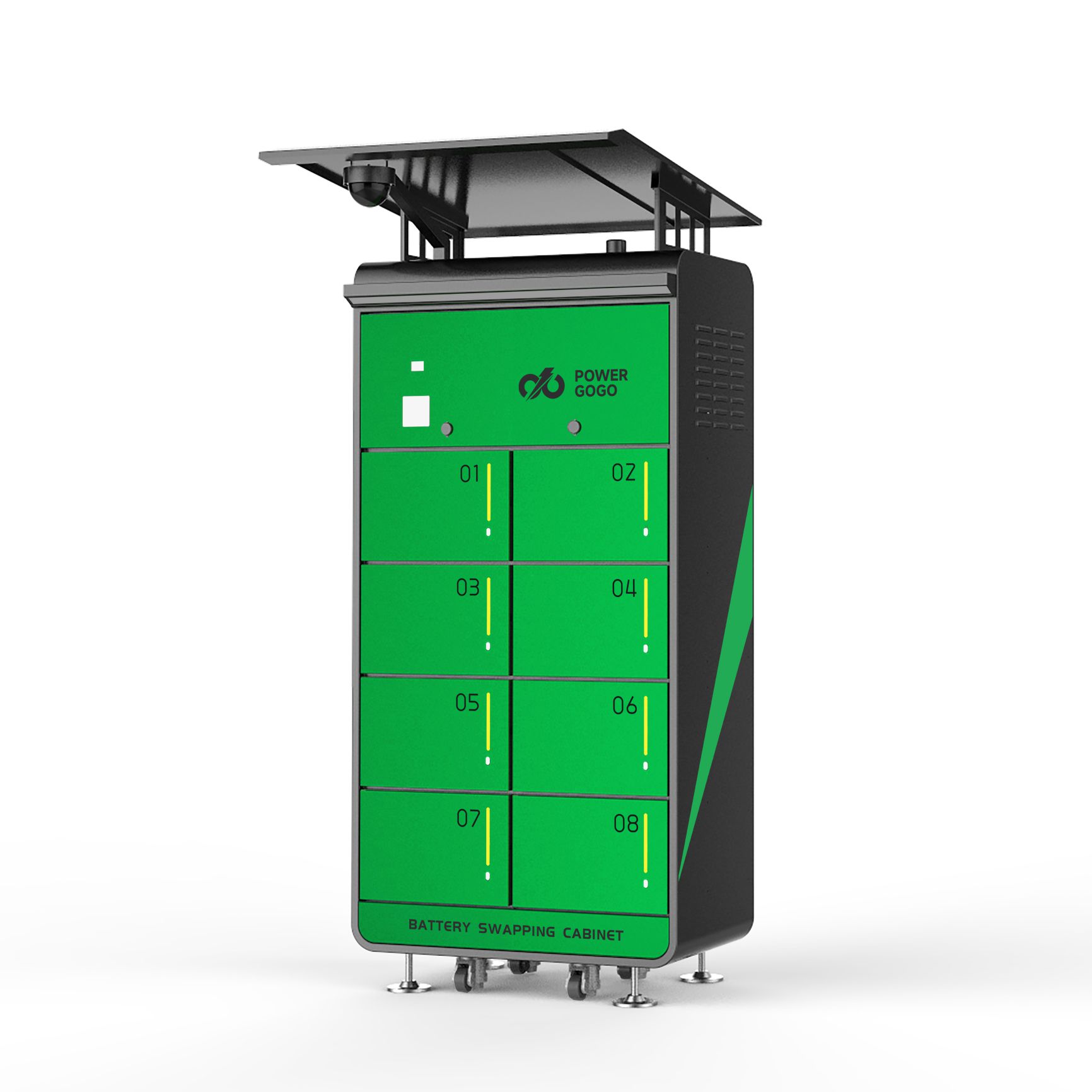
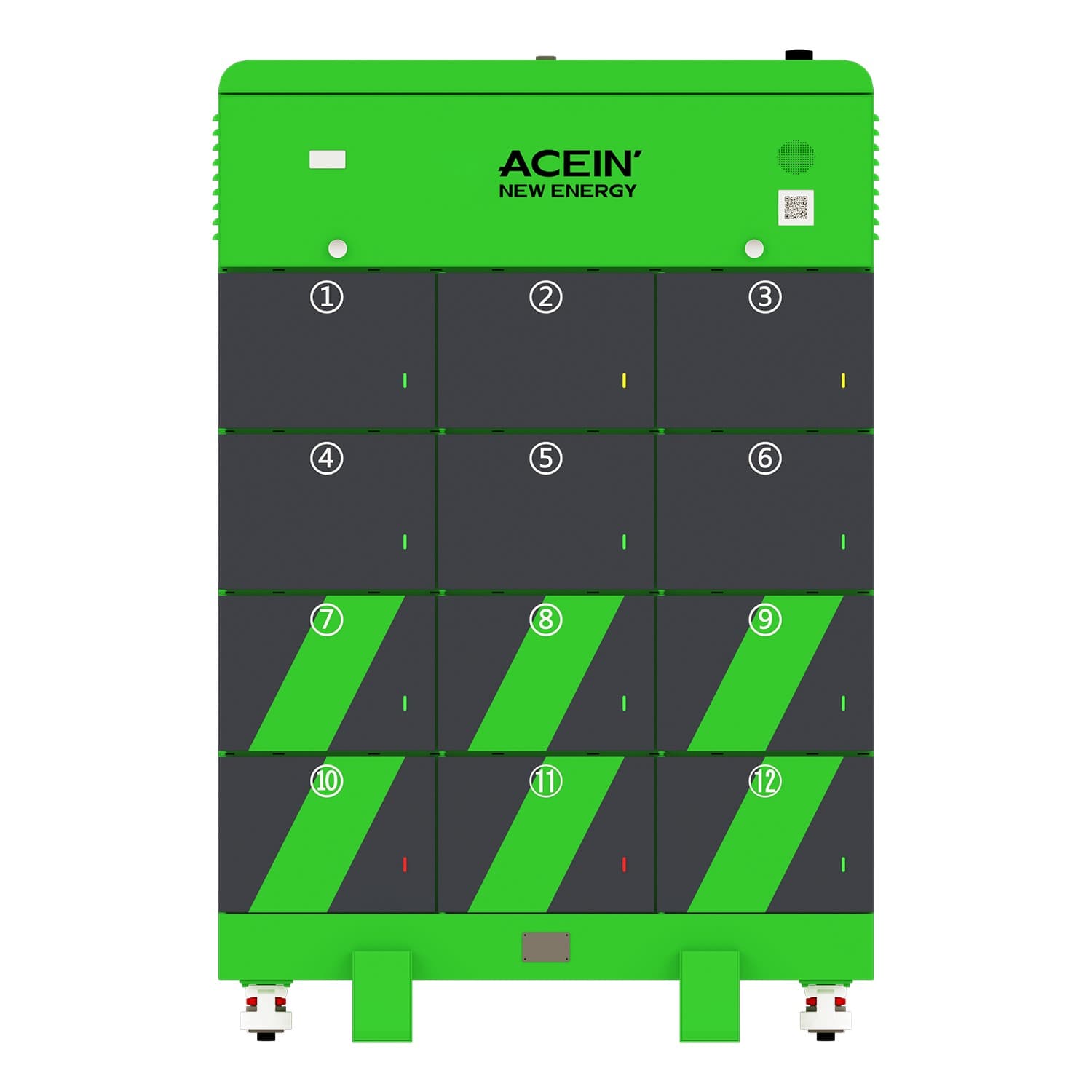
The world is shifting to electric. But for the businesses that power our cities—the delivery services, the logistics fleets, the urban mobility providers—a critical question has always loomed: how do you keep a fleet of EVs moving without crippling downtime? As Alex Taylor, with over 14 years deep in the world of lithium battery manufacturing, I’ve seen this challenge stall progress time and again. The answer isn’t just a better charging station; it’s a completely different way of thinking about energy. This article is your deep dive into the battery swapping market and the technology that is set to redefine the future of electric vehicles. We’ll explore how a simple swap can solve the biggest problems in EV adoption, making electric power not just viable, but superior for commercial use.
What is EV Battery Swapping and How Does it Work?
Imagine pulling into a gas station, but instead of filling a tank, you simply swap your car’s empty fuel tank for a full one in under a minute. That’s the core concept behind EV battery swapping. Instead of plugging an electric vehicle into a charging station and waiting for long charging times, a driver pulls up to a battery swap station. Here, they can exchange their depleted batteries for fully charged ones quickly and efficiently. The entire process is designed to be as fast, if not faster, than refueling a conventional gasoline car.
The process is remarkably simple for the end-user. The driver approaches a swapping cabinet, authenticates themselves (usually via a smartphone app), and the station presents them with a fully charged battery. The driver then removes their depleted battery pack from their vehicle—often a scooter or light logistics EV—and places it into an empty slot in the swap station. The station’s management systems then take over, safely charging the returned battery while the driver is already back on the road.
This model of exchanging depleted batteries with fully charged ones fundamentally changes the experience of owning an EV. It eliminates "range anxiety" and makes the energy replenishment process seamless. For commercial fleets, where every minute of downtime translates to lost revenue, this rapid swap capability is not just a convenience; it’s a competitive advantage. The battery swap transforms an EV from a vehicle that needs long breaks to one that is always ready to go.
Why is a Battery Swap Better Than Traditional EV Charging for Commercial Fleets?
For the average consumer, waiting 30-40 minutes at a fast charging station might be acceptable. For a delivery operator, it’s an operational disaster. The primary advantage of the battery swap model over traditional EV charging lies in its unparalleled speed and efficiency. This is a game-changer for businesses that rely on high-utilization rates for their vehicles.
Let’s look at a direct comparison:
| Feature |
Traditional EV Charging |
Battery Swap Station |
| Refueling Time |
30 mins (fast charge) – 8+ hours |
Under 60 seconds |
| Vehicle Downtime |
High |
Virtually Zero |
| Battery Health |
Fast charging can accelerate battery degradation. |
Controlled, optimized charging in the swap station extends battery life. |
| Operational Flow |
Requires complex scheduling to accommodate charging breaks. |
"On-demand" energy; drivers swap whenever needed without disrupting workflow. |
| Infrastructure Cost |
Requires many high-power chargers for a large fleet. |
A single swap station can support dozens of vehicles. |
The battery swapping offers a solution that directly addresses the core pain points of electrifying commercial fleets. Fleet operators can maintain or even improve their operational efficiency compared to gasoline-powered vehicles. There’s no need to overhaul scheduling or lose productive hours. A driver can complete a swap in the time it takes to load a few packages. This makes the transition to a fully electric, sustainable fleet not just possible, but profitable. The swap is simply a more intelligent use of time and resources.
What are the Key Benefits of Battery Swapping Technology?
Beyond the incredible speed, the benefits of battery swapping create a cascade of advantages for both the EV user and the network operator. These benefits are turning battery swapping technology into one of the most compelling power solutions in the electric mobility landscape.
- Reduced Upfront Cost for EVs: The battery is the single most expensive component of an electric vehicle. The battery swap model enables new business models, like Battery-as-a-Service (BaaS), where the user doesn’t buy the battery at all. They subscribe to the swap service. This separates battery ownership from vehicle ownership, significantly lowering the initial purchase price of the EV and reducing the upfront cost barrier to adoption. You buy the vehicle without the battery, making it much more affordable.
- Improved Battery Health and Longevity: When an EV user plugs into a public charging station, the charging speed and conditions are often inconsistent. A battery swap station provides a controlled environment. The system can swap a battery and then charge the depleted one slowly and optimally, which helps to extend battery life and prevent degradation. This centralized battery management ensures every battery in the ecosystem is maintained for peak performance and safety.
- Elimination of Range Anxiety: For EV users, the fear that their battery will deplete before reaching a charging station is a real concern. A dense network of swap station locations effectively gives a vehicle unlimited range. A driver is always just a few minutes away from a fully charged one, making the experience identical to the ubiquitous gas station network we’re all used to.
- Technology Upgrades: Battery technologies are evolving rapidly. With a traditional EV, the owner is stuck with the battery the vehicle came with. The battery swap model is modular. As newer, more energy-dense, or safer battery packs are developed, the network operator can simply introduce them into the swapping cabinet. Users instantly get the benefit of the latest technology without having to buy a new vehicle.
How Does a Modern Battery Swap Station Operate?
A modern battery swap station is a marvel of engineering, combining rugged hardware with sophisticated software to create a seamless experience. The physical unit, often called a swapping cabinet, is a secure, weatherproof enclosure that houses multiple charging bays for EV batteries. These stations are modular, allowing an operator to start with a smaller cabinet and expand it as demand grows. They are designed to be installed easily in various locations—from logistics hubs to curbside spots in dense urban areas.
Inside, each bay is a smart charger and a diagnostic tool. When a user returns a depleted battery, the station immediately begins a health check. It communicates with the battery management system (BMS) within the battery pack to assess its temperature, voltage, and overall condition. Only after confirming the battery is healthy does it begin a carefully controlled charging cycle. This ensures both safety and longevity for the battery.
The entire network of swap station locations is connected to a central cloud platform. This allows the operator to see the status of every single battery and swap station in real-time. They can track battery usage, manage user subscriptions, and even perform remote diagnostics and software updates. This intelligent infrastructure is what makes the battery swapping system so powerful. It’s not just a collection of chargers; it’s a dynamic, responsive energy network that optimizes the entire swapping ecosystem.
Is Standardization a Major Hurdle for Widespread Swap Adoption?
One of the most frequently discussed challenges in the battery swapping market is standardization. Unlike a gasoline nozzle, which is universal, EV batteries come in all shapes and sizes. A battery from one EV model won’t fit in another, which means a specific swap station can only serve a specific set of compatible vehicles. This issue of battery compatibility is a significant hurdle for the consumer car market.
However, in the world of commercial fleets and light electric mobility, this is less of an issue and can even be an advantage. For businesses operating fleets of identical vehicles, such as an electric scooter for delivery, a single, standardized battery pack is ideal. Partnering with a provider that offers a complete, integrated solution—the vehicle, the battery, and the swap station—eliminates any compatibility concerns. This closed-loop battery swapping ecosystem ensures perfect communication between all components, leading to higher reliability and safety.
While the industry as a whole works towards greater battery standardization, these focused ecosystems are driving the adoption of battery swap technology today. EV manufacturers and swap network operators are collaborating to create platforms around a specific standardized battery. This approach allows them to innovate quickly and prove the viability of the business models before a universal standard emerges. For a fleet operator, choosing a reliable partner with a robust, integrated system is the key to unlocking the benefits of the swap.
What Role Does the Battery Swapping Ecosystem Play in Urban Mobility?
The battery swapping ecosystem is poised to become the backbone of modern urban mobility. In crowded cities where space is at a premium and time is critical, traditional charging methods are often impractical. Installing banks of EV charging stalls requires significant space and grid upgrades. A compact battery swap station, on the other hand, can serve a large number of vehicles with a much smaller footprint. A single 15 Slolts Battery Swapping Cabinet can support dozens of delivery scooters throughout the day.
This makes battery swap the perfect solution for shared mobility services. Fleets of e-bikes and electric scooters can be kept in constant circulation without the need to be collected and transported back to a central warehouse for charging. Gig economy workers in the delivery and logistics sectors can swap batteries seamlessly as part of their daily routes, maximizing their earning potential. This creates a more efficient and sustainable transportation fabric for our cities.
Furthermore, the battery swapping allows for a more flexible and resilient energy grid. A network of swapping stations for electric vehicles acts as a distributed energy storage system. During times of low demand, they can draw power from the grid, and during peak times, they can even potentially feed energy back, helping to stabilize the local power supply. This integration turns a transportation solution into a valuable piece of smart city infrastructure, making the entire swap network a win for everyone.
Case Studies: Who is Successfully Using Battery Swapping Today?
While the concept might seem futuristic to some, battery swapping is already a reality and is being successfully deployed around the world. In the consumer EV space, the most prominent example is Chinese automaker Nio. They have built an extensive network of over 2,000 swap station locations in China, allowing Nio owners to swap their car’s battery in about three minutes. Their success has proven that the implementation of battery swapping is not only possible but also highly desirable for EV owners.
However, the most explosive growth is happening in the light electric vehicle sector. In Taiwan, a company called Gogoro has built a dominant battery swapping network for its electric scooters, with thousands of stations and hundreds of thousands of daily swaps. Their model has become the blueprint for urban mobility solutions globally.
At my company, ACEIN New Energy, we focus on this B2B sector. We partner with logistics companies and food delivery services in Southeast Asia and Europe. Our customers deploy fleets of our EV-HDV Scooters that are powered by our swap station network. For these businesses, the ability to perform a 30-second battery swap means their riders can complete more deliveries per shift, directly increasing revenue. These real-world case studies demonstrate that the swap model isn’t just a theory; it’s a proven, effective business tool that solves the core challenges of vehicle electrification.
Are EV Battery Swapping Power Solutions Truly Sustainable?
Sustainability is at the heart of the push for electric mobility, and EV battery swapping significantly enhances the green credentials of EVs. One of the biggest environmental concerns with EV batteries is their lifespan. The battery swapping ecosystem directly addresses this by promoting better battery health. By managing the charging process in a controlled swap station environment, we can avoid the high temperatures and stress associated with repeated public fast charging, which can dramatically improve battery longevity. A longer-lasting battery means fewer resources are needed for manufacturing replacements.
Furthermore, the swap model creates a clear pathway for a circular economy. When a battery‘s capacity eventually falls below the threshold for vehicle use, it’s not discarded. The network operator can easily identify this battery during a swap and repurpose it for "second-life" applications, such as stationary energy storage. This ensures that the maximum value is extracted from every battery cell before it enters the recycling stream.
This centralized management of battery packs also makes recycling more efficient. Instead of dealing with millions of individual EV owners at the end of a battery’s life, the network operator can collect and process large quantities of retired batteries in a standardized way. This entire lifecycle management makes the battery swap a more holistic and genuinely sustainable approach to powering our transportation needs.
What Does the Future Hold for Battery Technologies and the Swap Model?
The future of electric mobility and battery swapping is incredibly bright, driven by continuous innovation in battery technologies. We are on the cusp of new chemistries, like solid-state batteries, which promise even greater energy density, faster charging capabilities, and enhanced safety. The modular nature of the battery swap model is perfectly suited to capitalize on these breakthroughs. As soon as a new, superior battery type is commercially ready, a network operator can begin introducing it into their swapping cabinets, giving users an instant performance upgrade.
Automation is another key trend that will shape the future of the swap station. We will see more fully robotic stations, especially for electric cars, where the entire battery exchange process is handled by machines. This will further reduce the swap time and improve the user experience. For scooter and light EV networks, the focus will be on making the stations smaller, more ubiquitous, and even more deeply integrated into the urban landscape.
Finally, the data generated by the swapping networks will become increasingly valuable. AI and machine learning algorithms will be used to predict demand, optimize battery distribution, and perform predictive maintenance, ensuring the network runs at peak efficiency. This data-driven approach will lower operational costs and improve reliability, solidifying the battery swap as the superior power solution for high-utilization electric vehicle fleets.
How Can Your Business Get Started with an EV Battery Swap System?
For a business owner looking to electrify their fleet, the path to adopting battery swapping is clearer than ever. The first step is to identify the right partner—a company that provides not just the hardware but a complete, integrated swapping ecosystem. You need a partner who can supply reliable vehicles, high-performance standardized battery packs, robust swap station infrastructure, and the intelligent software to manage it all.
The next step is to conduct a pilot program. Start with a small segment of your fleet and a few strategically placed swap stations. This allows you to test the swapping technology in your specific operational environment and gather real-world data on performance and cost savings. This pilot phase will provide the business case needed to scale the solution across your entire fleet.
Adopting EV battery swapping is a strategic decision that can dramatically improve your operational efficiency and reduce your environmental footprint. It solves the most significant barrier to EV adoption for commercial fleets and positions your business as a leader in the future of electric mobility. The technology is mature, the benefits are proven, and the time to make the swap is now.
Key Takeaways to Remember
- Speed is the Ultimate Advantage: A battery swap takes less than a minute, eliminating the costly downtime associated with traditional charging methods.
- Lowers Upfront Costs: Battery-as-a-Service (BaaS) business models separate the cost of the battery from the vehicle, making the initial investment in EVs much lower.
- Extends Battery Lifespan: Controlled charging inside a swap station optimizes battery health, increasing longevity and reducing long-term replacement costs.
- Proven and Reliable: Major companies like Nio and Gogoro, along with B2B fleet operators worldwide, have successfully proven the viability and benefits of the battery swap model.
- The Sustainable Choice: The swap ecosystem promotes a circular economy through better battery management, second-life applications, and more efficient recycling.
- Future-Proof Technology: The modular nature of battery swapping allows for easy integration of new and improved battery technologies as they become available.