For any business that relies on a fleet of vehicles, time is money. A vehicle sitting idle is a drain on resources. As someone who has spent over 14 years on the front lines of lithium battery manufacturing, I’m Alex Taylor, and I’ve seen this challenge firsthand. Traditional electric vehicle charging has always presented a major hurdle for commercial adoption: downtime. While EVs are efficient and clean, the lengthy charging times can cripple the operational tempo of a logistics or delivery company. This is where a revolutionary approach comes in. This article will explore the world of the battery swap cabinet, an innovative solution that is reshaping the landscape of electric mobility. We will delve into how this technology works, why it’s superior to traditional charging methods for many applications, and how it offers a path to truly seamless and efficient charging.
What Exactly is a Battery Swap Cabinet and How Does It Work?
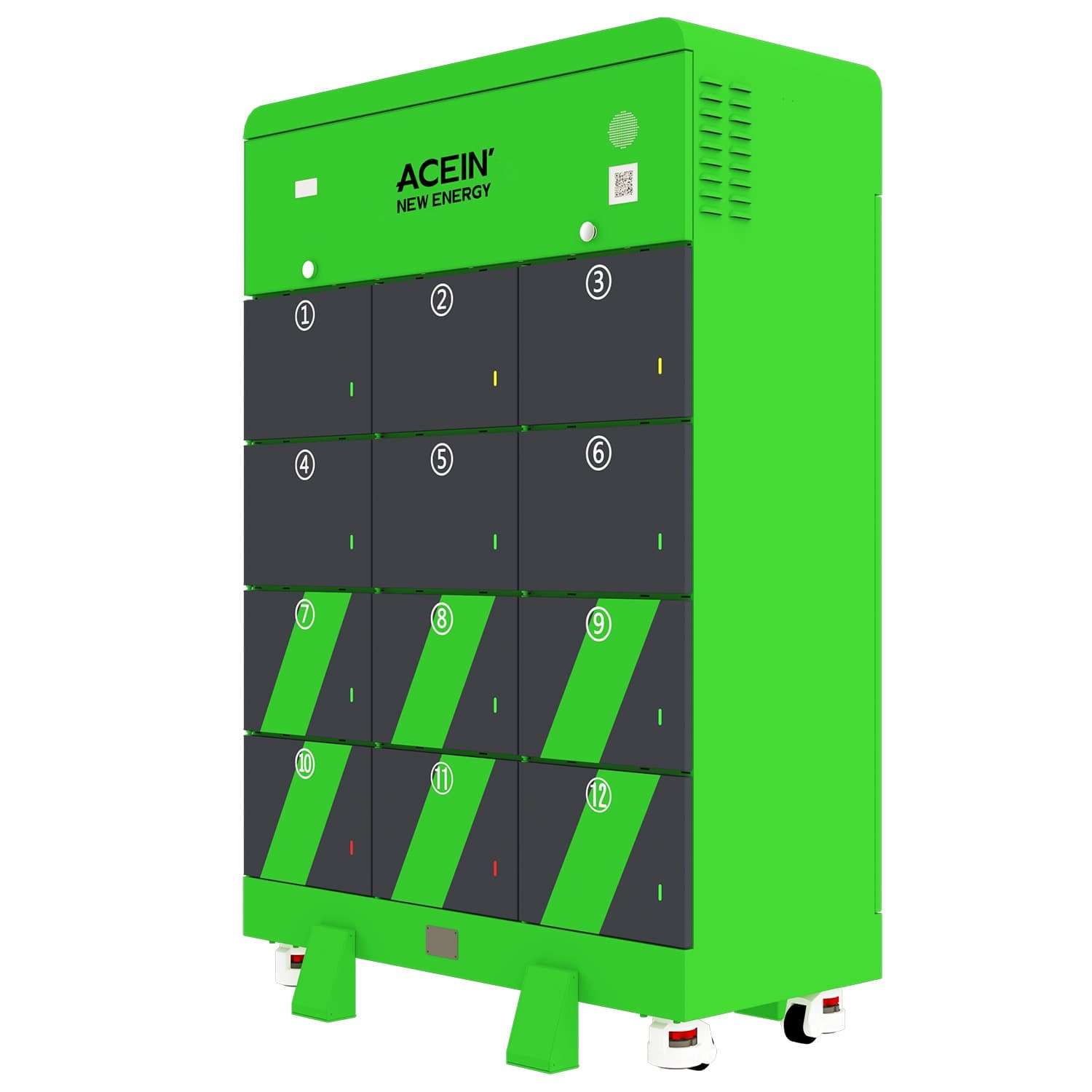
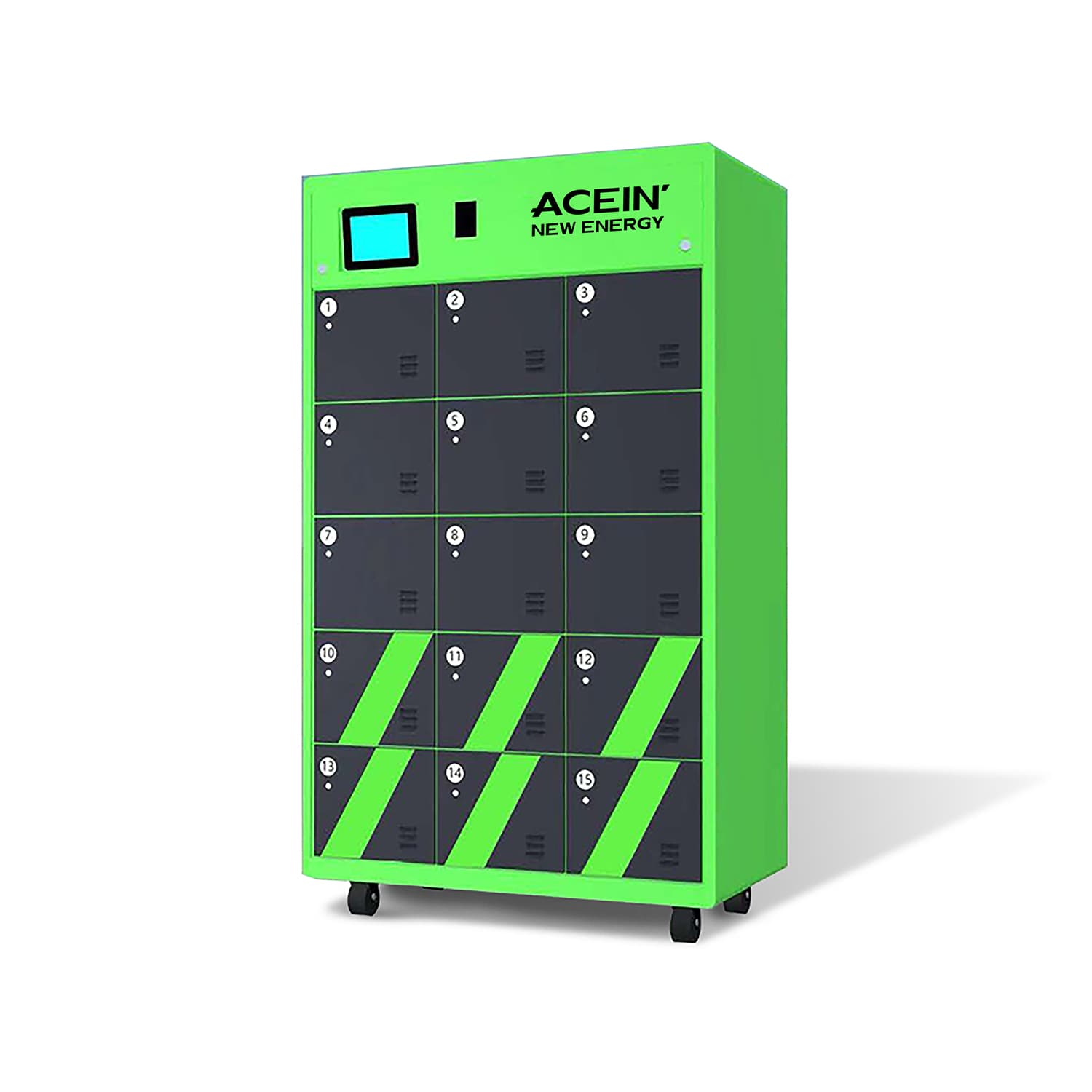
At its core, a battery swap cabinet is a smart, automated vending machine for an electric vehicle battery. Instead of plugging your electric vehicle into a charging station and waiting for hours, the battery swap model allows a driver to pull up to a cabinet, remove their depleted battery, and exchange it for a fully charged one in a matter of seconds. It’s a simple yet profound shift in how we think about energy replenishment for EVs. The entire swapping process is designed for speed and convenience, eliminating the primary pain point associated with electric vehicle ownership.
The swap cabinet typically contains multiple slots, each holding a lithium battery that is either charging, fully charged and waiting, or undergoing a health check. When a user initiates a swap operation, the cabinet identifies their account, unlocks a bay with a charged battery, and allows them to take it. The user then places their depleted battery into an empty slot. Once inside the cabinet, the smart system begins the charging process for the returned battery, optimizing the charge rate to preserve its health and longevity. This cycle ensures a constant supply of ready-to-go batteries.
This battery swap system is more than just a box that holds a battery; it’s an intelligent piece of infrastructure. Each battery and cabinet is connected to a cloud platform that monitors the state-of-charge, temperature, and overall health of every battery pack. This allows for predictive maintenance and ensures that every battery a user receives is safe and performing optimally. The entire system—from the battery itself to the swap cabinet—is designed for a seamless, fast, and reliable user experience.
Why is Battery Swap Technology Gaining Traction Over Traditional EV Charging?
The primary reason battery swap technology is surging in popularity is its incredible efficiency. For commercial operations like food delivery, logistics, and ride-sharing, vehicle downtime is the enemy of profitability. A standard EV charging session can take anywhere from 30 minutes for fast charging to over 8 hours for slow charging. In contrast, a battery swap can be completed in under a minute. This dramatic reduction in waiting time means vehicles and drivers spend more time on the road earning revenue.
Let’s compare the two approaches directly:
| Feature |
Traditional EV Charging |
Battery Swap Cabinet |
| Time Required |
30 minutes to 8+ hours |
Under 60 seconds |
| Infrastructure |
Requires numerous charging pile installations, often with high-power grid connections. |
Centralized swap cabinet can serve many vehicles. |
| Battery Health |
Frequent rapid charging can degrade battery health over time. |
Intelligent charging inside the cabinet optimizes battery lifespan. |
| Operational Impact |
Significant vehicle downtime, complex scheduling. |
Near-zero downtime, “grab-and-go” efficiency. |
| User Convenience |
Tethered to a cable, waiting period. |
Quick, clean, and simple battery exchange. |
Furthermore, the battery swap model addresses “range anxiety” in a fundamentally different way. With traditional charging, a driver’s journey is limited by the battery‘s capacity and the availability of a charging station. With a battery swap network, a driver can confidently operate knowing that a fresh battery is always just a few minutes away. This makes the operation of battery swapping far more akin to a traditional gas station fill-up, a familiar and convenient model that accelerates the transition to electric mobility. This is why this swapping technology is seen as a key enabler for widespread EV adoption.
What are the Core Components of a High-Quality Battery Swap Station?
A reliable and efficient battery swapping station is much more than the external cabinet. It is a sophisticated ecosystem of hardware and software working in harmony. As a manufacturer, we focus on several key components to deliver a robust battery swap station experience. Firstly, the cabinet itself must be built to last. This means a weatherproof, durable enclosure (often with an IP67 rating) to protect the internal components and batteries from the elements. A modular design is also crucial, allowing operators to expand the number of battery slots as their fleet grows.
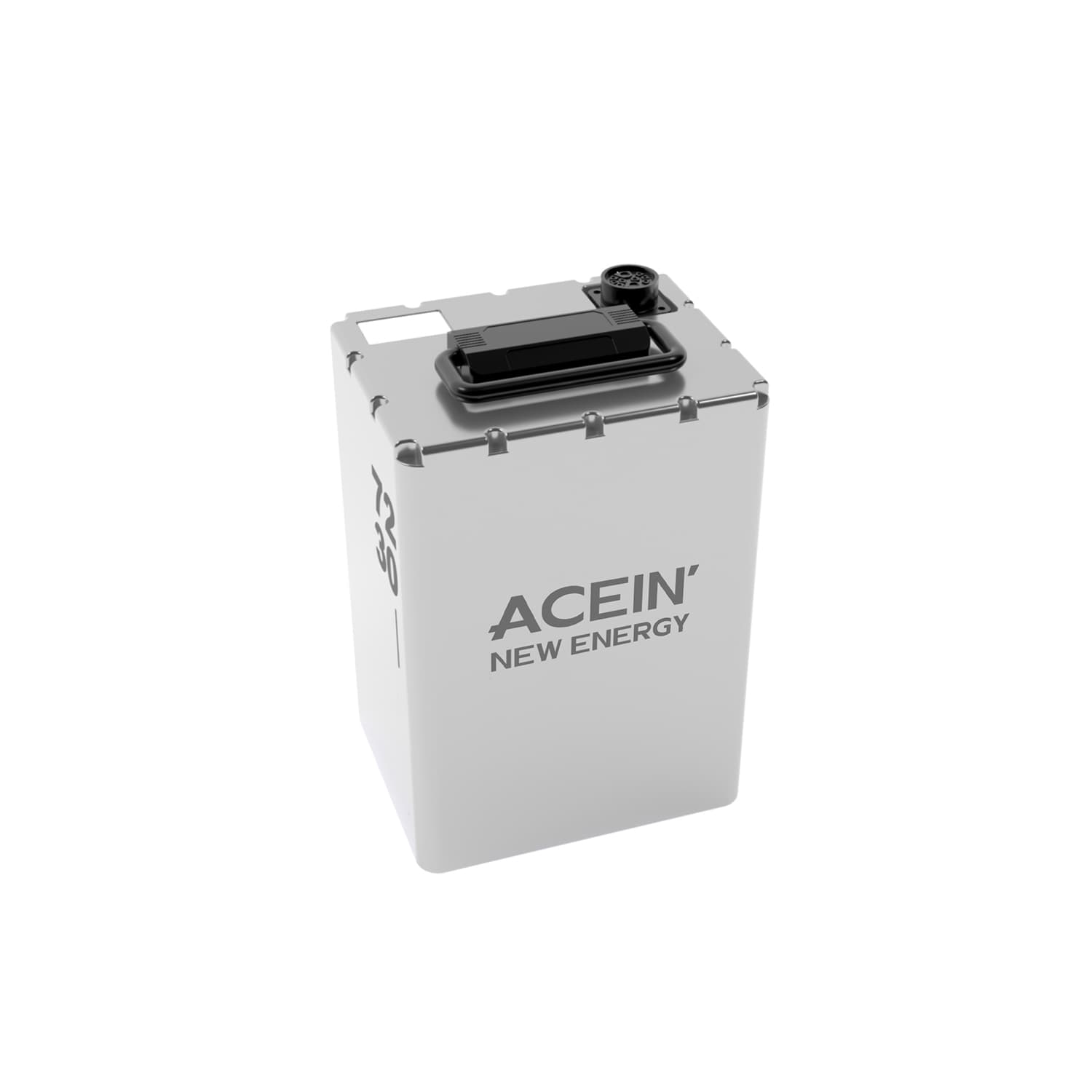
Secondly, the heart of the system is, of course, the lithium-ion battery. A successful battery swap program relies on a standardized, high-performance lithium battery designed for thousands of charge-discharge cycles. These aren’t your typical consumer-grade batteries; they are automotive-grade cells engineered for safety, high energy density, and a long operational life. Each battery pack is equipped with an advanced Battery Management System (BMS) that monitors voltage, current, and temperature to ensure high safety during both use and charging.
Finally, the brain of the operation is the cloud-based management platform. This software connects every battery and every swap cabinet in the network. It allows operators to:
- Track Battery Location: Know where every battery is in real-time.
- Monitor Battery Health: Receive alerts for any potential issues before they become problems.
- Manage Users: Control access and billing for the battery swapping services.
- Optimize Charging: Use data to manage battery charging schedules, often taking advantage of off-peak electricity rates.
This comprehensive system ensures that the entire process of battery swapping is safe, efficient, and economically viable.
How Does a Battery Swap Network Improve Electric Mobility for Fleets?
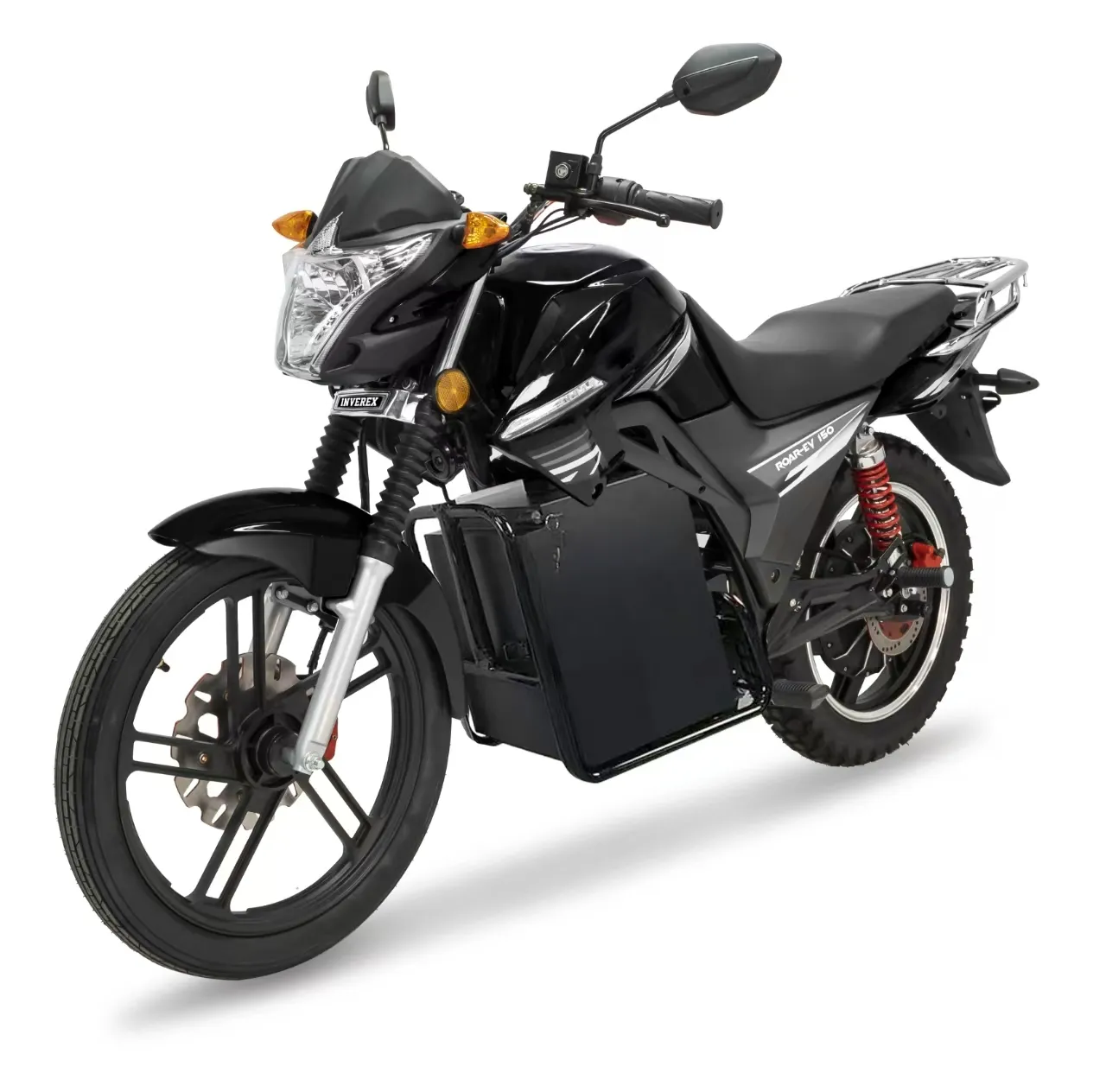
For a single user, a battery swap is a convenience. For a commercial fleet, a battery swap network is a paradigm shift. Imagine a city dotted with dozens of battery swap cabinet locations. A delivery driver on an electric motorcycle can start their day with a fully charged battery, make their rounds, and when the battery begins to deplete, they can use an app to find the nearest swap cabinet. In less than a minute, they swap battery packs and are back on their route. There is no need to return to a central depot for a lengthy charging session.
This network approach creates tremendous operational efficiencies for electric vehicle fleets. It decentralizes the refueling process, allowing for more flexible routes and longer operating hours. A battery swap network effectively gives each vehicle in the fleet an unlimited range. This is particularly transformative for last-mile delivery and urban logistics, where route density is high and time is of the essence. The ability to perform a rapid battery replacement anywhere in the service area is a competitive advantage.
Moreover, a centralized swapping system simplifies battery management for the fleet operator. Instead of managing the health and charging of hundreds of individual vehicle batteries, the operator relies on the intelligence of the battery swap provider. The system ensures every driver gets a healthy, safe, and fully charged battery every time. This model, often called Battery-as-a-Service (BaaS), transfers the responsibility of battery ownership and maintenance to the network operator, reducing the upfront capital expenditure for the fleet owner and guaranteeing battery performance.
Are All Batteries Compatible with a Swap Cabinet?
This is a critical question and highlights one of the key challenges and opportunities in the battery swap industry: standardization. The simple answer is no; you cannot use just any electric motorcycle battery in a given swap cabinet. For a battery swap system to function, both the battery and the cabinet must be designed to work together perfectly. The physical dimensions, connectors, and communication protocols must match exactly.
This has led to the development of proprietary ecosystems where a provider, like my company Power GoGo, offers a complete solution: the electric vehicle, the standardized swappable battery, the battery swap cabinet, and the software platform. This ensures perfect compatibility and a seamless user experience. The goal is to create a unified battery standard for a specific class of vehicles, such as light electric vehicles (LEVs) like scooters and motorcycles. By controlling the entire technology stack, we can ensure that the battery meets our stringent safety and performance requirements.
While some see this lack of universal standardization as a drawback, it is currently necessary to guarantee safety and reliability. A poorly designed battery or an incorrect charging algorithm could lead to a catastrophic failure. In the B2B space, where our clients rely on our technology for their core business, there is no room for error. A closed-loop, comprehensive and efficient system from a single one-stop battery swapping solutions supplier provides the accountability and quality control that businesses demand. The industry is moving towards broader standards, but for now, integrated solutions provide the highest level of performance.
How Does Advanced Swapping Technology Ensure Safe and Intelligent Charging?
Safety is the absolute number one priority in any lithium battery system. A battery swap cabinet is not just a passive storage box; it is an active charging system designed with multiple layers of protection. When a depleted battery is placed into the exchange cabinet, it initiates a “digital handshake.” The cabinet‘s internal controller communicates with the battery‘s BMS to verify its identity and health status. It checks for any fault codes, temperature anomalies, or voltage imbalances before initiating a charge.
This process enables intelligent charging. Unlike a simple wall charger, the swap cabinet can tailor the charging profile to the specific needs of each battery. It monitors the battery in real-time and adjusts the current and voltage to maximize charging speed while minimizing heat and stress, which significantly extends the battery‘s lifespan. Furthermore, the cabinet itself is equipped with its own safety systems, including:
- Temperature Control: Fans and cooling systems to maintain an optimal internal environment.
- Fire Suppression: Automated systems that can be deployed in the extremely rare event of a thermal incident.
- Electrical Protection: Safeguards against over-voltage, short circuits, and power surges from the grid.
This focus on safe charging is non-negotiable. Companies like ours, and others in the space like TYCORUN Energy, invest heavily in R&D to ensure that every aspect of the charging and swapping process meets the highest international safety standards. The combination of a smart battery and a smart cabinet creates a closed-loop system that is far safer than many consumer-grade charging methods.
What Are the Key Advantages of an Integrated Charging and Swapping System?
An integrated swapping system offers benefits that go far beyond just speed. When the vehicle, battery, and swap cabinet are designed as a single ecosystem, it unlocks a new level of efficiency and control. One major advantage is optimized energy storage. The system can be programmed to recharge the batteries in the cabinet during off-peak hours when electricity is cheapest, significantly lowering the operational cost for the fleet manager. This turns the swap cabinet into a smart grid asset.
Another key advantage is data. A fully integrated system collects a wealth of information on battery performance, vehicle usage patterns, and user behavior. This data is invaluable for predictive maintenance. For example, the system might detect that a specific battery is starting to degrade faster than others and automatically flag it for service, preventing a potential failure in the field. This proactive approach to asset management is something that is simply not possible with a collection of disparate, unconnected components from different vendors.
This integration is what enables a true BaaS (Battery-as-a-Service) model. The client isn’t just buying a cabinet battery system; they are buying an uptime guarantee. They pay a subscription fee, and the provider manages everything—the power supply, battery health, maintenance, and technology upgrades. This provides cost predictability and allows the business to focus on its core operations, not on becoming a battery management expert. The convenience of battery swapping is maximized through this holistic approach.
How is Battery Swapping a More Sustainable Energy Storage Solution?
The sustainability of EVs is a major selling point, and battery swap technology enhances these green credentials in several important ways. Firstly, it promotes better battery health and longevity. By controlling the charging environment within the swap cabinet, we can avoid the detrimental effects of constant, uncontrolled fast charging. This slower, more managed charging efficiency can extend the useful life of a battery by 20-30% or more, reducing the need to manufacture new batteries and minimizing waste.
Secondly, a network of battery swap stations acts as a distributed energy storage system. This creates opportunities to better integrate renewable energy sources like solar and wind into the grid. The swap cabinet can be configured to charge its batteries primarily when there is an abundance of clean energy available. This helps to balance the grid, reducing the reliance on fossil-fuel “peaker” plants. The cabinet battery becomes a crucial component of the new energy ecosystem.
Finally, the battery swap model facilitates the “second life” of an EV battery. Once a battery‘s capacity degrades to a point where it is no longer suitable for vehicle use (typically below 80%), it can still be used for less demanding stationary energy storage applications. In a battery swap network, these aging batteries can be easily identified and repurposed, creating a circular economy that maximizes the value extracted from every lithium-ion battery cell. This approach to sustainable energy is far more efficient than managing the end-of-life for a traditional battery permanently fixed inside a vehicle.
What are the Future Trends for Electric Vehicle Battery Swapping?
The world of EV battery swapping is just getting started, and the future trends are incredibly exciting. We are seeing a major push towards automation. The next generation of battery swap station designs, sometimes called an exchange station, will feature robotic arms that can perform the entire swap automatically. A driver will simply park their vehicle in a designated bay, and the machine will handle the entire battery with a fully charged replacement process. This will make the experience even faster and more effortless.
Another major trend is the integration of Artificial Intelligence (AI) and machine learning. Future swapping system platforms will use AI to predict demand. They will analyze traffic patterns, weather, and local events to ensure that each battery swap cabinet is pre-stocked with the right number of charged batteries to meet anticipated needs. This will improve network efficiency and guarantee that a user never arrives at a station swap to find it empty.
Finally, we will see greater integration with vehicle-to-grid (V2G) technology. The batteries sitting in the swap cabinet represent a significant storage system. V2G will allow these batteries to not only draw power from the grid but also sell it back during times of high demand. This transforms the battery swap station from a simple charging solution into an active participant in stabilizing the local power grid, creating a new revenue stream for the network operator and a more resilient energy infrastructure for everyone.
How Can Your Business Implement an Efficient Battery Swapping Solution?
For a business owner like Mark Davis, who values quality and efficiency, adopting a battery swap model for a fleet of light electric vehicles is a strategic move. The first step is to partner with an experienced provider that offers a complete, end-to-end solution. You need more than just hardware; you need a partner who understands the operational complexities of fleet management and can provide the software and support to ensure success. Look for a company with a proven track record in lithium battery manufacturing and swapping technology.
Next, conduct a pilot program. Start with a small number of vehicles and one or two strategically placed battery swap cabinet installations. This allows you to test the system in your real-world operating environment, gather data, and get feedback from your drivers. This initial phase is crucial for understanding your specific usage patterns and determining the optimal number and placement of future swap cabinet locations as you scale up.
Finally, embrace the data. A modern EV battery swapping station provides a torrent of useful information. Use the analytics from the management platform to optimize your routes, manage your drivers, and make informed decisions about your fleet’s expansion. The right public charging cabinet battery swap system is not just an operational tool; it’s a business intelligence engine. By choosing a robust and intelligent charging cabinet solution like an intelligent 12 Slolts Battery Swapping Cabinet, you can unlock new efficiencies and future-proof your delivery or logistics operations.
Key Takeaways to Remember
- Speed is the Killer App: Battery swap technology reduces vehicle refueling time from hours to under a minute, drastically increasing operational efficiency for commercial fleets.
- It’s a System, Not Just a Product: A successful battery swap solution involves an integrated ecosystem of standardized batteries, intelligent swap cabinets, and a powerful cloud management platform.
- Safety is Paramount: High-quality battery swap systems use multiple layers of hardware and software protection to ensure safe charging and reliable battery health.
- Reduces Total Cost of Ownership: By optimizing battery life, lowering electricity costs through smart charging, and minimizing vehicle downtime, the battery swap mode offers a superior long-term economic advantage.
- Sustainability is Built-In: Battery swapping extends battery life, facilitates the integration of renewable energy, and enables a circular economy through second-life applications.
- The Future is Automated and Intelligent: The next wave of swapping technology will incorporate robotics and AI to create an even more seamless and efficient user experience.