Time is the most expensive thing you own. As a fleet manager, you watch the clock every day. You know that every hour an electric vehicle sits plugged into a wall is an hour it is not making money. My name is Alex Taylor, and I have spent over 14 years at Power GoGo manufacturing lithium battery solutions. I have seen the struggle of electric two-wheelers trying to keep up with gas vehicles. The solution is not faster plugs; it is the battery swap.
This article is worth reading because it explains the machinery that changes everything: the battery swap cabinet. We will look at how an intelligent battery network works, why it is safer than traditional charging, and how it can double the efficiency of your fleet. We will explore why many are starting to use battery swapping technology and compare market options like the Tycorun battery swap to help you make the best choice.
What is a Battery Swap Station and How Does It Work?
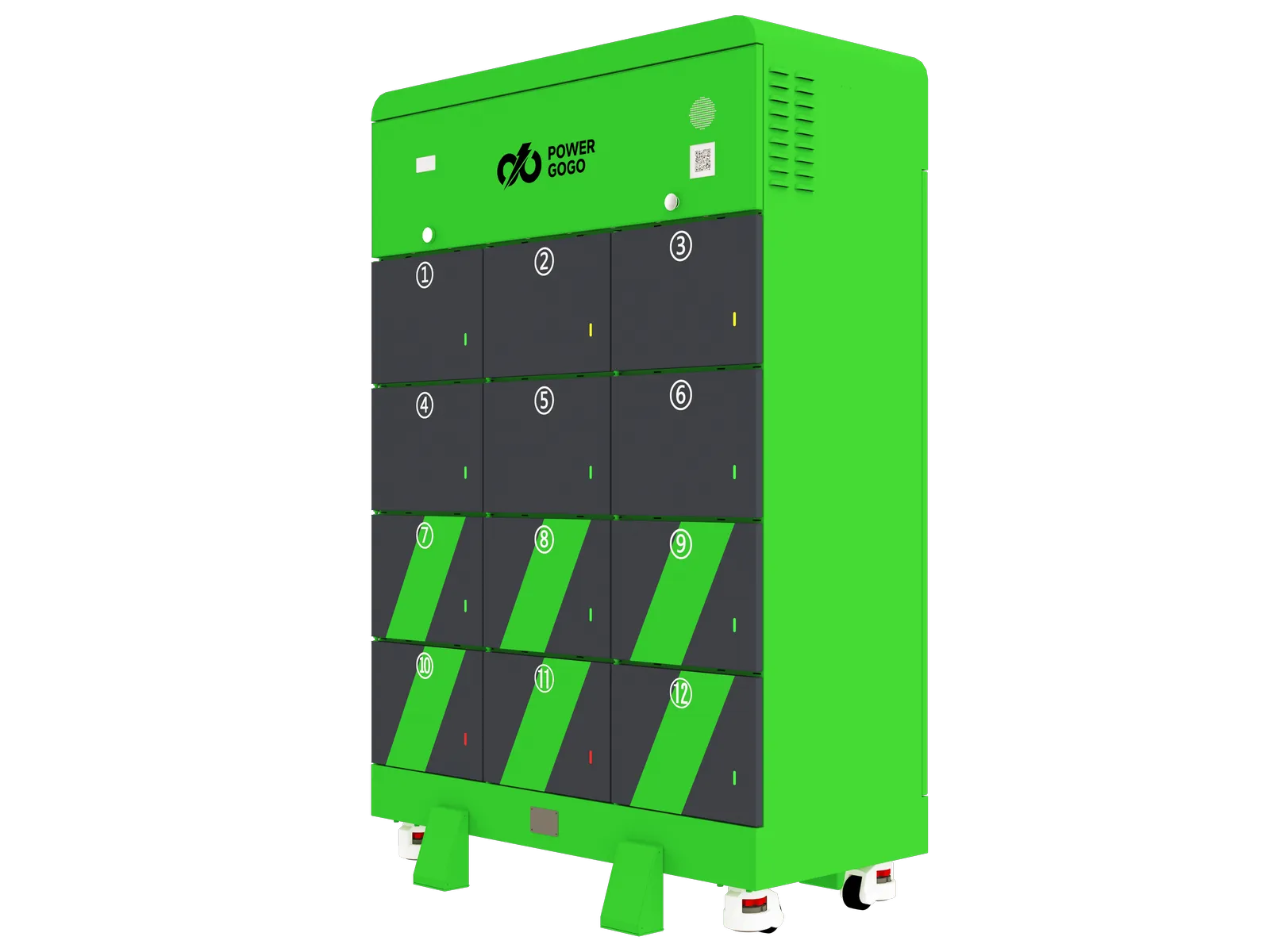
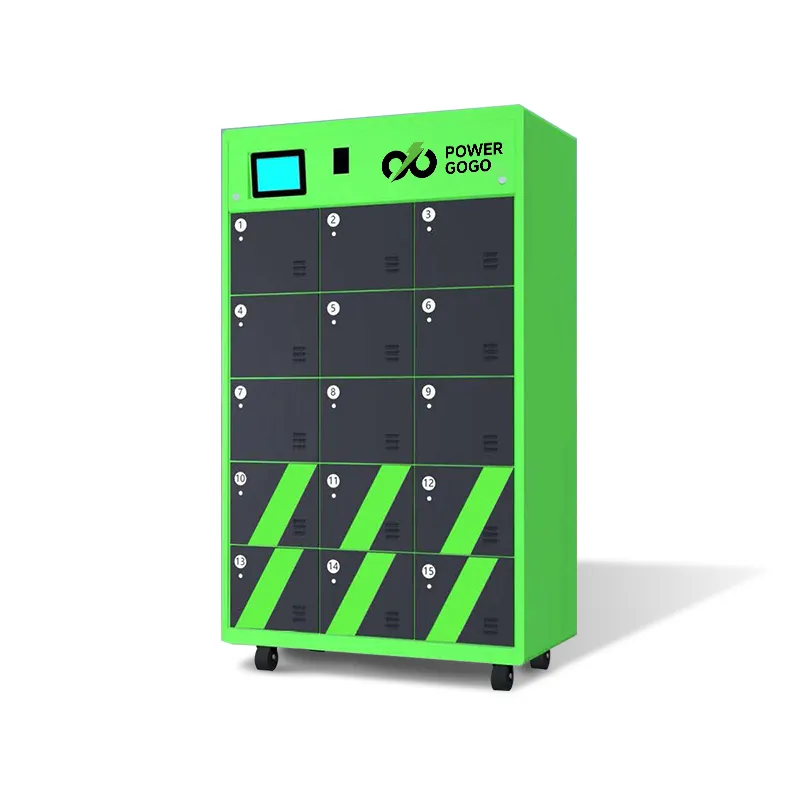
A battery swap station is like a vending machine for energy. Instead of buying a snack, you are getting a power source for your vehicle. The core of this station is the battery swap cabinet. This cabinet is a secure, metal unit with multiple slots designed to hold and charge lithium batteries. The battery swapping process is incredibly simple and fast, designed for the busy rider.
First, the rider arrives at the exchange station. They use a mobile app to scan a QR code on the cabinet. A door pops open. The rider will remove the battery from their electric vehicle—usually a depleted battery—and insert the battery into the battery slot. The cabinet locks it in and checks its health. Once the safety check is done, another door opens containing a fully charged battery. The rider takes the new battery, puts it in their bike, and drives away. The user can complete the battery swapping in less than one minute.
Why Choose a Battery Swap Cabinet Over Traditional Charging Stations?
The traditional charging method has a major flaw: it takes too long. Even at charging stations with “fast” chargers, you are waiting. For a courier or a delivery driver, waiting is losing money. A battery swap cabinet eliminates this wait. The cabinet creates an efficient and convenient workflow where the energy is ready before you even arrive.
Furthermore, a battery swap station takes up much less space than charging stations. To charge 20 bikes at once with plugs, you need a large parking lot and many outlets. A single exchange cabinet takes up about one square meter but can serve hundreds of riders a day. It acts as a shared energy supply. By using a smart battery swap cabinet, you reduce the need for parking space and expensive electrical infrastructure at your depot.
How Does the Intelligent Battery Ensure Safety and Reliability?
Safety is our top priority at Power GoGo. We don’t just put any battery in a box. We use an intelligent battery system. Each battery has a smart computer inside called a BMS (Battery Management System). When you put a battery in the battery slot, the cabinet talks to the BMS. It checks for issues like high temperature or a short circuit.
This monitoring of battery health happens in real-time. If the cabinet detects an old battery or a damaged one, it locks it away so no one else can use it. This ensures the reliability of the battery for every user. The cabinet also manages the charging process carefully. It will automatically charge the battery using the best charging mode to prevent overheating. This level of safety and reliability is hard to achieve when riders charge batteries at home with cheap cables.
What Types of Electric Vehicle Batteries Are Compatible?
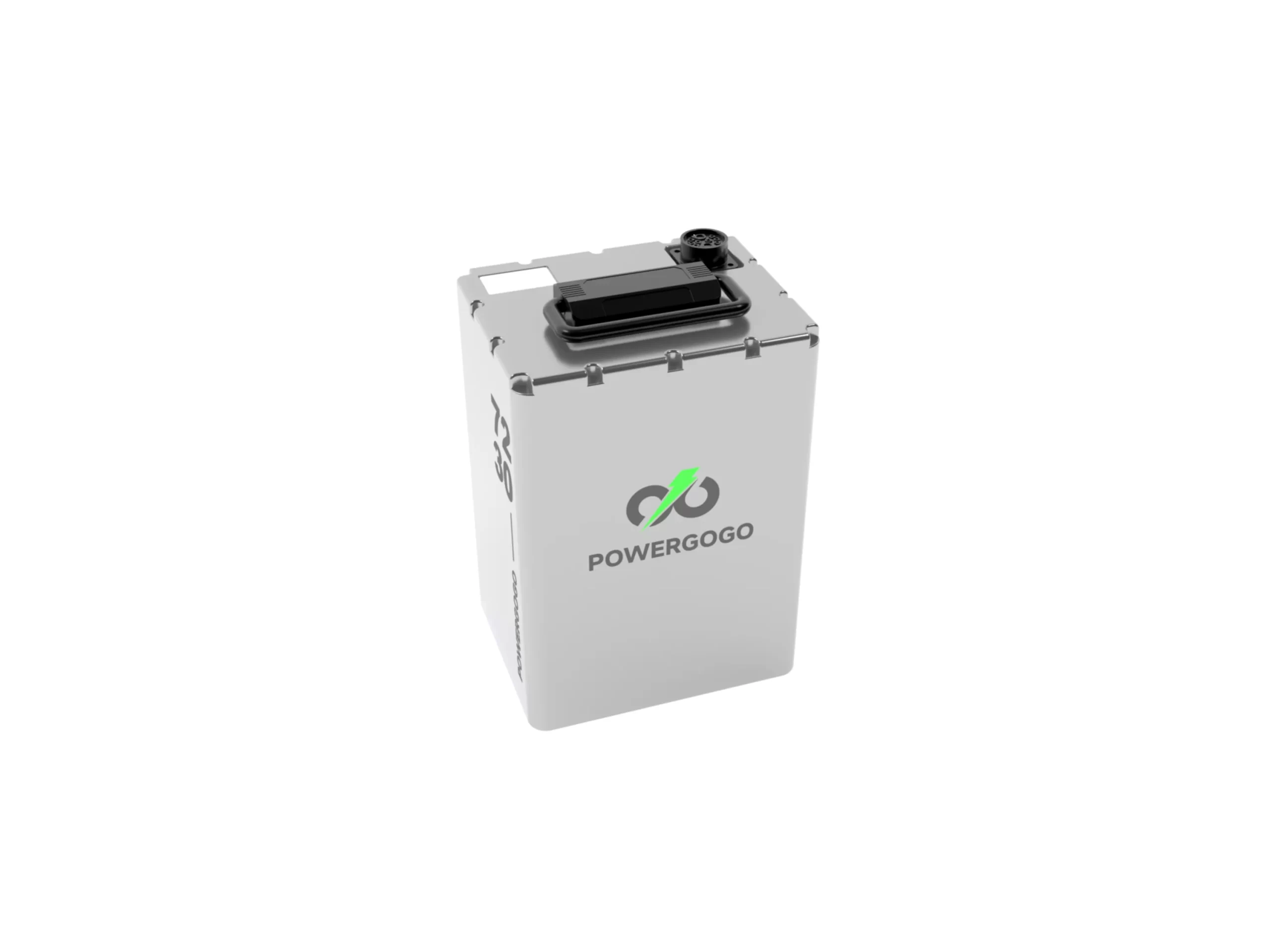
Not all electric vehicle batteries are the same. A battery swap cabinet is usually designed for specific, standardized lithium batteries. These are typically 48V, 60V, or 72V packs used in electric two-wheelers. The battery must have a specific shape and charging interface to fit into the cabinet.
This standardization is key. It makes the battery swappable across different vehicles. For example, a 72V40Ah Swappable Battery might fit a heavy-duty delivery scooter, while a smaller lithium pack fits a commuter bike. We design our electric vehicle batteries to be robust. They have to handle being moved and swapped thousands of times. The cabinet acts as a universal dock for these standardized packs, ensuring a perfect connection every time you replace the battery.
Is the Battery Swap Model Suitable for Every Electric Motorcycle and Scooter?
The battery swap model is perfect for electric two-wheelers and electric bicycles. These vehicles use light, portable batteries that a human can easily lift. An electric motorcycle used for city commuting or food delivery is the ideal candidate. The rider can easily lift the battery from the electric bike and place it in the cabinet.
However, for a large electric car, the battery is too heavy to lift by hand. Electric vehicle battery swapping for cars requires expensive, robotic mechanical equipment. Therefore, the trend of battery swapping is growing fastest in the two-wheeler market. For electric scooters and commercial fleets, the manual battery exchange at a cabinet is the most efficient business solution available today.
How Do Lithium Batteries Benefit from Controlled Charging in a Cabinet?
Lithium batteries are sensitive. If you charge them too fast or get them too hot, their service life drops. Battery maintenance is difficult when every driver charges their own bike differently. A smart battery swap cabinet solves this through centralized management.
The cabinet provides a stable environment. In cold regions, the cabinet can warm up the battery before charging. In hot weather, fans cool it down. This controlled charging mode significantly extends battery life. The management of the battery is taken out of the user’s hands. The cabinet ensures that every lithium cell is balanced and healthy. This reduces the maintenance costs for the fleet owner because you buy fewer replacement batteries over time.
Vehicle Battery Swap vs. Fast Charging Stations: Which Wins on Efficiency?
Let’s compare a vehicle battery swap against fast charging stations. Even a “supercharger” for an electric car or bike takes 30 to 60 minutes to get a full charge. A battery swap station takes 60 seconds. In the logistics industry, this difference is huge.
If you have 100 vehicles, saving an hour per vehicle per day equals 100 extra hours of delivery time. That is massive. Fast charging stations also put a huge strain on the power grid because they pull a lot of electricity all at once. A battery swap cabinet charges batteries slowly and steadily. It can even act as energy storage, charging up at night when electricity is cheap and dispensing power during the day. For fleet efficiency, the swap wins every time.
What is the Future Development of Electric Vehicle Battery Swapping?
The electric vehicle industry is betting big on swapping. The future development points toward more integration. We will see more electric motorcycle brands designing their bikes specifically for shared battery swap cabinet networks. We will see smarter cabinets that use AI to predict how many batteries are needed at a specific location.
We also see a future in battery recycling. Because the cabinet tracks every battery, we know exactly when a battery is too old for a vehicle. We can then pull it out for recycling or use it for home energy storage. The new energy ecosystem will be circular and sustainable. The rapid battery exchange model will become the standard for urban mobility and ride-hailing fleets globally.
How Does a Battery Swap Station Optimize Fleet Management?
Using a battery swap station gives you data. The smart battery inside the cabinet is constantly sending data to the cloud. As a manager, you can see the location of every battery. You can see which drivers are using the most energy. You can track the number of electric vehicles active in your fleet in real-time.
This helps with battery management. You don’t have to guess when to buy new batteries. The system tells you. It also prevents theft. Since the battery communicates with the network, a stolen battery can be remotely disabled. This monitoring of battery assets allows you to run a tighter, more profitable operation. You can focus on your business, while the cabinet handles the energy supply.
Tycorun Battery Swap vs. Power GoGo: Choosing the Right Partner.
You may have heard of Tycorun battery swap solutions. Tycorun battery swap is one of the players in the market. When choosing a partner, you must look at the complete the battery ecosystem. Some suppliers just sell a battery; others just sell a cabinet.
At Power GoGo, we provide a complete solution: the battery swap cabinet, the swappable lithium batteries, and the software platform. Whether you compare us to Tycorun battery swap or others, ensure your partner offers an intelligent battery system that is IP67 waterproof and capable of new battery integration. We focus on electric two-wheeled vehicle solutions that are robust enough for international markets like the USA and Indonesia. Choosing a supplier who understands the battery exchange station as a holistic business tool is critical for your success.
Key Takeaways to Remember
- Speed is King: A battery swap cabinet lets you replace the battery in under a minute, beating any fast charging stations.
- Space Saver: A cabinet takes up very little room compared to a lot full of chargers, making it ideal for cities.
- Safety First: The smart battery swap cabinet monitors for short circuit and overheating, ensuring a safe charging process.
- Longer Life: Controlled charging in the cabinet extends the service life of your lithium batteries.
- Two-Wheeler Focus: The model is perfect for electric scooters and electric two-wheelers where the battery is light enough to lift.
- Data Power: Real-time monitoring helps you manage your fleet and battery maintenance costs effectively.
- Choose Wisely: Compare options like Tycorun battery swap but prioritize a complete, integrated battery swapping technology provider like Power GoGo.