Running a high-efficiency fleet, an RV, or an off-grid system means you cannot afford downtime. In the past, heavy and slow-charging power sources were the only option. Today, the world is moving fast. Upgrading your energy source is the easiest way to cut maintenance costs, reduce weight, and guarantee that your vehicles keep moving.
Why should you care? Because the technology powering your equipment directly affects your profit margins. This guide breaks down the core differences between old-school lead acid technology and modern lifepo4 batteries. You will learn exactly why operations directors are making the switch to ensure a longer lifespan and maximum return on investment.
What makes a lithium battery better than traditional lead acid?
For decades, the industry relied on heavy power units. We all know the drill with traditional lead-acid batteries: they are heavy, they require constant maintenance, and they degrade quickly if you drain them too far. When you switch to a modern battery, everything changes.
First, let’s talk about usable capacity. A standard lead acid unit only lets you use about 50% of its power before it starts taking damage. Unlike lead-acid, a lithium battery lets you use almost 100% of its energy. This means a single 100ah lithium battery gives you twice the real-world power of a lead acid unit of the same size. You get massive energy in a smaller space.
Furthermore, lithium batteries weigh about half as much as the old models. For a delivery scooter or a marine vessel, dropping that much weight improves your speed and efficiency. It is the ultimate energy storage upgrade.
How do lithium-ion batteries compare to LiFePO4?
You hear a lot of buzzwords in the power industry. “Lithium-ion” and “LiFePO4” are thrown around a lot. But they are not exactly the same thing. Lithium-ion batteries (like the ones in your smartphone) are great because they are very light. However, for large fleets, another battery chemistry is taking over: LiFePO4, also known as lithium iron phosphate.
Lfp technology is a specific type of lithium. Why is it preferred? Because it is much safer. A standard lithium-ion unit can get very hot under extreme stress. But lifepo4 batteries are incredibly stable. They do not overheat and are not prone to thermal runaway, making them the safest choice for bumpy roads or hot environments.
Every single battery cell inside a lifepo4 unit is designed for rugged use. Whether you need a simple 12v setup or a complex 36v system, this specific lithium chemistry provides peace of mind that your assets are protected.
Why are RV owners and fleet managers upgrading to lithium batteries?
If you manage an rv park, a fleet of electric scooters, or an off-grid cabin, you need reliable power. When you are miles away from civilization, a dead battery is a disaster. This is why the shift to lifepo4 lithium batteries is happening so rapidly.
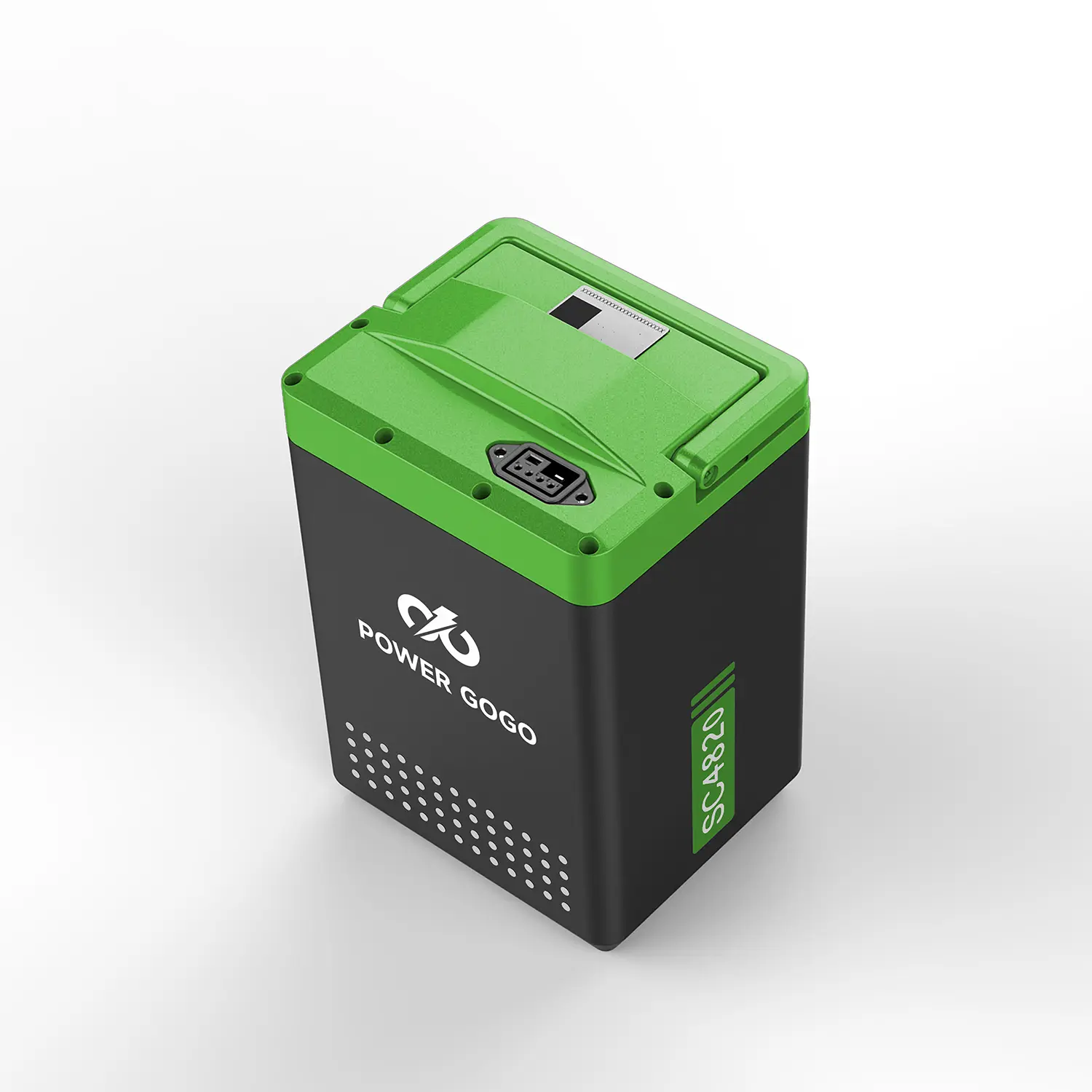
With old flooded batteries, you had to check water levels constantly. A modern 12V20Ah Swappable Battery or a larger 24v battery requires zero maintenance. You just plug it in and let it run. This “install and forget” nature saves hundreds of hours of labor over the year.
Additionally, these units handle high voltage demands beautifully. If you need to run a microwave in a camper or power an inverter for heavy tools, a lithium battery delivers consistent power without the voltage dropping off suddenly like it does in a lead acid setup.
Space is money. In a small scooter chassis or a cramped camper van compartment, you cannot waste an inch. Modern battery packs are marvels of engineering. By using advanced materials, engineers can pack incredible amounts of energy into a tiny battery box.
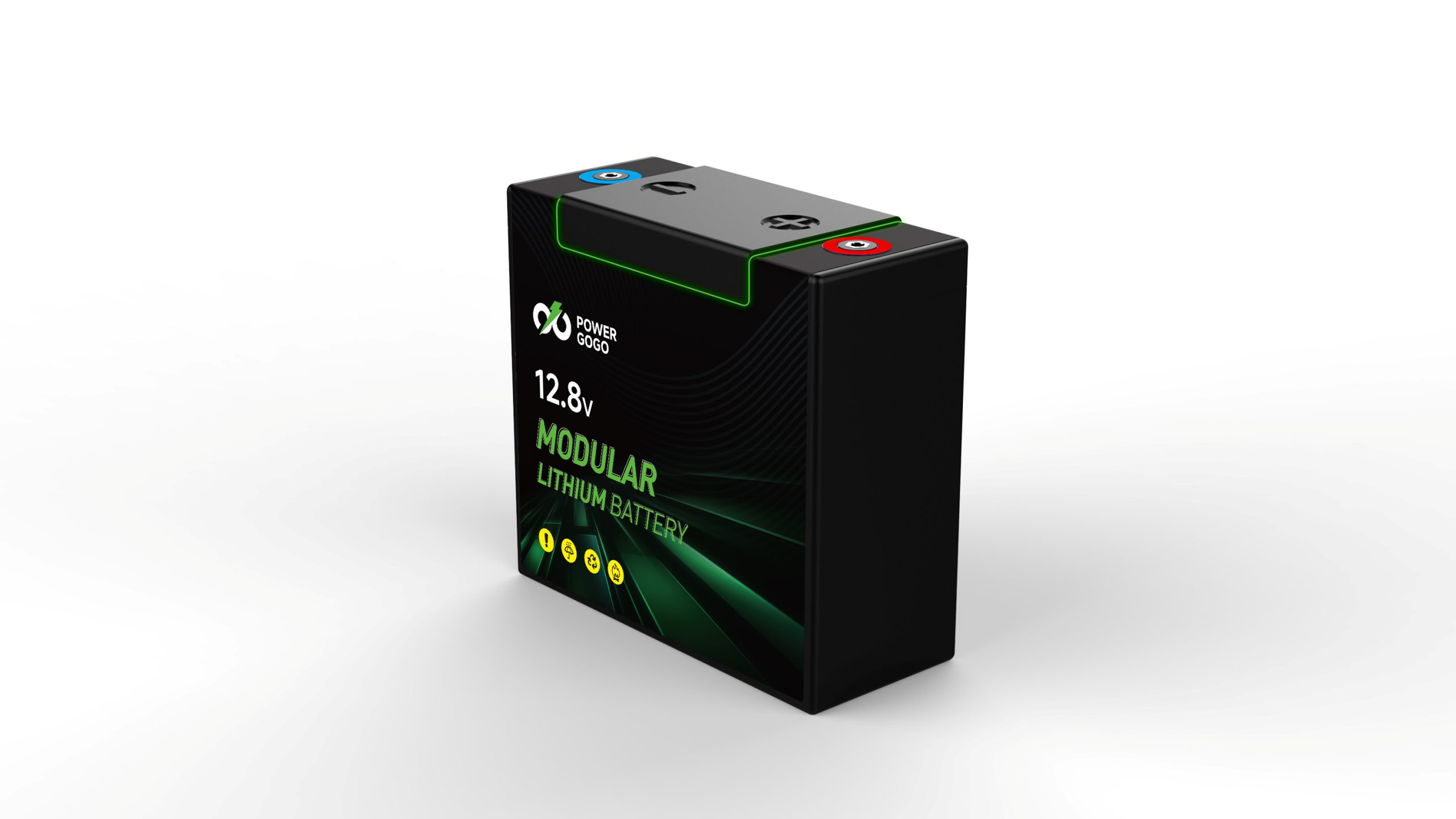
For example, an old 100ah battery made of lead took up a huge amount of room and required two people to lift. Today, a 12v 100ah lifepo4 battery is light enough to carry with one hand. It slides easily into tight spaces.
This compact nature allows fleet managers to double their capacity. Instead of one heavy unit, you can install two 12v 100ah lithium units in the same space, drastically increasing the range of your vehicles before they need to head back to base to recharge.
Is the cost of lithium batteries justified over lead acid?
Let’s address the elephant in the room: the initial price tag. Yes, when you look at the shelf, batteries cost more if they say “lithium” on the side. But looking only at the upfront cost is a trap. You have to look at the lifespan.
A typical lead acid unit, even heavy agm batteries, will last about 300 to 500 cycles before reaching their end of life. A lifepo4 battery, on the other hand, easily lasts 3,000 to 6,000 cycles. You would have to buy five or six lead acid batteries to match the life of one lithium battery.
When you calculate the labor to replace them, the fuel spent driving out to swap them, and the cost of lithium batteries, the math is clear. Lithium offers a dramatically lower total cost of ownership over a five-year period.
| Feature |
Lead Acid Batteries |
LiFePO4 Lithium Batteries |
| Lifespan |
300 – 500 Cycles |
3,000 – 6,000 Cycles |
| Usable Capacity |
50% |
95% – 100% |
| Weight |
Very Heavy |
Lightweight (50% less) |
| Maintenance |
High (water checks) |
Zero Maintenance |
What role does a BMS play in protecting a lithium battery?
A battery is only as smart as its brain. Modern lithium batteries feature built-in battery management systems (BMS). A bms is a tiny computer inside the case that watches over every aspect of the unit’s health.
If you accidentally leave the unit plugged into the charger too long, the battery management system steps in. It will cut off the power to prevent an overcharge. It also monitors the temperature. Some advanced units even include a self heating lithium function so they can charge safely in freezing weather!
You can often connect to a bluetooth lithium battery using your phone. This lets you check the state of charge and exact voltage without touching a single wire. No standard lead-acid technology offers this level of control and protection. For large applications, such as a 48V50Ah Iron Lithium Swappable Battery, a strong bms is the key to longevity.
How does deep discharge affect a lithium battery vs lead acid?
How you drain your power matters. “Discharge” is the process of pulling power out. A lead acid unit absolutely hates a deep discharge. If you drain an agm unit completely flat, you will permanently damage it. It is simply not meant for true deep cycle use.
A 12v lifepo4 unit is entirely different. You can run a lithium battery down to 5% without hurting it. This means your drivers don’t have to panic if their gauge gets low. They can safely complete their route.
Because they handle deep discharge so well, lithium batteries perform exceptionally well in heavy-duty environments. Whether powering a massive 48v golf cart fleet or a critical medical cart, they give you every last drop of power safely.
Can I use a standard charger designed for lead-acid on lithium-ion batteries?
This is a very common question. Can you just swap the battery and use your old gear? Generally, no. Lithium batteries require specific charging profiles. A charger that is designed for lead-acid will not provide the correct voltage curve.
To get a full charge, a lithium battery needs a steady, strong flow of power. If you use an old charger, it might stop charging early, thinking the unit is full. To keep the battery charged correctly and safely, you must use a lithium-specific charger.
The good news? Because they accept power much faster, you will experience faster charging. You can fully charge a massive lithium unit in a fraction of the time it takes to charge a standard car battery.
How does a battery system integrate with solar systems and pv setups?
If you want to harness solar power, a battery system is required to hold the energy for nighttime use. When you set up solar systems, your solar panel (or pv array) catches the sun. That power runs down a wire into a controller.
A smart charge controller ensures the power entering the battery bank is smooth. A lithium battery is brilliant for this application. It accepts stored energy rapidly. If a cloud passes over, and the sun peaks out for just an hour, the lithium unit will grab and hold that power instantly. Old lead-acid batteries charge too slowly to capture those quick bursts of sun.
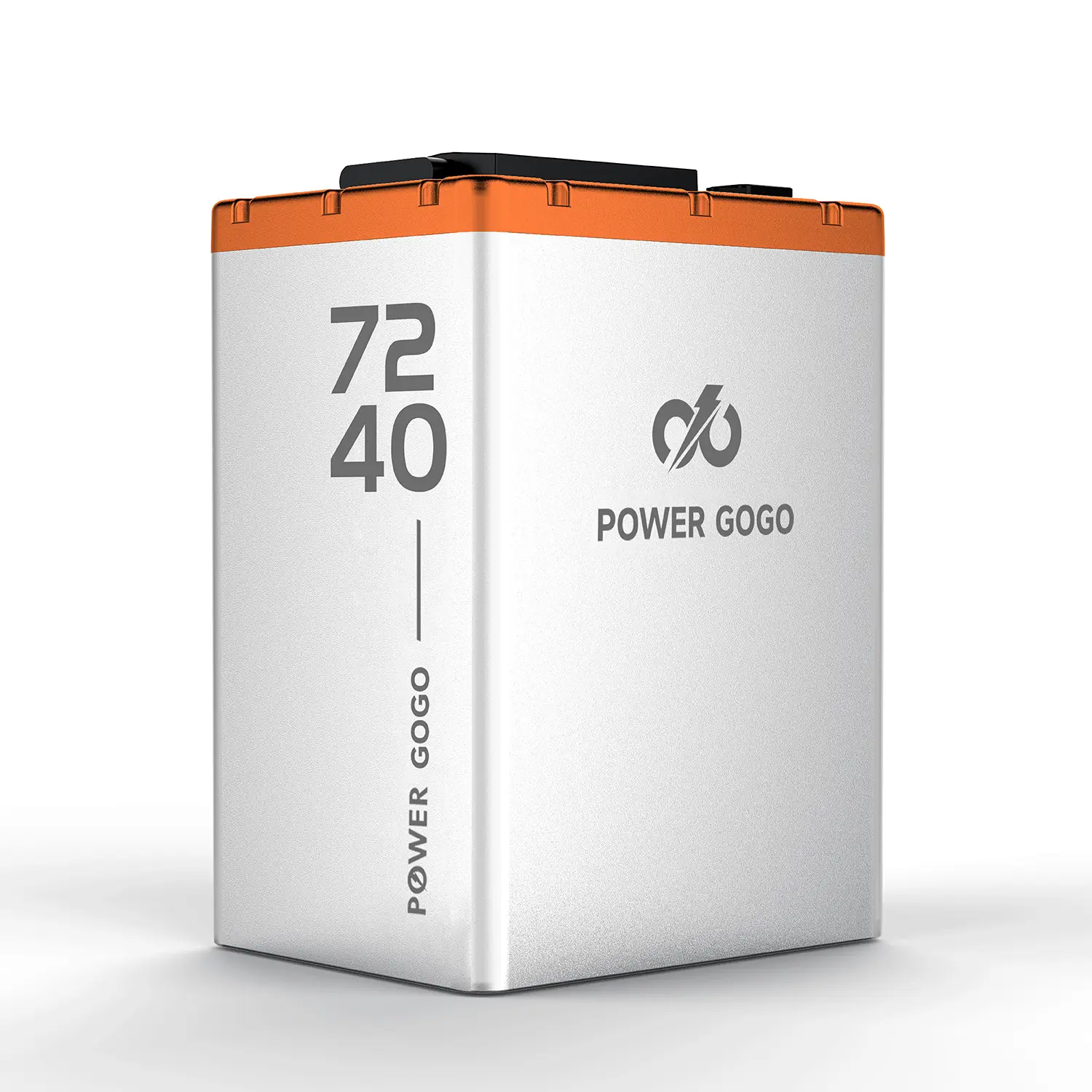
Whether you are building an off-grid cabin or a massive home battery setup, integrating ahigh-capacity 72V40Ah Swappable Battery into your pv system guarantees that you can quickly recharge and access your power when the sun goes down.
What is the future of lithium chemistry for backup power?
The world is demanding more power, and we need it to be clean and reliable. For backup power in hospitals, data centers, and telecommunications towers, lithium-ion and lifepo4 have already won the war. The days of rooms filled with dangerous, off-gassing lead units are over.
As technology improves, we are seeing even better battery management systems and tighter cell packing. The battery of tomorrow will be even lighter and charge even faster.
For now, making the switch to a lifepo4 battery is the smartest operational move you can make. It protects your vehicles, reduces your labor costs, and guarantees that when you turn the key, the engine starts.