Why a Lithium Ion Battery Pack for an Electric Bike Outperforms Standard Lithium Batteries
Jul-14-2026
Share:
Imagine it is 6:00 PM on a Friday. The dinner rush is hitting its peak. Your delivery app is flashing with dozens of new orders, but three of your drivers are sitting idle at the dispatch hub. Why? Their vehicles are stuck, plugged into the wall, waiting hours for a slow charge. Every minute those vehicles sit still, you are losing money, frustrating customers, and burning out your drivers. In the fast-paced world of urban logistics and fleet management, your energy source dictates your success. The battery is the heart of your entire operation. If it fails, everything stops.
This article is designed to help operations directors and fleet managers understand the massive shift happening in light electric vehicle power. We are going to explore why upgrading to a modern lithium-ionbattery pack is the smartest investment you can make. We will explain how a top-tier e-bike battery outshines older, heavier technology, keeping your vehicles on the road longer. From understanding voltage levels to prioritizing safety and rider experience, this guide breaks down everything you need to know about selecting the best battery for your electric bike fleet. The right energy strategy will lower your total cost of ownership, eliminate downtime, and keep your business moving forward.
What makes lithium-ion batteries the top choice for an electric bike?
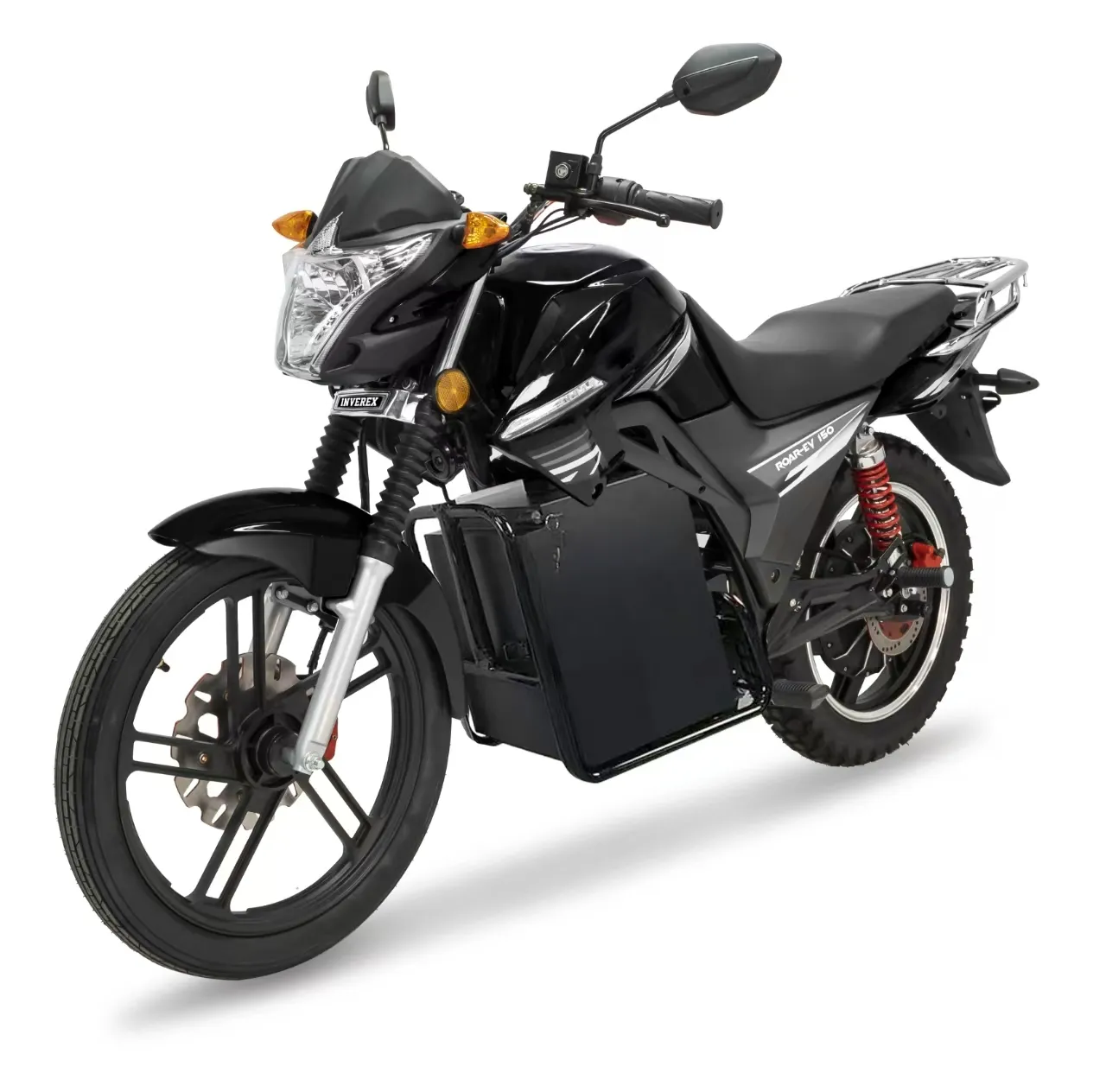
People love to ride, but a commercial electric bikerequires a robust and reliable power source to withstand daily use. In the early days of electric mobility, heavy power units slowed everything down and drained the fun out of the ride. Today, a modern lithium-ionebike battery fixes that problem entirely. It provides reliable power without weighing down the vehicle.
A standard lithium pack is built using high-density lithium-ion cells. These cells function like tiny, highly efficient energy storage units. They pack a massive amount of juice into a very compact space. This means your delivery riders can go much farther on a single recharge. Unlike older technology, which adds significant weight to the frame, a modern rechargeableLi-ion battery keeps the ride lightweight, agile, and easy to maneuver through tight city traffic.
When you manage a fleet, durability is just as important as weight. Whether your team handles heavy food deliveries or manages a fleet for a long daily commute, having the right bike battery makes a world of difference. These modern packs are designed for relentless daily use. By utilizing advanced chemistry, they maintain their capacity even after hundreds of trips.
How do voltage and power differ between a 36v and a 48v lithium battery?
When you look at the specs of a battery, voltage is one of the most critical numbers. You can think of it like the water pressure in a garden hose. A 36v battery is like a standard hose. It works great for a flat surface and gentle rides. It typically uses a basic 10s cell configuration inside the casing, which is perfect for casual, low-speed cruising around a flat neighborhood.
However, when your riders face a tough incline or carry heavy cargo, that lower pressure might not be enough. That is where a stronger 48v lithium battery steps in to save the day. A robust 48v system acts more like a fire hose, pushing a massive amount of power directly to the motor exactly when it is needed. This extra push helps riders fly up steep hills without breaking a sweat or feeling the motor stall.
For heavy cargo or tight delivery deadlines, stepping up the voltage is always a smart business move. A solid 48v setup gives riders the intense torque they need to navigate tough terrain. You will notice far less voltage drop when the system is working hard under a heavy load. Ultimately, it creates a much better experience for the rider, reducing fatigue and increasing their overall delivery efficiency.
Why upgrade from heavy lead-acid batteries to a sleek lithium bike battery?
It might surprise you, but some older e-bikes still roll around using outdated lead-acid batteries. These heavy old blocks are cheap to buy upfront, but they are a nightmare for commercial operations. Upgrading to a modern lithium option is like trading in an old flip phone for a modern smartphone. Lithium batteries hold significantly more energy and last exponentially longer.
Heavy lead-acid batteries can make steering difficult and dangerous. They throw off the balance of the bike. Furthermore, they wear out incredibly fast, often losing their ability to hold a charge after just a few hundred charge cycles. You end up spending more money constantly replacing them. On the other hand, a modern e-bike battery is compact and sleek. It fits perfectly into the bike’s structure, keeping the center of gravity low and making the bike much safer to handle.
Your fleet deserves the absolute best equipment. Moving away from outdated technology saves you serious money in the long run. By choosing a high-quality bike battery, you replace units far less often.
Weight: Lithium is up to 70% lighter than lead-acid.
Lifespan: Lithium lasts 3 to 5 times longer.
Efficiency: Lithium maintains high power even as it drains.
Does a dual battery system outperform a single battery for a heavy-duty ebike?
Many fleet operators and delivery riders constantly ask if they should invest in two batteries instead of one. A single battery is perfectly fine for a quick morning run or a short trip. But if your rider is out working all day long, a dual battery setup is absolutely amazing. It effectively doubles the capacity of the power pack without forcing the rider to stop, find a plug, and wait for hours.
Using two power units gives you a much higher Ah (amp-hour) rating. For example, upgrading from a simple 17ah pack to a dual system completely changes the game for range and power. Your ebikes can stay out on the road from morning until night, completing dozens of deliveries without a single pause for energy. This eliminates “range anxiety,” which is the fear of getting stranded with a dead vehicle.
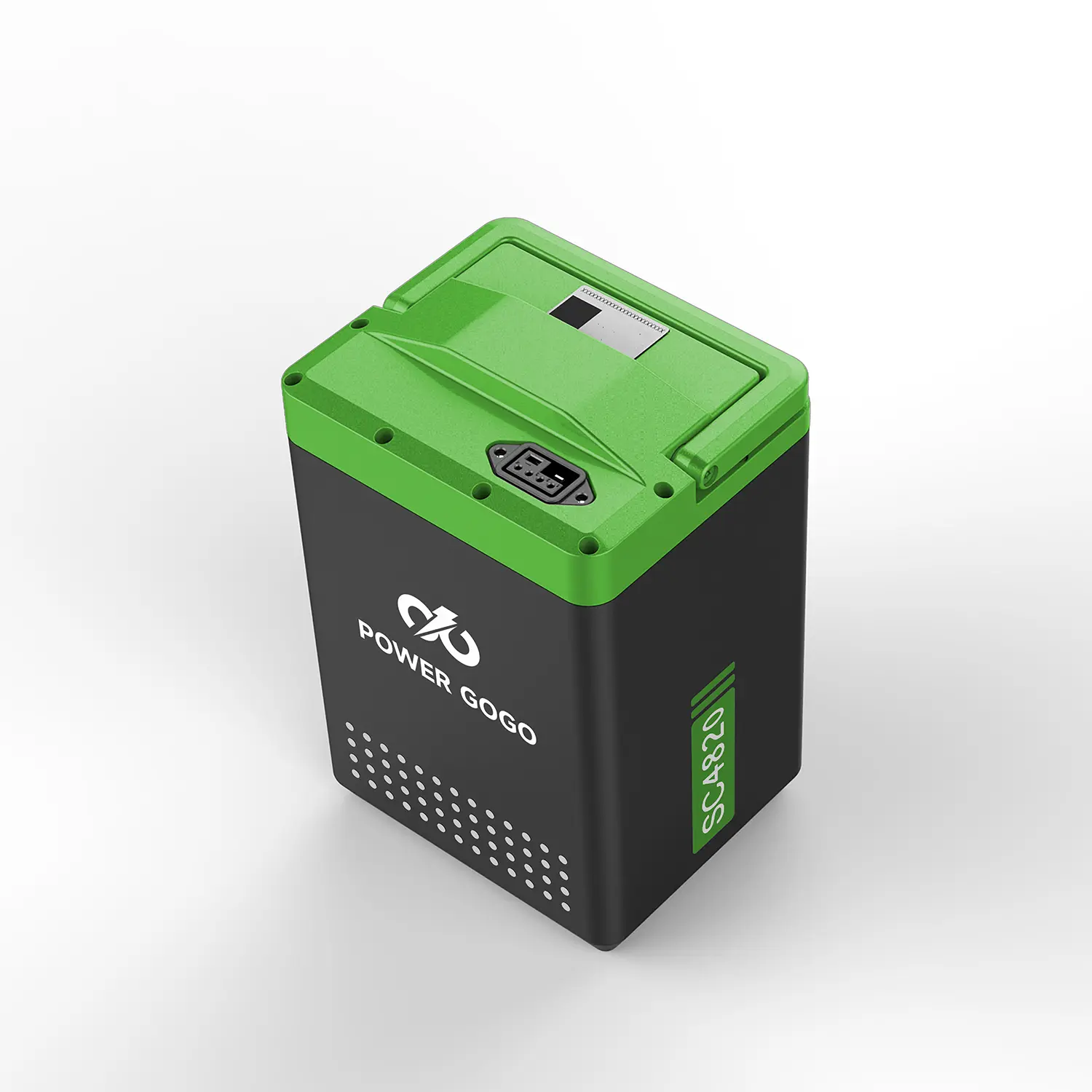
For commercial operations, vehicle uptime translates directly to revenue. Using a smart swappable network means you can just pop in a fresh unit and keep rolling. This is exactly why fleets prefer flexible options. A rider can start their shift with one full unit and simply swap it out at a local cabinet when it runs low, completely bypassing the need to ever plug the vehicle into a wall.
Are LiFePo4 or standard Li-ion battery options better for a commercial scooter or e-bikes?
When you dive into the technical side, you will find there are a few different types of chemistry available. A standard Li-ion battery often uses 18650 cylindrical cells. Huge, trusted electronics brands like Samsung, Panasonic, and LG manufacture these cells to exact specifications. Some premium custom builders, such as em3ev, also rely heavily on these high-quality cells to build extremely light and punchy packs.
On the flip side of the coin, LiFePo4 (lithium iron phosphate) is another fantastic choice for fleets. It is slightly heavier than standard Li-ion, but it is incredibly safe and offers a massive lifespan. We often see LiFePo4 used in heavy-duty applications where weight is less of an issue, but durability is paramount. For a fast-moving, nimble scooter, you generally want the lighter, standard Li-ion chemistry.
However, for a heavy cargo trike, the long life and safety of iron phosphate is fantastic. If you want top-tier quality, always look for genuine Samsung cells or certified OEM parts. Choosing the right chemistry means your ebike will not let your driver down in the middle of a busy lunch rush. Our 51.2 V 50Ah LFP Swappable Battery is a perfect example of this rugged, long-lasting chemistry built for serious work.
What role does a smart BMS play in lithium-ion battery safety?
Safety is always the number one priority when managing an electric fleet. You might have seen scary news articles or viral videos about a battery fire. This terrifying event usually happens with cheap, poorly manufactured products that cut corners on safety features. That is exactly why a high-quality battery management system (or BMS) is absolutely vital to your operation.
A smart BMS acts like a highly intelligent, tiny brain hidden inside the casing. It constantly watches the internal temperature, the charge level of every single cell, and the overall flow of electricity. If things get too hot, or if the power surges unexpectedly, the BMS instantly shuts everything down to prevent a dangerous chain reaction known as thermal runaway. This computer chip is the true secret to lithium-ion battery safety.
When a product has a UL certification, it proves that it has passed rigorous laboratory testing. It guarantees the product will not burst into flames when you plug it in or ride over a huge bump. Always choose equipment that strictly respects international safety rules. It protects your riders, your property, and your business reputation.
How do you choose the right charger for an electric bike and battery connector?
Plugging in your vehicle should be the easiest part of the day. But choosing the right charger for electric bike equipment matters a lot more than you might think. You cannot just use any random plug you find online. The battery charger for electric bikes must match the exact specifications of your specific power unit. If you use the wrong charger, you could permanently ruin the cells or completely fry the bike’s controller.
The physical battery connector is just as important as the power brick itself. A loose or cheap connector can cause electrical sparks and dangerous heat buildup. Inside the pack, professional builders use strips of pure nickel to safely weld the individual cells together. Strong, precise spot welds ensure the electricity flows smoothly through the pack without generating excess heat during heavy acceleration.
While some hobbyists love to use lightweight lipo (lithium polymer) packs for remote control cars or drones, commercial electric bikes need sturdy, hard-cased protection. You need heavy-duty plugs that can survive being dropped, yanked, and exposed to rain. Always ensure your plugs fit tightly, click securely into place, and are rated for high electrical currents.
Can a 48V 20AH or 25ah frame battery handle steep hills?
Absolutely, yes. When you operate a delivery business in a very hilly or mountainous city, you desperately need a large capacity. A 48V 20Ah pack is an absolute beast on the road. It stores enough deep energy to feed the motor a steady, relentless stream of power, even when gravity is fighting back hard against a heavy load of groceries or packages.
A massive 25ah pack is perfect for high-end mid-drive systems, like a premium bosch motor or a powerful Bafang setup. These specific types of motors pull a significant amount of juice when climbing steep grades. The incredibly high capacity ensures you do not drain the energy too fast, leaving your rider stranded halfway up a massive incline.
Having a solid 48v lithium-ion unit locked securely right onto the frame keeps the bike’s center of gravity perfectly low. This makes the vehicle significantly safer and much easier to control on tricky, uneven terrain. If you want to conquer the hardest routes in your city, upgrading your capacity is the only way to go. Consider integrating our 48V 20Ah swappable pack to give your fleet the hill-climbing endurance it desperately needs.
Is a 72v lithium-ion system overkill, or the best battery for high-speed fleets?
For a normal electric bicycle used for a relaxed park ride, 72 volts sounds completely crazy. It is far more powerful than a casual rider could ever safely use. But what if your business requires high speed and heavy lifting? A 72v system is purpose-built for heavy cargo tricycles, large delivery scooters, and high-performance commercial rides.
A 72-volt system gives your drivers intense, instant acceleration. This allows them to safely keep up with fast-moving city traffic and transport heavy loads without the motor groaning. However, it requires a very strong motor and a highly advanced controller to handle the flow. It is certainly not for everyone, but for specific logistics fleets, it might just be the best battery you can possibly deploy.
Just remember, higher voltage always means you need even better safety systems in place to manage the intense energy. That is exactly why our smart swapping cabinets handle all the charging for you, keeping everything monitored, cooled, and perfectly safe. If your fleet demands maximum performance, our high-capacity 72V40Ah swappable battery delivers the ultimate punch.
Frequently asked questions: How to maintain your e-bike battery and charger?
People constantly ask us how to make their expensive equipment last longer. As a fleet manager, extending the life of your gear is vital for your profit margins. Here are a few frequently asked questions and the best practices for basic maintenance:
Temperature Control: Always store it indoors. Extreme cold or crazy summer heat physically damages the internal chemistry. If your drivers park outside overnight, they must bring the power unit inside with them.
Charging Habits: Do not wait until the vehicle is completely dead to plug it in. Lithium chemistry actually prefers partial, shorter charges. To get the absolute maximum charge cycles out of your equipment, try to recharge it when it drops down to about 20%.
Physical Care: Keep your charging equipment clean, dust-free, and perfectly dry. Never drop it or leave it in the rain.
If you treat your e-bike battery well, it will absolutely reward you with thousands of miles of trouble-free riding. However, if you are tired of managing cables, monitoring plugs, and worrying about fire safety in your warehouse, there is a better way. By utilizing a 12-slot battery swapping cabinet, you completely outsource the charging process to smart, automated hardware that monitors health 24/7.
We use cookies to ensure that we give you the best experience on our website. If you continue to use this site we will assume that you are happy with it.