In the high-stakes world of logistics and urban mobility, the difference between profit and loss often comes down to a single metric: uptime. If you are managing a fleet, you know the pain of watching an electric motorcycle sit idle, tethered to a cord, waiting for a charge. It is efficient energy wasted. My name is Alex Taylor, and for over 14 years at Power GoGo, I have helped businesses across the globe transition from the shackles of charging to the freedom of battery swapping.
We will dismantle the traditional charging model and explain why a battery swap system is the inevitable future for commercial operations. We will dive deep into how a battery swap cabinet works, compare market options like the Tycorun battery swap against fully integrated ecosystems, and show you how to build a scalable battery swap business. If you are ready to eliminate downtime and master the swapping system, read on.
What Defines a Complete Battery Swap System for an Electric Motorcycle Fleet?
A battery swap system is not just a vending machine for batteries; it is a sophisticated, interconnected ecosystem. To run a successful operation, you need more than just a battery. You need a seamless integration of three core components: the smart batteries, the swap stations (specifically the swap cabinet), and the cloud-based management system.
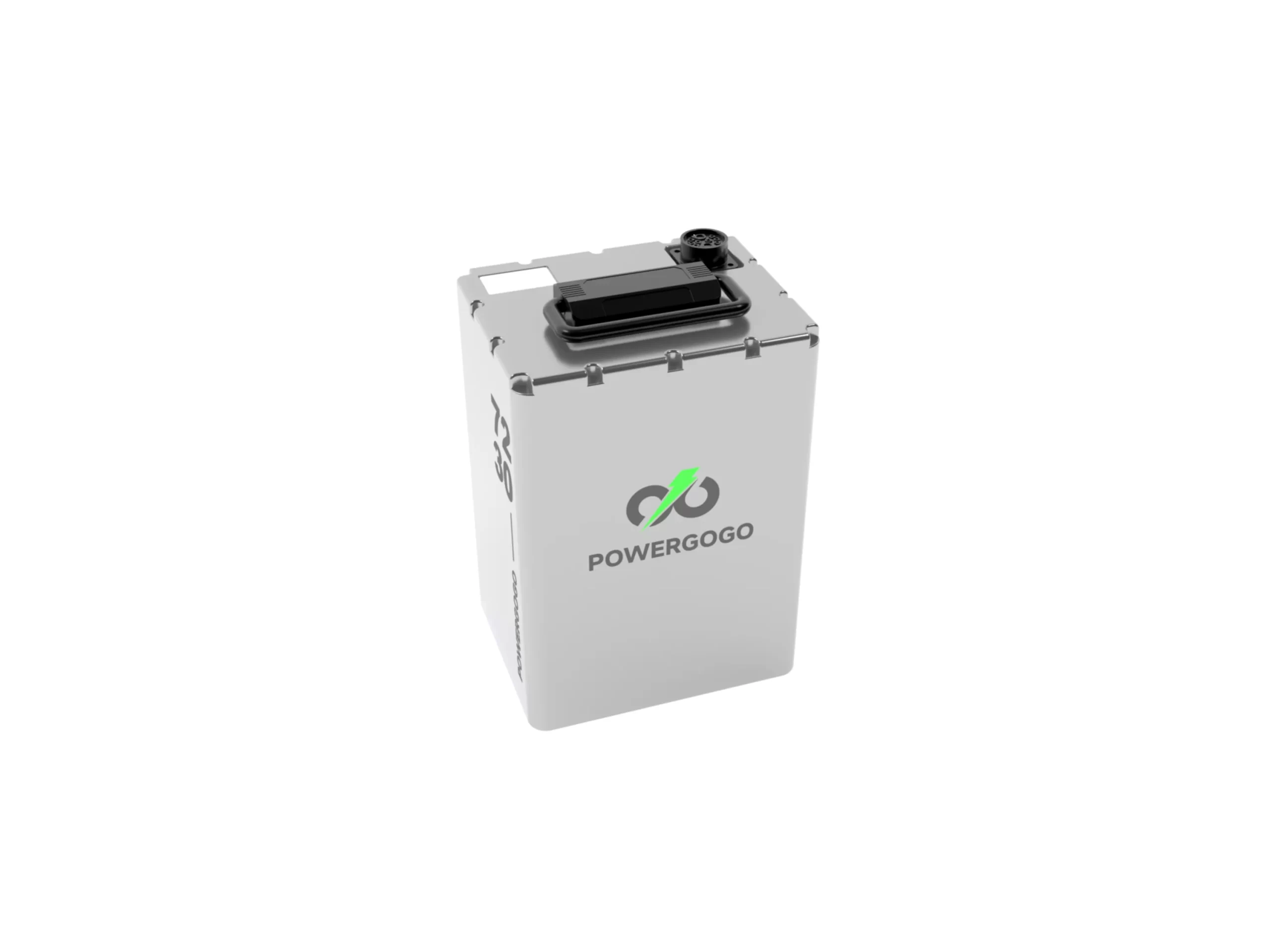
The battery is the fuel. In our case, these are high-performance lithium batteries designed specifically for the rigors of frequent swapping. They must be durable, with robust connectors and a smart BMS. The battery swap cabinet is the infrastructure—the secure hub where depleted batteries are returned and fully charged batteries are dispensed. Finally, the software binds it all together, allowing the operator to monitor battery health, track swap volume, and manage payments in real-time. When you source from a dedicated battery manufacturer like Power GoGo, you get a complete battery swapping solution where these elements speak the same language, ensuring reliability that piecemeal systems cannot match.
How Does a Smart Battery Swap Cabinet Actually Work?
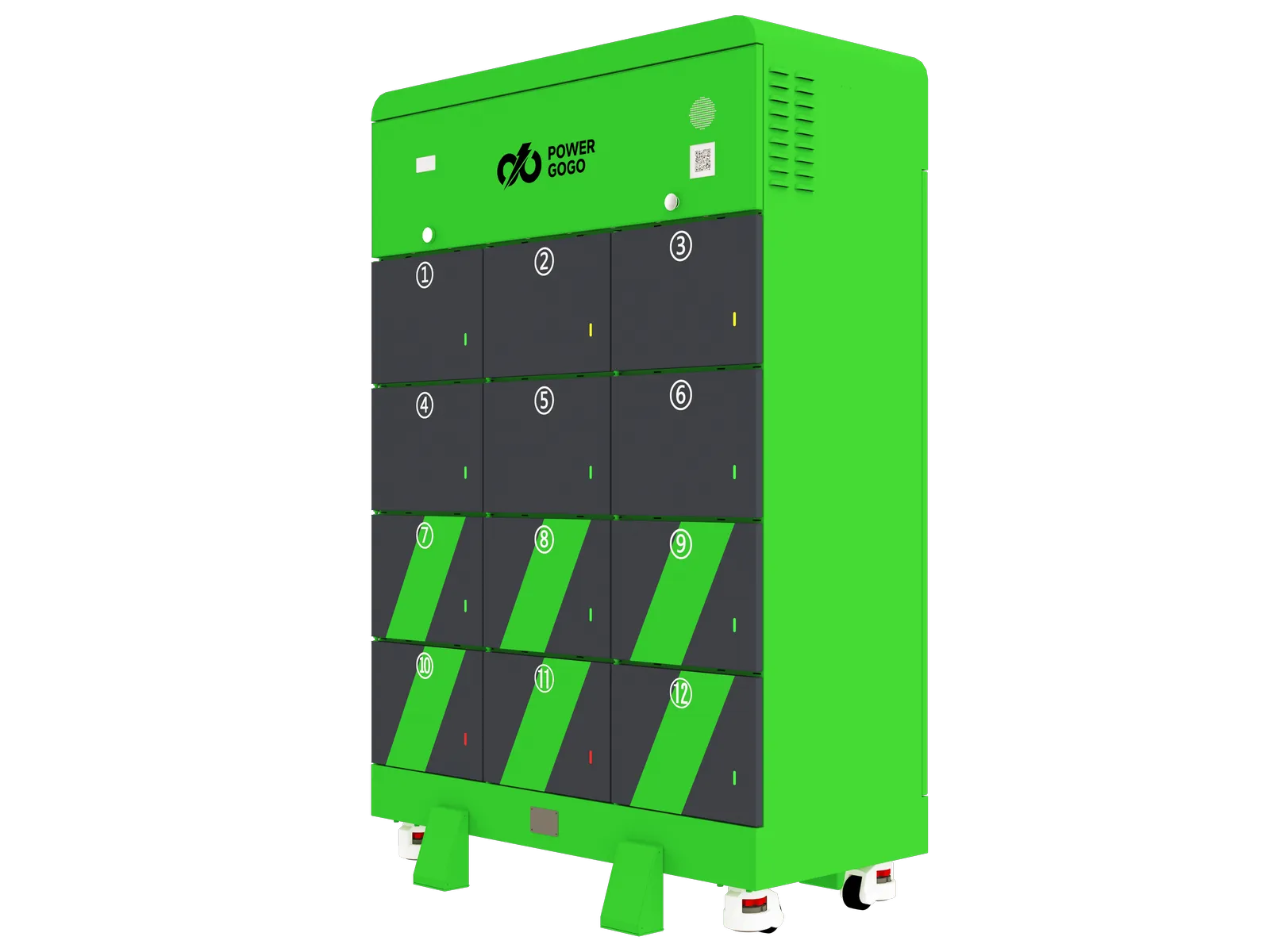
At first glance, a battery swap cabinet looks like a metal locker. But look closer, and you will see a marvel of engineering. The cabinet is the physical interface of the swapping system. It typically contains multiple slots—ranging from 5 to 12 or more—designed to charge batteries safely and efficiently.
When a battery is inserted into a slot, the cabinet locks it in place. It immediately establishes communication with the battery's internal BMS to assess its condition. It checks the temperature, voltage, and cycle count. If the battery is healthy, the cabinet begins charging it using an optimized algorithm to prolong battery life. Meanwhile, the cabinet identifies the user and pops open a different door to release a fully charged one. This entire mechanical ballet happens in seconds. The intelligent battery swap technology ensures that a rider never receives a compromised or undercharged unit.
What is the Step-by-Step Swapping Process for the Rider?
For the rider, the complexity of the technology is hidden behind a beautifully simple user experience. Speed is everything. The goal of the swapping process is to get the driver back on the road as fast as possible. Here is how a typical swap plays out in the field:
- Arrival: The rider pulls up to the battery swap station location.
- Authentication: Using the battery swap app, the rider will scan the QR code on the cabinet screen. This verifies their subscription and account status.
- Return: A secure door opens on the swap cabinet. The rider removes the depleted battery from their motorcycle and inserts it into the open slot.
- Verification: The cabinet verifies the returned battery.
- Exchange: A different door opens, revealing a secure battery that is 100% charged.
- Go: The rider pulls out the new battery, slots it into their bike, and drives away.
This fast swap allows riders can swap and go in under one minute. There is no fumbling with cables, no waiting for a "top-off," and no technical skills required. It is effortless.
Battery Swap vs. Traditional Charging: Which Wins for Urban Mobility?
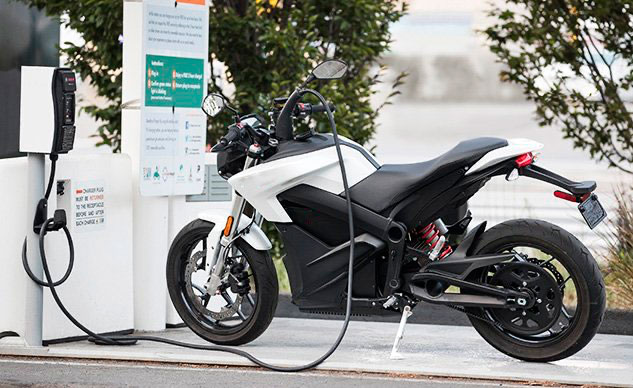
The debate of battery swap vs traditional charging is settled when you look at commercial urban mobility. Traditional charging is a bottleneck. It requires electric motorcycle operators to take vehicles out of service for 4 to 8 hours daily. This downtime destroys efficiency. You need more land for charging station lots and more vehicles to cover the shifts while others charge.
Battery swapping flips this script. A battery swap station requires a tiny footprint—often just one square meter for a cabinet. It turns recharging into a logistical advantage. A delivery driver can perform a battery exchange during a quick break and return to work immediately with a full "tank." This capability drastically increases the daily range and revenue potential of every EV in the fleet. In dense cities, where space is expensive and speed is currency, the swap solution is the only viable path for scaling electric motorcycle operations.
Tycorun Battery Swap vs. Fully Integrated Solutions: Why Does the Ecosystem Matter?
In your research, you may have encountered various providers, such as Tycorun energy or seen the Tycorun battery swap products. Tycorun provides solutions in this space, and companies like Tycorun have helped popularize the concept. However, as a pragmatic decision-maker, you must weigh the benefits of an aggregated solution versus a fully integrated OEM ecosystem.
A Tycorun battery swap system often involves integrating third-party components. While Tycorun’s battery swap system is functional, there is a distinct advantage to working with a battery manufacturer like Power GoGo that builds the complete battery ecosystem from the ground up. When we manufacture the 72V40Ah Swappable Battery and the cabinet together, the protocols match perfectly. The intelligent swap logic is hard-coded into both the cell management and the station controller. This deep integration minimizes communication errors between the swap cabinet and the battery, ensuring higher reliability and smoother updates than mixing a Tycorun battery with generic hardware.
How Does the Battery Swap Business Model Drive Profitability?
The battery swap business model is transformative because it introduces the concept of "Battery as a Service" (BaaS). In a traditional model, the fleet owner buys the electric motorcycle and the battery together. This makes the upfront cost high, and the owner bears the risk of battery degradation.
In the battery swap business, the battery is separated from the vehicle. You buy the EV-MY Scooter at a lower cost because it doesn't include the battery price. Instead, you pay a subscription or a per-swap fee to access the swap network. This shifts CapEx to OpEx. The operator manages the battery life and battery replacement. If a battery wears out, the swapping system cycles it out, and the fleet manager never pays for a replacement pack. This predictability allows for aggressive scaling and precise budget forecasting, making it a highly attractive business model for logistics companies.
Why is the Battery Management System (BMS) the Heart of the Swap Station?
Safety and longevity are non-negotiable. The BMS (Battery Management System) is the brain inside every lithium ion battery we produce. In a battery swap system, the role of the BMS is elevated. It acts as the gatekeeper. When a battery is plugged into a swap cabinet, the BMS reports its entire history to the cloud.
It monitors critical parameters like battery voltages, cell temperature, and current flow. If a rider drops a battery and damages a cell, the BMS will detect the anomaly. When inserted into the cabinet, the intelligent battery system will flag it as "unsafe" and lock it down, refusing to dispense it to another user. This intelligent swap protection prevents thermal runaway and ensures that only secure battery units are in circulation. It is a layer of automated safety that manual charging simply cannot provide a complete solution for.
How Scalable and Modular are Modern Swap Stations?
You should never pay for infrastructure you don't need. This is why modular battery swap cabinets are essential. A modular design means you can start small. You might deploy a single 12-Slots Battery Swapping Cabinet in a strategic location to test a new market.
As your fleet grows or demand in that area increases, you can simply add another cabinet next to the first one, daisy-chaining them together. They share power and data connections, instantly doubling your capacity. This scalable approach allows you to align your infrastructure spending with your revenue growth. You can build a swap network that grows organically, placing swap stations exactly where your heat maps show the most activity. Whether you need a small station cabinet for a hotel lobby or a massive wall of cabinets for a logistics depot, modular designs offer the flexibility to adapt.
How Does Real-Time Data Optimize Fleet Management?
In the modern era, data is as valuable as energy. A robust battery swap solutions provider offers a comprehensive cloud platform that gives you real time visibility into your operations. Through the management system, an operator can see the location of every battery, the status of every swap cabinet, and the charging levels across the network.
This allows for incredible optimization. You can track battery usage trends to predict peak times. If you know that swap station A is always empty by 2 PM, you can proactively move fully charged batteries there from a less busy station. You can monitor the performance of the battery assets to ensure you are getting the full cycle life out of your investment. This real-time monitoring empowers fleet management to make data-driven decisions, reducing waste and ensuring that your riders always get a fully charged battery when they need it.
What is the Future of the Battery Swapping Industry?
The battery swapping industry is rapidly evolving from a niche concept to a global standard for new energy transportation. We are seeing a convergence of battery technology and IoT that is making smart swap systems faster and more universal. The future lies in interoperability—where a standardized battery type can work across different electric motorcycle models.
We are also seeing the integration of renewable energy. Future swap stations will not just charge batteries; they will act as energy storage units, balancing the grid by charging when solar or wind energy is abundant. As urban mobility demands cleaner, faster solutions, the battery swap will become the cornerstone of the smart city. By investing in battery swap products today, you are future-proofing your business for a world that values speed, sustainability, and intelligent battery swap efficiency.
Key Takeaways to Remember
- Uptime is King: Battery swapping eliminates charging delays, keeping your fleet moving and earning revenue.
- The Ecosystem is Critical: A complete battery swapping system requires seamless integration between the battery, swap cabinet, and cloud platform.
- Cost Control: The BaaS (Battery as a Service) business model converts high upfront CapEx into predictable OpEx, reducing financial risk.
- Safety First: Advanced BMS and intelligent battery cabinets ensure that every swap is safe, preventing fire risks associated with unmanaged charging.
- Start Small, Grow Big: Modular and scalable swap stations allow you to expand your network in step with your business growth.
- Data Driven: Real-time monitoring allows operators to optimize logistics, track battery health, and ensure efficiency across the swap network.
- Choose Integration: While options like Tycorun battery swap exist, integrated solutions from a dedicated battery manufacturer offer superior compatibility and reliability.