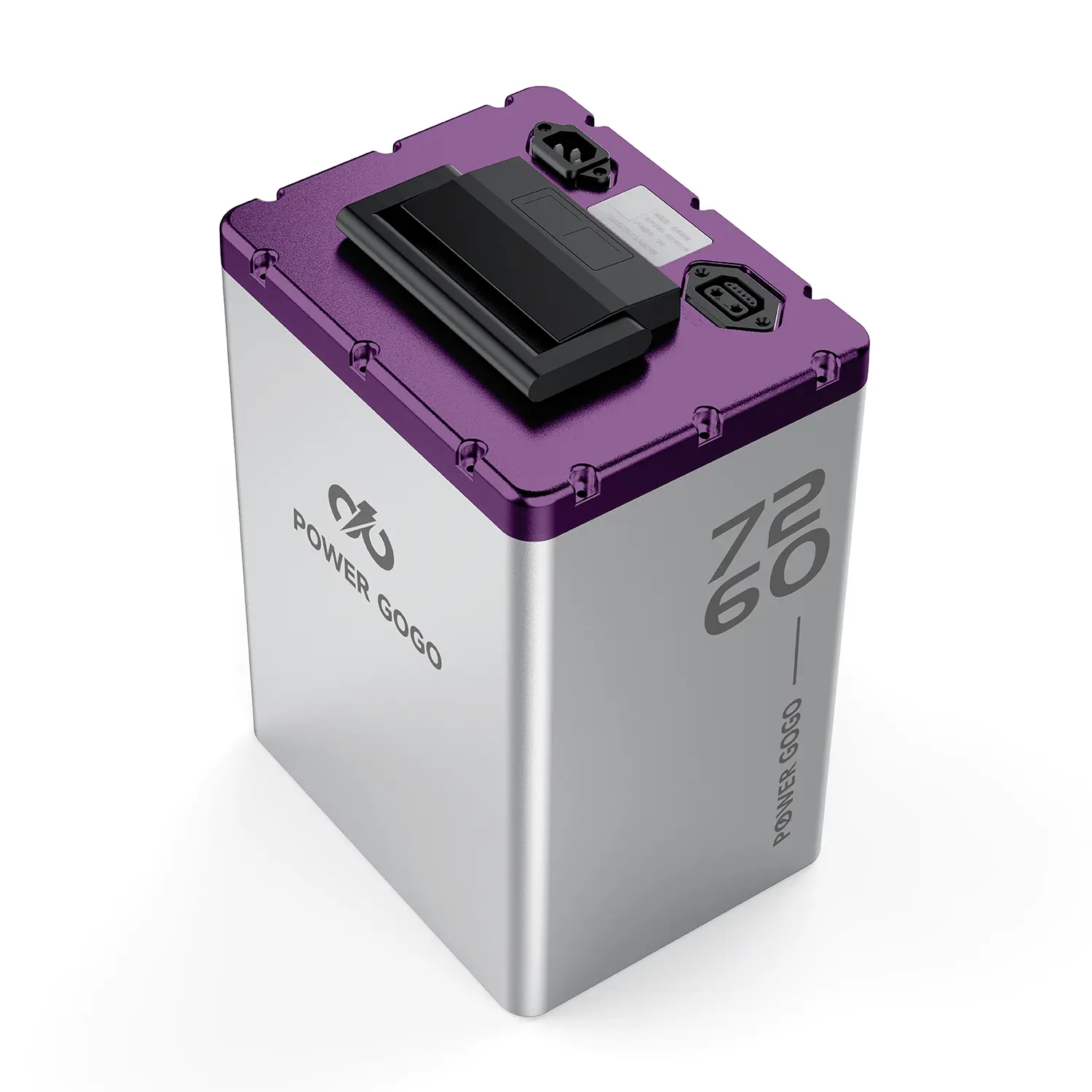
In the fast-moving logistics world, time is money. If you manage an electric vehicle fleet, you know the frustration of watching your delivery assets sit idle while tethered to a cord. This comprehensive guide uncovers why a battery swap approach is the ultimate game-changer for commercial delivery and rental businesses. We will explore how skipping the long wait times to get a charge and embracing modular swap technology slashes downtime, minimizes capital expenses, and boosts your bottom line. If you are an operations director looking for scalable, safe, and efficient turn-key energy solutions, reading this could redefine your entire operational strategy.
What Are the Core Advantages of Battery Swapping Over Traditional Charging Methods?
When managing vehicle fleets, every minute of uptime translates directly to revenue. The advantages of battery swapping become remarkably clear the moment you compare it to plugging into a standard charger. Battery swapping separates the waiting time from the actual refuel process. Instead of leaving an EV plugged in for hours just to get a single charge, a rider simply pulls up to a swap station and performs a quick battery exchange. This takes less than a minute.
Because battery swapping offers several advantages, fleet operators see immediate boosts in productivity. You never have to wait for a long charging cycle to finish. Instead, the battery swapping system does the heavy lifting in the background. It effectively separates battery ownership from vehicle ownership. You don’t manage cell degradation; you just manage deliveries. Furthermore, battery swapping allows for non-stop operations, making evs vastly more practical for demanding routes. Ultimately, battery swapping offers unparalleled speed, ensuring your team is always moving and earning.
How Does a Swap Station Eliminate Range Anxiety for Commercial Fleets?
One of the biggest hurdles to the mass adoption of electric vehicles is the fear of running out of power mid-route, commonly known as range anxiety. A strategically placed battery swapping station completely erases this psychological and logistical worry. When a delivery driver knows they can easily trade their depleted batteries for fresh ones at a nearby hub, they drive with absolute confidence. The benefits of battery swapping truly shine in high-stress urban environments.
By utilizing a dense swapping network, riders can quickly refuel without panic. For instance, battery swapping is gaining massive popularity for electric two-wheelers and three-wheelers precisely because it guarantees continuous motion. You simply exchange a depleted battery with a fully charged one in seconds. This quick battery exchanges setup keeps your team active all day long. Much like the booming success of electric scooters in Taiwan, a solid localized network makes all the difference in rider satisfaction.
Why Is Fast Charging Not Always the Best Strategy for the EV Battery?
Many operations managers assume fast charging is the ultimate solution to keep a vehicle running. However, rapidly pushing a massive charge into an ev battery generates extreme heat. Over time, this heat aggressively degrades the internal cells. Battery swapping and fast charging serve entirely different operational purposes. While plugging in quickly might work for a privately owned passenger car, it hurts the battery life of hard-working commercial vehicles that require multiple cycles a day.
A smart swap station will deliver a charge slowly and safely within a climate-controlled cabinet. By avoiding the harsh, unregulated conditions of street-side rapid chargers, these swapping stations can extend battery longevity significantly. Swapping eliminates the need for extensive wait times associated with traditional charging methods, all while protecting the hardware. Ultimately, battery swapping for electric commercial operations is gentler on the cells and helps naturally extend battery life by providing the perfect charge every time.
Can Battery Swapping Reduce Upfront Costs for Fleet Operations?
Purchasing a massive fleet of electric vehicles requires serious capital investment. The cost of battery packs often makes up almost half the vehicle’s entire price tag. However, the advantages of battery swapping include a highly favorable financial model. When you utilize a battery swap service—often structured as Battery as a Service (BaaS)—you usually buy the scooter chassis without the heavy power unit included.
This drastically lowers the upfront cost of scaling your business. The costs associated with battery purchasing shift from a massive capital expense to an affordable, predictable monthly subscription. Battery swapping also removes the financial risk of sudden cell failure. You never pay for an unexpected battery replacement out of pocket because the service provider manages the hardware. This financial flexibility drastically speeds up the transition to electric mobility for budget-conscious logistics managers, elevating overall operational efficiency.
How Do Advanced Battery Management Systems Improve Battery Health?
Inside every high-quality battery swapping station, you will find sophisticated battery management systems (BMS). These digital systems are the brains behind every successful battery swap. They continuously monitor temperature, voltage, and current during every single charge. This high-level battery health management ensures that every cell is optimized, preventing the dangerous overcharging that frequently plagues standard charging stations.
Because the swap station completely controls the charging environment, it can actively protect battery health. The battery maintenance happens automatically behind the scenes. If a pack shows any sign of weakness during a charge, the system flags it and locks it in the cabinet. This ensures every time a rider performs a swap, they receive a perfectly safe unit. The burden of battery maintenance and replacement is completely abstracted from the driver and the fleet manager.
What Role Does Standardization Play in Future Battery Technologies?
For a comprehensive network of swapping stations to truly thrive across a city, the industry needs strict standardization. Right now, if a logistics company is locked into a single battery, their hardware options are severely limited. But as new battery technologies emerge, forward-thinking manufacturers are moving toward common shapes and connector types. Universal swapping is the ultimate goal for the entire electric mobility sector.
When different vehicle brands agree on a unified design footprint, swapping stations can stock multiple battery sizes and power capacities in one hub. You won’t just see a single battery type; you will see a shared, robust infrastructure. This interoperability makes the transition to electric vehicles smoother for everyone, lowering costs and making evs far more accessible globally. For example, you can seamlessly integrate a heavy-duty EV-MY Scooter alongside lighter models using standardized, interchangeable power packs.
How Can Modular Battery Swapping Support the Local Grid?
A well-designed modular battery swapping system doesn’t just benefit the electric vehicle owner; it acts as a massive support structure for the local electrical grid. During peak afternoon hours, when everyone is using electricity, traditional plug-in vehicles can severely overload the system. However, a smart battery swap hub can intelligently pause its charge when grid demand is high and resume the charge when demand drops at night.
Because these enclosed cabinets act as massive energy storage units, battery swapping could technically feed power back into the grid during rolling blackouts or emergencies. This highly intelligent energy use means the blend of charging and battery swapping becomes a stabilizing force for city infrastructure. It transforms a simple, static charger into a dynamic, responsive energy asset. The battery swapping technology essentially acts as a localized grid buffer.
Is the Transition to Electric Made Easier with a Battery Swap Network?
Absolutely. The transition to electric operations is frequently blocked by the sheer lack of reliable, accessible charging infrastructure. With a battery swap approach, businesses do not need to trench concrete to install expensive, high-voltage chargers at their warehouses. They simply rely on the existing urban swap infrastructure or install a highly efficient 12-slot battery swapping cabinet directly inside their dispatch center.
This simple plug-and-play approach revolutionizes fleet management. Swapping enables seamless, stress-free growth for commercial fleets. As your delivery business scales up, you just add more power units to your rotation rather than undergoing massive, expensive electrical upgrades to your building. This strategic ev battery swapping method is undeniably the fastest, safest way to scale modern electric fleets.
What Happens to Depleted Batteries Inside the Swap Station?
When a busy rider drops off a completely drained pack, the technological magic happens behind closed steel doors. The system immediately assesses the returned unit to ensure it is structurally sound. It then begins a highly controlled recharge, intentionally avoiding the thermal stress of rapid charging. The sophisticated software carefully separates the battery from the vehicle physically and digitally, tracking its entire life cycle.
The station ensures that the next rider inevitably receives a battery with a fully charged status every single time they visit. This continuous, monitored loop of physical assessment and slow, steady charge delivery is the exact reason why swapping stations can extend battery longevity so dramatically. Fleet managers never worry about dead cells because their drivers always get a fully charged one. Simply put, the system safely removes the battery from the vehicle and shields it from traditional wear and tear.
Why Are Commercial Fleets the Biggest Winners in EV Battery Swapping?
At the end of the day, battery swapping offers several advantages specifically tailored to high-usage logistics operators. Time spent waiting for a standard charging time to finish is literally lost revenue. By deploying battery swapping stations for electric operations, delivery businesses achieve incredible, unmatched speed. A driver performs a rapid swap and is back on the delivery road instantly, never waiting for a charge.
A rugged, reliable 48V50Ah Iron Lithium Swappable Battery can easily power through grueling, long-distance delivery shifts. Ultimately, this specific business approach offers several advantages to ev owners across the board, but for commercial logistics, it is the fundamental difference between profit and loss. EV adoption in the commercial sector depends heavily on completely eliminating vehicle downtime. The several advantages of this intelligent network, combined with the fact that it effortlessly offers several advantages to ev users, proves it is the ultimate, long-term operational solution.
Summary
- Zero Downtime: A battery swap eliminates hours spent waiting for a charge, keeping your fleet constantly moving and highly profitable.
- Reduced Capital Expenditure: Battery swapping separates the vehicle cost from the power source, vastly lowering your upfront investment.
- Enhanced Hardware Lifespan: Smart battery management systems deliver a slow, optimized charge, which naturally helps extend battery life.
- Eliminated Range Anxiety: A dense network of charging stations and swap hubs ensures riders can seamlessly refuel without fear of being stranded.
- Superior Safety: Smart cabinets monitor every single charge, preventing overheating and ensuring the overall safety of the electric mobility ecosystem.
- Simplified Scaling: Adding a 15 Slots Battery Swapping Cabinet to your warehouse is far easier than overhauling your traditional charging infrastructure.
- Abstracted Maintenance: The swapping network handles all battery maintenance and replacement, freeing you to focus entirely on operational efficiency.