The pressure on modern logistics is relentless. Customers demand faster shipping, tighter delivery windows, and lower costs, all while cities implement stricter regulations on emissions. For an operations director, balancing these demands is a high-stakes puzzle. The shift towards a sustainable future is no longer just a corporate social responsibility slogan; it is a critical operational imperative. However, the transition to an electric vehicle (EV) fleet brings its own set of challenges, primarily centered around downtime and infrastructure. This is where battery swapping enters the conversation, not merely as a technology, but as a strategic lever to boost delivery efficiency. This article explores how abandoning the plug for the swap can transform last-mile deliveries, ensuring your fleet remains profitable, efficient, and ready for the regulations of 2025 and beyond.
The Pressing Challenge of Last-Mile Deliveries and Fleet Sustainability
The explosion of e-commerce has fundamentally altered the landscape of urban logistics. The last-mile delivery sector is the most expensive and time-consuming part of the shipping process, often accounting for more than 50% of the total shipping cost. As delivery companies rush to fulfill orders, urban environments are becoming choked with congestion and pollution. This has led to a global crackdown on the internal combustion engine, with many major cities planning to ban non-zero-emission vehicles from city centers by 2030.
For a delivery fleet operator, the mandate is clear: decarbonize or face obsolescence. However, simply replacing a gas-powered van with an electric one solves only the emission problem, not the efficiency problem. In fact, if managed poorly, electrification can hinder operations. The time a delivery vehicle spends tethered to a charger is time it is not delivering packages. To maintain the speed and reliability that builds customer loyalty, businesses must look beyond traditional charging models and embrace innovative solutions that prioritize vehicle uptime.
Why Fleet Electrification is the Non-Negotiable Path for Urban Delivery
The electrification of the delivery fleet is inevitable. By 2025, stricter environmental zones in cities worldwide will make operating diesel or gasoline trucks prohibitively expensive or illegal. Fleet electrification offers a pathway to compliance, but it also offers a superior driving experience for delivery drivers. Electric delivery vehicles provide instant torque, smoother acceleration, and a quieter ride, which reduces driver fatigue during long shifts in stop-and-go traffic.
Moreover, vehicles are emerging as the preferred choice because they align with corporate sustainability goals. Major logistics players have already committed to deploying thousands of electric delivery vans and scooters. This shift is not just about image; it is about future-proofing the business. As governments offer every incentive from tax breaks to purchase subsidies, the financial argument for adopting electric becomes undeniable. The transition to electric delivery is happening now, and early adopters are positioning themselves to dominate the sustainable market.
The Bottleneck: How Traditional Charging Infrastructure Slows Down the Delivery Fleet
While the benefits of EVs are clear, charging infrastructure remains a significant hurdle. Relying on public charging stations is a logistical nightmare for a commercial fleet. finding an available, functioning charger in a dense city takes time—time that eats into delivery efficiency. Even fast charging takes 30 to 45 minutes, a significant block of downtime during a busy shift. For delivery vans and scooters operating on tight schedules, this is unacceptable.
This reliance on plugging in also creates range anxiety. Drivers may cut their routes short or return to the hub with battery capacity remaining, simply out of fear of running out of power. This cautious behavior leads to the underutilization of assets. Furthermore, installing a massive bank of chargers at a central depot requires expensive grid upgrades and significant space, which is often at a premium in urban delivery centers. These constraints highlight why traditional charging infrastructure often fails to meet the high-intensity demands of the delivery sector.
Unlocking Speed: How Battery Swapping Optimizes Last Mile Delivery Efficiency
Battery swapping solves the downtime problem instantly. Instead of waiting for a battery to charge, the driver pulls up to a swap station, removes the depleted battery, and replaces it with a fully charged one. The entire process takes less than a minute. This swap capability allows electric delivery fleets to operate continuously, much like their gasoline predecessors, but without the pollution.
This technology allows for the optimization of routes and schedules. Because the “refueling” process is so fast, delivery vehicles can stay on the road for multiple shifts. A delivery service can run a vehicle 24/7, stopping only for driver changes and quick battery swaps. This maximizes asset utilization and ensures that delivery windows are met consistently. Battery swapping offers a practical solution that decouples the energy replenishment time from the vehicle’s operation time, fundamentally changing the economics of electric fleet management.
The Economic Case for Electric: Incentives and Lower Total Cost of Ownership
When evaluating fleet electrification, many operators get stuck on the upfront costs. It is true that an electric vehicle and its battery can be more expensive to purchase than a gas vehicle. However, the case for electric is won on the total cost of ownership (TCO). EVs have far fewer moving parts than an internal combustion engine, leading to drastically reduced maintenance costs. There are no oil changes, no transmission repairs, and less brake wear due to regenerative braking.
Battery swapping services further improve the financial picture. By using a “Battery as a Service” (BaaS) model, the delivery company can lease the batteries rather than buying them. This lowers the initial purchase price of the delivery vehicle. Additionally, because the operator pays for energy usage rather than the battery asset, there is no financial risk associated with battery degradation. Combined with government incentives available in 2023 and beyond, the TCO for a swapping-enabled electric fleet is often significantly lower than that of a traditional fleet.
Sustainable Logistics: Paving the Way for Sustainable Urban Environments
Sustainable logistics is about more than just reducing carbon. It is about creating a system that can endure and thrive without harming the environment it operates in. Zero tailpipe emission vehicles are the cornerstone of this. By removing the exhaust fumes from delivery trucks and scooters, companies contribute directly to cleaner air and healthier cities. This is vital for urban delivery, where vehicles operate in close proximity to pedestrians and residents.
Battery swapping enhances this sustainability. Centralized charging at swap stations allows for better battery management. Batteries can be charged at optimal rates, extending their lifespan and reducing waste. Furthermore, swap stations can be integrated with renewable energy sources, ensuring that the energy consumption and emissions associated with the delivery fleet are minimized. This holistic approach is paving the way for sustainable cities where commerce and livability coexist.
Strategic Partnership and Integration: Accelerating EV Adoption
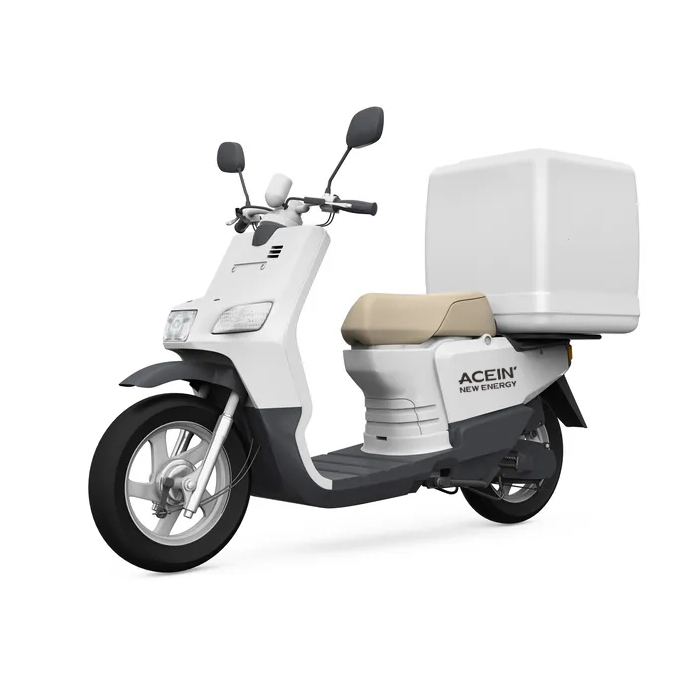
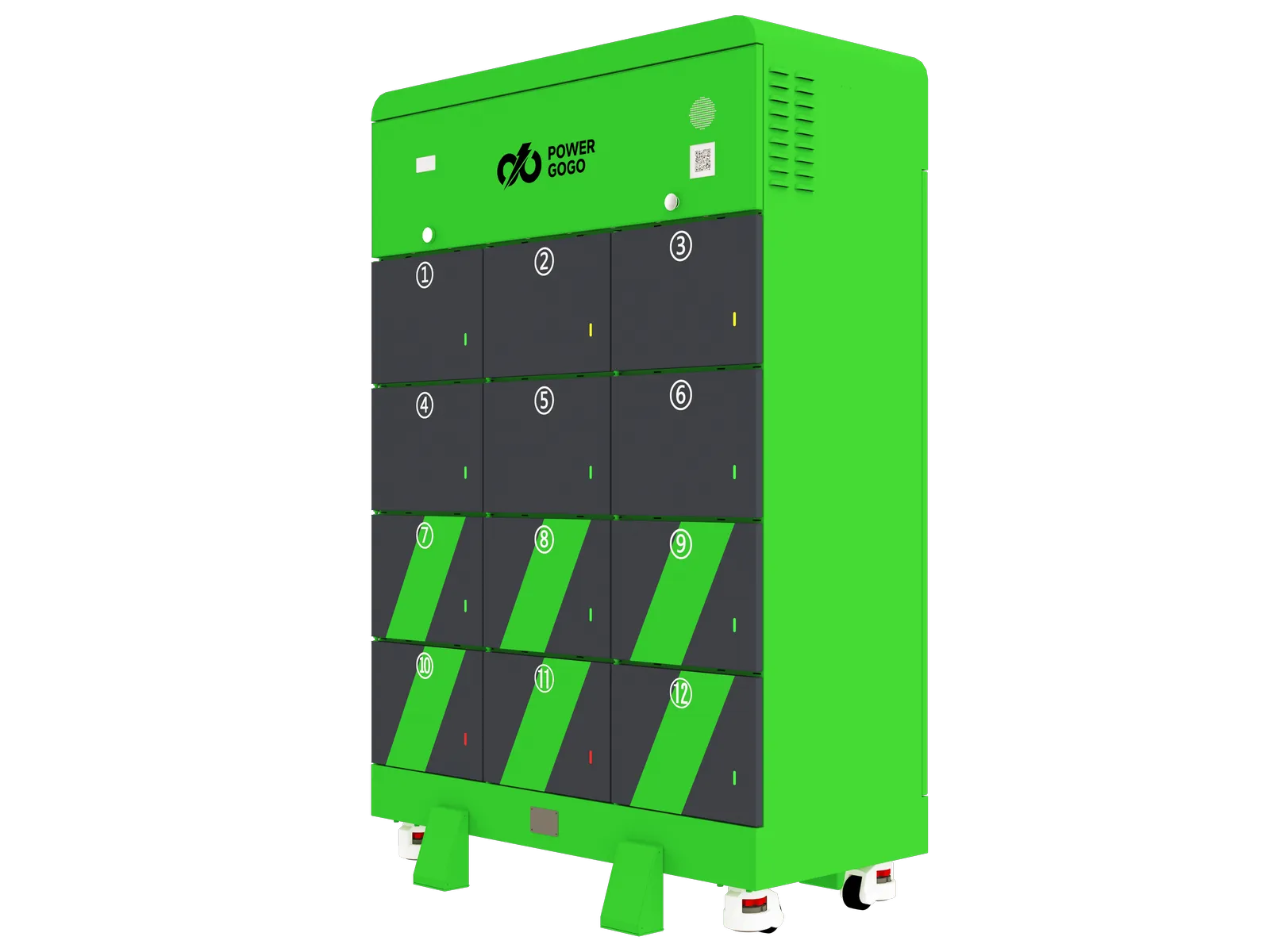
Successful ev adoption requires a collaborative ecosystem. No logistics company can do it alone. It requires a partnership between vehicle manufacturers, battery swapping providers, and fleet operators. By working with a specialized supplier like Power GoGo, a delivery service gains access to a turnkey solution that includes the EV-MY Scooter, the 72V40Ah Swappable Battery, and the swapping network.
Crucially, these systems must integrate seamlessly with existing fleet management systems. Data APIs allow the delivery company to track battery usage, vehicle location, and energy costs within their existing software dashboards. This integration simplifies the transition for dispatchers and managers, allowing them to leverage the benefits of electrification without disrupting their established workflows. A strong partnership ensures that the technology scales with the business, supporting growth from a pilot program to a full regional rollout.
Optimizing the Electric Fleet with IoT and Real-Time Data
Modern battery swapping is driven by the Internet of Things (IoT). Every battery and swap station is connected to the cloud, providing real-time data that is invaluable for optimization. Fleet managers can monitor the state of charge of every battery in the network. They can identify high-demand areas and ensure that swapping cabinets in those zones are stocked with fully charged batteries.
This data also helps optimize charging. The system can charge batteries during off-peak hours when electricity is cheaper and the demand on the grid is lower. It can also monitor driver behavior, identifying inefficient riding habits that drain the battery faster. By analyzing this data, operators can train their drivers to be more efficient, further extending the battery range and reducing operational costs. This level of insight transforms battery management from a reactive chore into a proactive strategic advantage.
From Electric Vans to E-Scooters: Diversifying the Delivery Vehicle Mix
The era of the “one size fits all” delivery van is ending. To navigate congested city centers, smart operators are diversifying their fleets. While large electric vans are necessary for bulk items, smaller vehicles are emerging as a solution for rapid, small-package delivery. Electric cargo bikes and heavy-duty scooters are becoming the workhorses of urban logistics.
These smaller vehicles are agile, easy to park, and can navigate narrow streets that block larger trucks. Battery swapping is particularly effective for these two-wheelers. A scooter rider can swap a battery in seconds and keep moving. This agility allows for a denser, more responsive delivery network. By strategically mixing vehicle types, a fleet can handle everything from bulk restocks to instant food delivery with maximum efficiency and safety.
2025 and Beyond: The Future of EV Delivery and Smart Cities
Looking toward 2025 and 2030, the trajectory is clear. Sustainable urban delivery will be defined by integration and intelligence. EV delivery will become the standard, not the exception. We will see the rise of smart cities where delivery efficiency is coordinated through data sharing between traffic systems, grids, and fleets.
Battery swapping will play a central role in this ecosystem. It serves as the bridge that allows high-utilization vehicles to operate on electric power without the constraints of long charging times. As technology advances, we will see even faster swaps and higher-capacity batteries. For the forward-thinking delivery fleet, the time to act is now. By adopting electric vehicles and innovative solutions like swapping today, you are building the infrastructure for a profitable and sustainable future.
Key Takeaways
- Speed Equals Revenue: Battery swapping eliminates charging downtime, allowing delivery vehicles to remain productive 24/7.
- TCO Wins: Despite higher upfront costs, the lower total cost of ownership driven by reduced maintenance and fuel savings makes EVs the smart financial choice.
- Sustainability is Mandatory: With regulations tightening by 2025, shifting to a zero tailpipe emission fleet is essential for compliance and brand reputation.
- Data Drives Optimization: IoT-enabled swapping systems provide real-time insights to optimize routes, driver behavior, and energy usage.
- Diverse Fleets: Combining electric vans with agile scooters and electric cargo bikes creates a flexible and efficient urban delivery network.
- Infrastructure Solved: Swapping removes the need for massive, expensive charging infrastructure at depots, solving space and power constraints in cities.
- Partnership is Key: collaborating with experienced suppliers for a turnkey solution ensures a smooth transition to electric delivery.