How Chinese EV Companies Made Battery Swapping Work: A Deep Dive into the Future of Electric Mobility
Aug-08-2025
Share:
The world is shifting to electric vehicles, but a significant hurdle remains: charging. The long waits at a charging station and the ever-present “range anxiety” can be a major roadblock for drivers and businesses. What if you could refuel your EV in the same amount of time it takes to fill a gas tank? This isn’t a futuristic dream; it’s a reality today, thanks to battery swapping. In China, this technology is not just surviving; it’s thriving. This article will explore how Chinese EV companies made battery swapping work, delving into the technology, the business models, and the immense potential it holds for businesses worldwide. As someone who has been on the front lines of lithium battery manufacturing for over a decade, I’ll provide an insider’s look into why this is more than a trend—it’s the future of electric mobility.
At its core, battery swapping is a beautifully simple concept. Instead of plugging an EV into a charger and waiting, the driver pulls into a dedicated swap station. There, an automated system removes the vehicle’s depleted battery and replaces it with a fully charged one. The entire process is designed to be completed in just a few minutes. Think of it like swapping an empty propane tank for a full one at the hardware store—it’s all about speed and convenience.
This model fundamentally separates the battery from the vehicle itself. The driver or fleet owner doesn’t own the battery; they subscribe to a service that provides them with continuous access to charged batteries. The key components of this ecosystem are the EV designed for battery swap, the standardized battery packs, and the network of automated battery swap station locations. This approach directly tackles the most significant pain points of EV ownership and opens up new possibilities for both personal and commercial transportation.
The magic lies in the standardization and automation. For the system to work in China and beyond, vehicles need to be compatible with the swap station, and the battery packs must be uniform in design. This is where a technology-driven supplier becomes critical. From our experience at Power GoGo, creating a seamless battery swapping experience requires meticulous engineering, from the battery‘s locking mechanism to the smart Battery Management System (BMS) that communicates with the swap station and the cloud. It transforms the battery from a simple power source into a smart, interchangeable asset.
How Does a Battery Swap Station Actually Work in China?
For someone unfamiliar with the technology, a battery swap station might sound like something out of science fiction. But here in China, they are a common sight, particularly in major cities. Let me walk you through the process, which is remarkably efficient. An EV driver, guided by an app, locates the nearest swap station. Upon arrival, the vehicle is often guided into the bay automatically using sensors. The driver can typically remain in the car.
Once the vehicle is in position, the automated platform beneath the car activates. It unscrews the bolts holding the depleted battery pack, lowers it onto a conveyor, and stores it in a charging rack inside the station. The system then retrieves a fully charged battery from the rack, lifts it into place, and secures it to the vehicle’s chassis. The swap station performs a quick system check to ensure the new battery is communicating correctly with the EV. The whole process, from entry to exit, often takes less than five minutes. It’s a swift, robotic ballet that makes refueling an electric vehicle faster than making a cup of coffee.
Behind the scenes, the swap station is more than just a mechanical-arm garage. It’s a smart energy hub. The station charges the depleted batteries in a controlled environment, often scheduling the battery charging for off-peak hours to reduce strain on the electrical grid. This managed charging also extends the life of the EV batteries, as they are charged under optimal conditions, not rushed at a supercharger. Each battery is constantly monitored for health, ensuring that every swap provides a reliable and safe power source. This level of quality control is a massive advantage of the battery swapping ecosystem.
Why Has Battery Swapping Become So Popular in the Chinese EV Market?
The rise of battery swapping in China wasn’t an accident; it was a result of a perfect storm of factors. Firstly, strong government support played a crucial role. Policymakers recognized that battery swapping could accelerate EV adoption by solving key issues. They offered subsidies for both EV companies building swap stations and for consumers purchasing vehicles with swappable battery technology, especially if the cost of the battery was separated from the car’s price. This made the Chinese EV market a fertile ground for innovation.
Secondly, the demographic and geographic landscape of China is ideal for this model. High-density urban areas mean that a smaller number of swap stations can serve a larger population. For the millions of people living in apartment buildings without access to personal charging piles, battery swapping is not just a convenience—it’s an enabling technology. It provides a practical refueling solution that mirrors the ease of a traditional gas station, which is vital for the mass-market EV uptake.
Finally, the initial focus was on commercial fleets. Taxis and ride-hailing vehicles in China cover vast distances daily. They cannot afford hours of downtime at a charging station. Battery swapping allows these vehicles to get a fully charged battery in minutes and get back on the road, maximizing their earning potential. This successful application in the B2B sector proved the model’s economic viability and operational efficiency, paving the way for its expansion into the consumer EV market. This is precisely the opportunity we see for businesses globally—logistics, delivery, and rental services can reap enormous benefits from this operational model.
Who Are the Key Players Driving Battery Swapping Forward?
When people talk about battery swapping, the name that often comes to mind is NIO. The Chinese EV company has been a true pioneer, building a vast network of over 2,000 swap stations in China and even expanding into Europe. NIO proved that a premium user experience centered around a fast swap service could build a powerful brand. They demonstrated that consumers are willing to embrace battery swapping when it’s done right.
Another giant in this space is CATL (Contemporary Amperex Technology Co. Limited), the world’s largest EV battery maker. CATL launched its own modular battery swapping solution called EVOGO, aiming to create an open network accessible to multiple EV manufacturers. This is a critical step towards solving the battery standardization issue. By offering a universal battery block, CATL is trying to create an ecosystem that any carmaker can join, which could dramatically accelerate the global advancement of battery swapping technology.
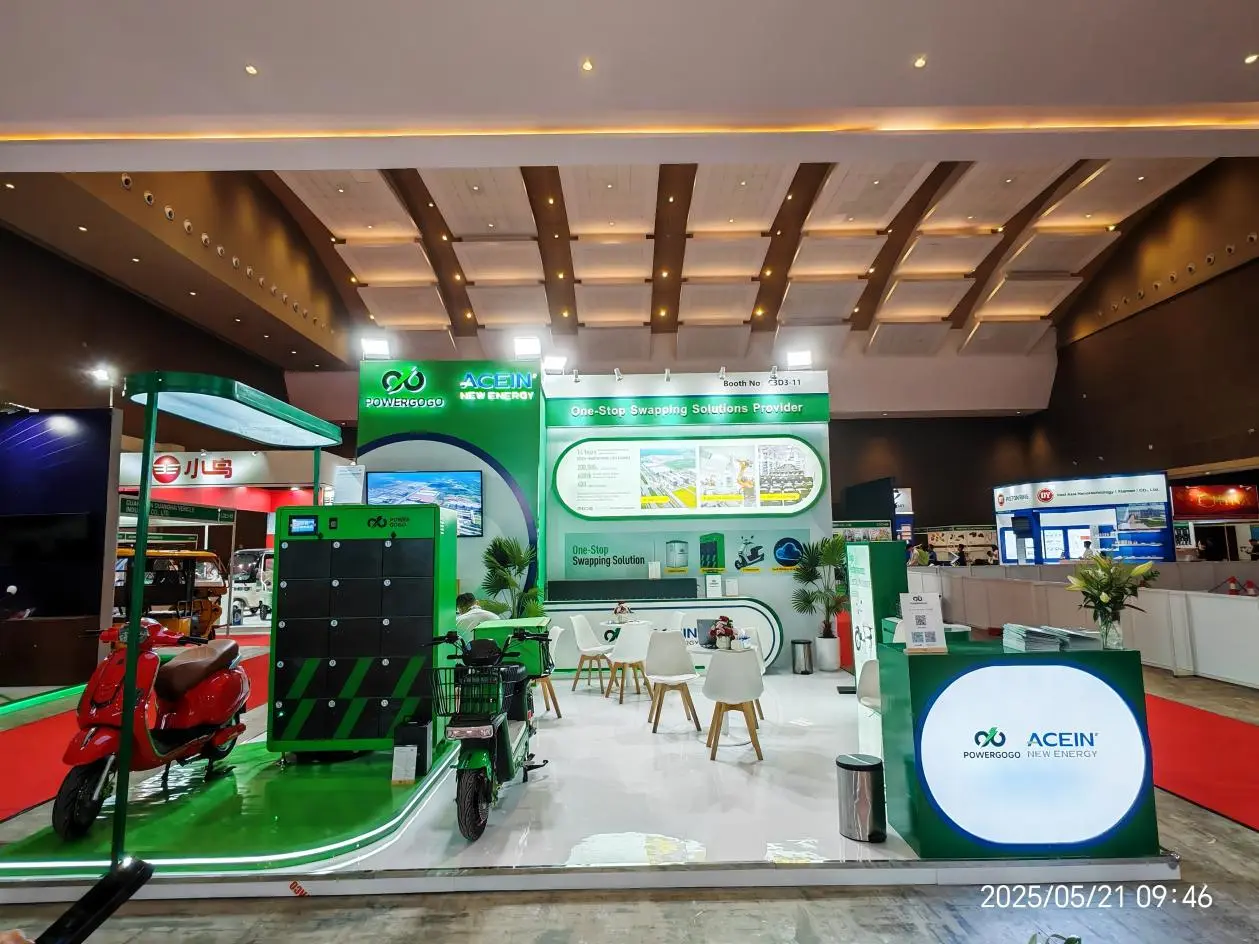
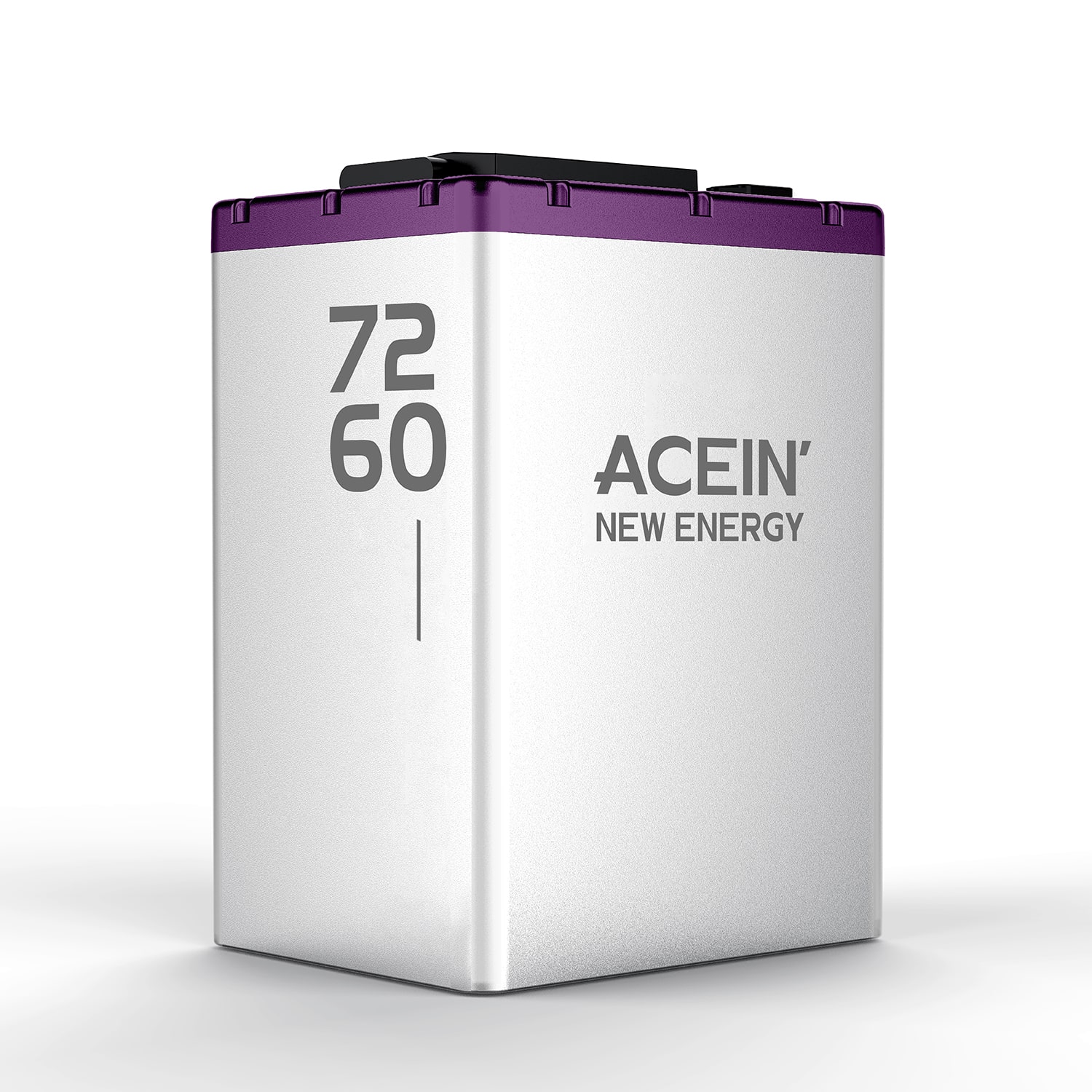
While these giants grab the headlines, the ecosystem is supported by specialized technology providers like us, Power GoGo. We operate as a one-stop solutions supplier. A company looking to set up a battery swapping network for their fleet of delivery scooters or e-rickshaws doesn’t need to engineer everything from scratch. They can partner with a company like ours to get the whole package: the durable, IP67-rated swappable batteries (like our versatile 73.4V 58Ah Swappable Battery), the automated battery swapping cabinets, the electric vehicles themselves, and the cloud-based BaaS (Battery as a Service) platform to manage it all. We provide the essential building blocks that empower businesses to integrate battery swapping effectively and affordably.
What Are the Main Advantages of Battery Swapping over Traditional EV Charging?
For a business owner like Mark, who is decisive and focused on efficiency, the advantages of battery swapping are best understood through a direct comparison. It’s not just about speed; it’s about a fundamentally smarter way to manage energy for an electric fleet. The benefits are clear and directly impact the bottom line.
Here’s a simple breakdown:
Feature
Battery Swapping
Traditional EV Charging
Time
Under 5 minutes. A quick swap that minimizes vehicle downtime.
30 minutes to 8+ hours. Vehicle is out of service during this time.
Convenience
As easy as a gas station. No need to handle heavy, dirty cables.
Requires finding a working charger and waiting.
Battery Health & Cost
Battery ownership is separated. You always get a healthy, monitored battery. No risk of degradation.
The owner is responsible for the battery, which is the most expensive part of the EV and degrades over time.
Grid Impact
Stations can charge batteries during off-peak hours, helping to stabilize the grid.
Unmanaged charging, especially during peak hours, can strain local power grids.
Upgradability
As battery technologies improve, stations can offer the latest advanced battery packs.
The vehicle is stuck with the battery it was built with.
From my perspective, the most underrated benefit is battery health. With traditional charging, the vehicle’s owner bears the risk of battery degradation, which can be accelerated by frequent fast charging. In a battery swapping model, the network operator manages the health of the entire battery pool. Each depleted battery is brought back to the swap station and charged under ideal conditions, maximizing its lifespan. This means your fleet always operates with an optimized, safe, and reliable battery, which is a huge operational advantage.
Can a Battery Swap Service Solve the High Cost of an Electric Car?
Absolutely. This is one of the most powerful aspects of the battery swapping model. The single most expensive component in any electric vehicle is the battery. It can account for 30-40% of the total vehicle cost. This high upfront price is a major barrier to EV adoption for both individual consumers and commercial fleet operators. Battery swapping offers an elegant solution through a model known as Battery-as-a-Service (BaaS).
BaaS separates the battery ownership from vehicle ownership. A customer can buy the EV without the battery at a significantly lower price. They then pay a monthly battery subscription fee to the network operator. This fee grants them access to the entire swapping network, allowing them to swap their depleted batteries for fully charged ones whenever needed. This transforms a large capital expenditure (buying the battery) into a predictable operational expense. For a business, this is a game-changer for cash flow and makes it much easier to electrify a large fleet.
This model not only reduces the initial purchase price but also eliminates concerns about battery life and replacement costs. The user never has to worry about the battery degrading and losing range, or facing a massive bill for a battery replacement down the line. If a battery underperforms, the network simply retires it. This separation of battery and vehicle de-risks EV ownership and makes the total cost of owning an EV much more attractive and predictable, which is a key concern for any procurement officer.
What are the Challenges to Global Adoption of This Swapping Technology?
While the swapping technology has proven itself in markets like China, scaling it globally presents some real challenges. The most significant hurdle that battery swapping faces is the lack of battery standardization. Many EV manufacturers design their cars around a unique, proprietary battery pack. This creates a “walled garden” where a Ford battery won’t fit in a GM, and a Tesla battery won’t fit in a NIO. Without a common standard, building a universal swapping network that serves all brands is nearly impossible.
Another major challenge is the high upfront capital investment required to build out a network of battery swap stations. Each swap station is a complex piece of infrastructure that requires real estate, grid connection, and a large inventory of expensive EV batteries. For any company entering a new market, this initial outlay can be daunting. It requires significant capital and a long-term vision, which is why government incentives have been so important in the initial ev growth phase in China.
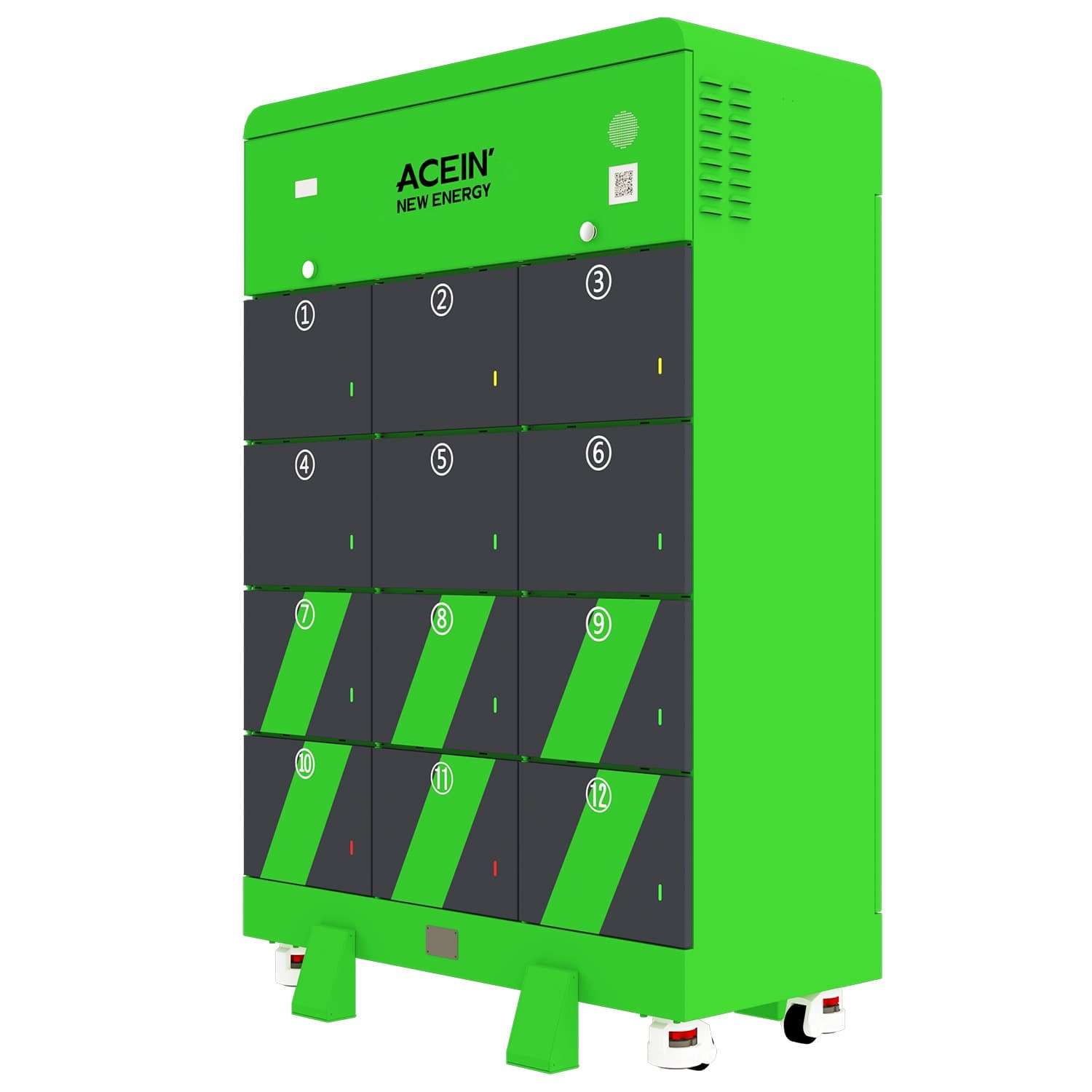
However, these challenges are not insurmountable. The industry is moving towards solutions. The push by giants like CATL for a universal battery standard is a huge step in the right direction. For the capital challenge, the focus is shifting to more targeted applications. Instead of trying to build a nationwide consumer network overnight, companies can start with B2B fleets in specific geographic areas. A logistics company can set up a few swapping stations for electric vehicles to serve their own delivery fleet. This creates a closed-loop system that is immediately profitable and scalable. At Power GoGo, our 12 Slolts Battery Swapping Cabinet is designed for precisely this purpose—a cost-effective way to start a localized battery swapping network.
How Can Businesses Integrate Battery Swapping into Their Fleets?
For business owners in logistics, food delivery, urban mobility rentals, or even tourism, the question is how to make battery swapping work for them. The process is more straightforward than you might think, especially when partnering with a one-stop solutions provider. The first step is to analyze your fleet’s operational needs: How many vehicles do you have? What is their daily mileage? Where are their primary routes? This data helps determine the optimal number and location of battery swapping cabinets.
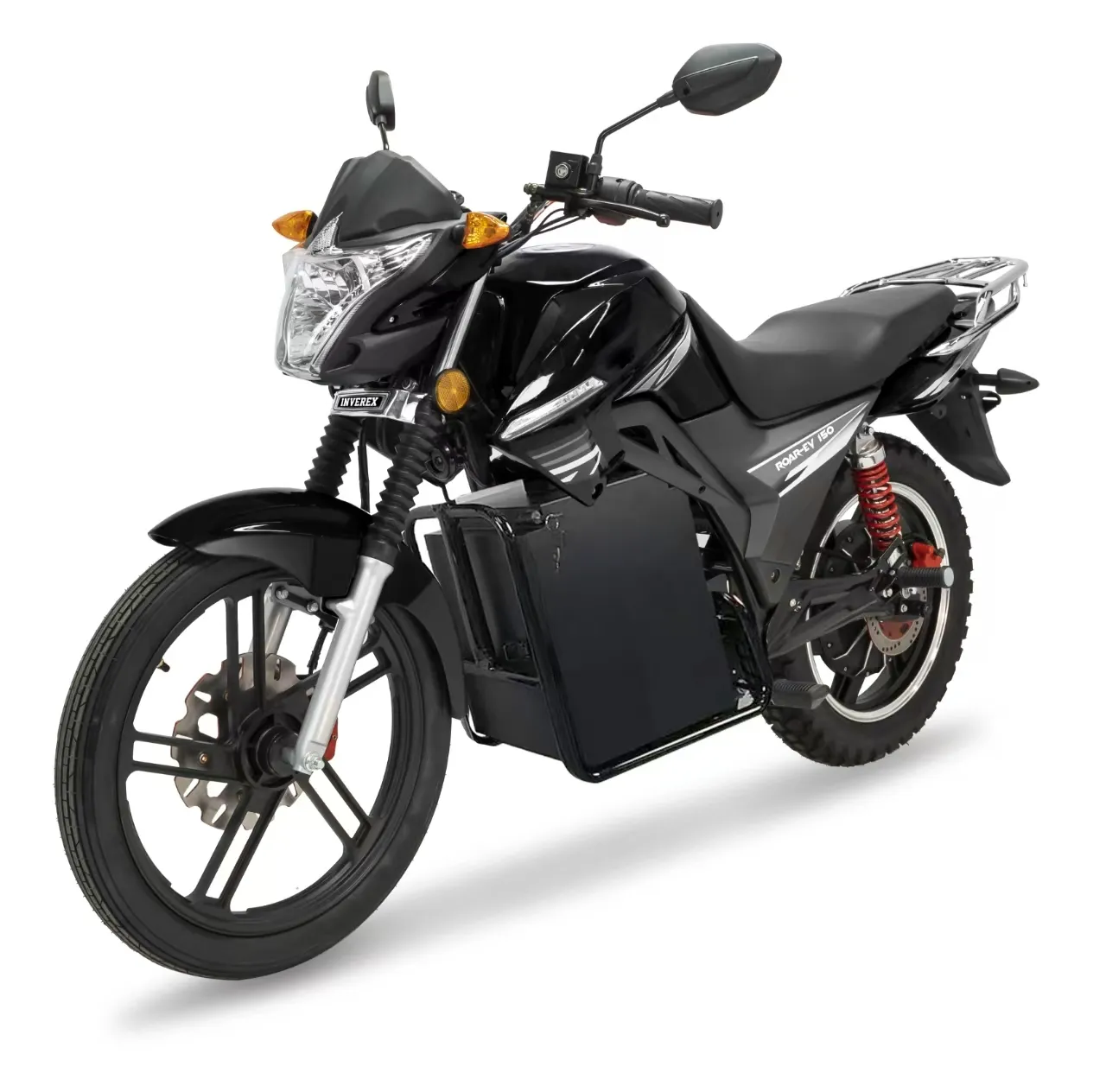
The next step is to select the right hardware. This includes the electric vehicles themselves—like our nimble EV-MY Scooter, perfect for urban delivery—and the swappable batteries that power them. The key is to ensure perfect battery compatibility and a robust design. For instance, our batteries feature automotive-grade cells with a life of up to 6,000 cycles and an IP67 waterproof casing, ensuring they can withstand the rigors of commercial use. You would then deploy the battery swapping cabinets at your depots or at strategic points along your delivery routes.
Finally, the entire operation is managed through a BaaS platform. This software is the brain of the system. It allows a fleet manager to monitor the state of charge of every battery, track vehicle locations, receive alerts for maintenance, and manage user access. This 24/7 cloud-based oversight ensures maximum efficiency and security. By integrating this complete battery swapping ecosystem, a business can virtually eliminate vehicle downtime for charging, reduce its operational costs, and present a modern, sustainable image to its customers.
What Does the Future of Electric Car Battery Technology Look Like?
The future of electric mobility is incredibly exciting, and battery technology is at its heart. We are on the cusp of major breakthroughs that will make EVs even more compelling. One of the most anticipated advancements is the solid-state battery. These batteries promise to offer higher energy density (meaning more range in a smaller, lighter package), faster charging capabilities, and improved safety compared to current lithium-ion batteries.
However, the development and mass production of these improved battery technologies will take time. This is where the flexibility of battery swapping shines. A vehicle with a fixed, integrated battery is stuck with that technology for its entire lifespan. But a vehicle designed for battery swapping is future-proof. As soon as a new, more efficient standardized battery pack becomes available, a swap station can simply add it to its inventory. A driver can pull in with an older-generation battery and leave with the latest and greatest technology.
This creates a pathway for continuous improvement that is impossible with traditional EV charging models. The swapping network can manage a mix of different battery chemistries and generations, always providing the best available option to the user. This ensures that investments made in EV fleets today will not become obsolete tomorrow. It decouples the vehicle’s lifespan from the battery‘s technology cycle, which is a powerful concept for long-term asset management. The operation of battery swapping is designed for evolution.
How Can You Choose the Right Battery Swapping Partner for Your Business?
For a discerning business leader like Mark, who values quality and reliability, choosing the right partner is the most critical decision. The market is full of suppliers, but true expertise is rare. My 14 years in battery manufacturing have taught me that cutting corners on quality is a recipe for disaster. When evaluating a potential partner for your swapping solutions, here are the key factors to consider.
First, look for deep technical expertise and proven experience. A supplier should be more than just a reseller; they should be a technology company. Ask about their R&D capabilities, the grade of their battery cells, and the intelligence of their BMS. At Power GoGo, we pride ourselves on being a technology-driven company, providing a one-stop solution that has been refined over more than a decade. We control the quality from the cell to the cabinet to the cloud platform.
Second, demand transparency and excellent communication. As a procurement officer sourcing from overseas, you know that shipment delays and poor communication can derail projects. A reliable partner provides clear timelines, robust logistics support, and is upfront about their certifications and quality inspection processes. You should feel like you have a true partner, not just a vendor. We understand that our success is tied to yours, which is why we have a dedicated global team to support clients in the USA, Indonesia, Spain, and beyond.
Finally, seek a comprehensive, integrated solution. Juggling multiple vendors for vehicles, batteries, swap station hardware, and software is inefficient and risky. A one-stop supplier ensures that all components are designed to work together seamlessly. This simplifies procurement, deployment, and maintenance, and it gives you a single point of contact for support. This integrated approach is the core of our business model, designed to eliminate the very pain points that keep fleet managers up at night.
Key Takeaways to Remember:
Speed and Convenience: Battery swapping allows an EV to be “refueled” with a fully charged battery in under five minutes, eliminating range anxiety and downtime.
Lower Upfront Cost: The Battery-as-a-Service (BaaS) model separates the battery cost from the vehicle cost, significantly reducing the initial investment for fleet owners.
Guaranteed Battery Health: In a swapping model, the network operator manages battery health, ensuring your vehicles always use an optimized, safe, and long-lasting battery.
Operational Efficiency: For commercial fleets (delivery, logistics, taxis), swapping maximizes vehicle uptime, leading to higher revenue and a better return on investment.
Future-Proof Technology: Swapping networks can easily incorporate new and improved battery technologies as they become available, protecting your fleet from becoming obsolete.
Choosing the Right Partner is Crucial: Look for a one-stop supplier with proven technical expertise, transparent communication, and a fully integrated ecosystem of hardware and software.
We use cookies to ensure that we give you the best experience on our website. If you continue to use this site we will assume that you are happy with it.