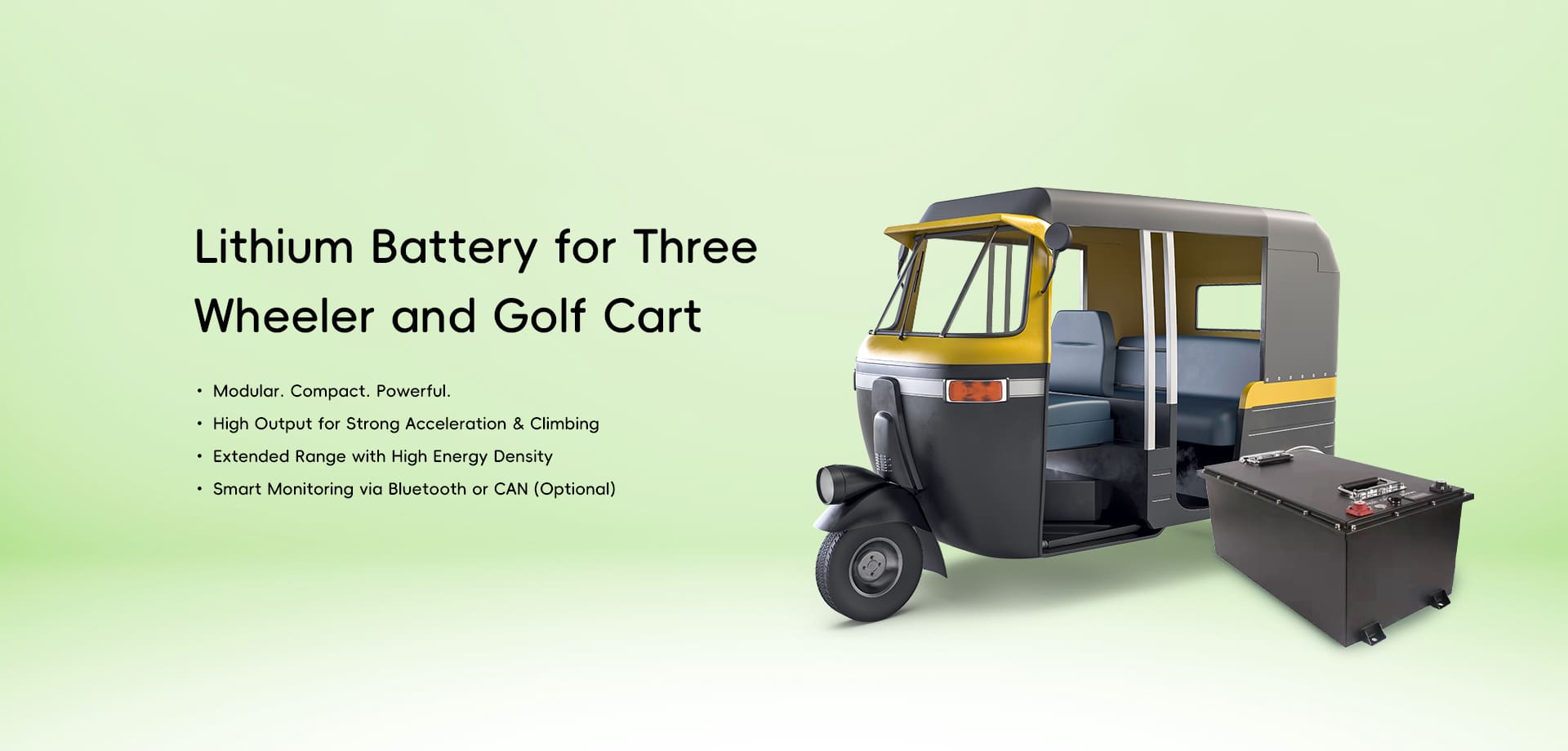
Managing a busy fleet of small electric vehicles demands your full attention. You care about system uptime, keeping operational costs low, and achieving a solid return on investment. A bad power source ruins everything. It creates unexpected downtime, upsets your drivers, and drains your maintenance budget. In this post, we discover the best electric golf setups available on the market today. We explain exactly why modernizing your energy strategy makes pure financial sense. Read this complete guide to evaluate and select the ultimate battery for your electric golf vehicles.
Whether you manage an urban scooter rental or a high-traffic delivery service, the rules are the same. Time is money. Let’s dive into the details so you can make an informed decision for your business.
What battery types do golf carts use most frequently today?
When you start looking into power solutions, you will notice a few main battery types. The technology has evolved, but two categories dominate the market. Historically, golf carts use heavy, traditional lead-acid batteries. These units have been the industry standard for decades. They are familiar, widely available, and heavily tested.
However, the modern landscape is shifting rapidly. Many commercial fleets now adopt advanced lithium-ion batteries. This newer technology brings massive benefits. You get a drastic reduction in vehicle weight and an incredible increase in total cycle counts. But why do some operations managers still hesitate to make the switch?
The upfront cost is usually the biggest sticking point. A brand-new lithium pack looks more expensive on the first invoice. Yet, a budget-conscious fleet director must look past that initial price tag. You must evaluate the long-term savings. When you factor in the labor saved and the extended lifespan, the math changes completely.
Why do some operations still rely on lead-acid setups?
It might seem strange to stick with older technology when better options exist. Many older fleets still run on standard lead-acid units strictly due to their affordability on day one. A casual user who only takes a leisurely ride across the local golf course twice a week might not need maximum range. For these casual users, the cheapest initial option often seems good enough.
But this choice comes with hidden, recurring costs. These batteries require constant, hands-on attention. You must regularly deal with distilled water and schedule frequent water refills. They are highly prone to acid flood issues if a worker accidentally overfills them.
Without strict routine upkeep, their holding capacity drops incredibly fast. You must regularly inspect and clean every single terminal to prevent corrosion. If you skip this step, the voltage drops, the connections heat up, and the vehicle eventually stalls out on the road.
Are lithium batteries the right battery for high-demand fleets?
If you manage a busy commercial operation, upgrading your power source is a no-brainer. For high-demand applications, a modern lithium pack is absolutely the right battery. These units are completely maintenance-free. You never have to add water. You never have to scrub away toxic acid spills.
They deliver amazing performance and convenience. They charge faster than older models, getting your vehicles back to work quickly. More importantly, they offer a much longer lifespan, often lasting up to 6,000 cycles depending on the chemistry. They provide strong, consistent power until they are nearly empty.
When a golfer or a last-mile delivery driver hits the accelerator, they expect a smooth, strong response. That is exactly what lithium delivers. It transforms the driving experience while simultaneously slashing your operational headaches.
“Switching to lithium technology eliminated our weekly watering schedule. We saved hundreds of labor hours in the first year alone.” — A satisfied fleet operator.
How does the specification of an 8v or 12v battery impact your fleet?
Vehicle power systems vary widely. You might operate a 36v or 48v setup. To reach that target voltage, older fleets wire together several smaller units. For example, you might string together a series of 6v, an 8v, or even multiple 12v batteries. The exact specification dictates the final output and weight of the vehicle.
However, the more units you wire together, the more points of failure you create in your system. A modern 48v system built with a single 48v lithium pack changes the game entirely. It guarantees higher capacity and a significantly longer driving range.
Always ensure the pack perfectly fits your needs and matches your specific cart model. Check the voltage requirements of your motor controller before purchasing.
| Feature |
Multiple 8V Lead-Acid |
Single 48V Lithium Pack |
| Weight |
Very Heavy (~300 lbs) |
Lightweight (~80 lbs) |
| Wiring |
Complex, multiple cables |
Simple, plug-and-play |
| Voltage Drop |
Noticeable under load |
Minimal, stays strong |
| Maintenance |
High (watering, cleaning) |
Zero (BMS managed) |
How to choose the best golf cart batteries for your daily operations?
When you decide to choose the best, you have to look closely at the numbers. The best golf cart batteries maximize your cart’s performance while minimizing your daily labor. You want exceptional durability and a high battery capacity to ensure your vehicles run all day long.
A premium high-quality, deep-cycle unit is built specifically for repeated heavy draining and charging. Do not just buy the cheapest option you find online. Premium power packs ensure great performance and longevity.
Before you finalize any purchase, always look for warranties. A solid warranty from a trusted manufacturer guarantees your investment will perform well for years to come.
What maintenance tips improve battery life and prevent a hazardous overcharge?
Even the toughest power packs need a little basic care. Following simple maintenance tips significantly extends your overall battery life. For traditional units, maintaining the correct fluid levels is the absolute key to survival. However, for any type of power unit, your charging habits are critical.
Batteries often fail prematurely simply because of an overcharge. Using a modern smart charger is the absolute best way to protect your investment. It actively monitors the charge level and stops the flow of electricity automatically.
A severe overcharge can be extremely hazardous, potentially causing fires, swelling, or destroying the internal cells. Regular visual inspections reduce unexpected maintenance needs and keep your fleet moving safely. Check your cables monthly for wear and tear.
Should you upgrade to modern battery technology right now?
Many fleets eventually reach a breaking point with old technology. When older units fail, replacing them with the exact same old tech is usually a mistake. Doing an upgrade to a modern system is highly cost-effective over a three- to five-year span. You instantly eliminate your watering labor. You drastically cut vehicle downtime.
Battery technology has advanced at a staggering pace. Replacing old lead-acid units reduces the vehicle’s weight and massively boosts reliability. You get significantly more miles on a single charge.
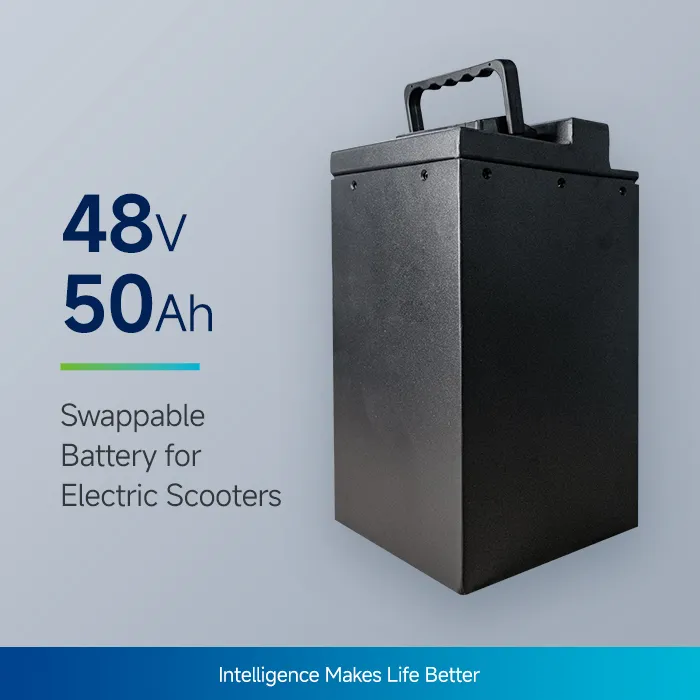
By installing a robust, smart pack like our 48V50Ah Iron Lithium Swappable Battery, your vehicles gain a new lease on life. This swap dramatically reduces the need to buy extra backup vehicles just to cover long charging shifts.
What key features define the best battery for a street-legal fleet?
Urban mobility and delivery logistics are highly demanding. If you run street-legal neighborhood vehicles or heavy delivery carts, your power needs change completely. The key features you require include rapid energy delivery, strict weather resistance, and smart tracking. You simply cannot afford to have a vehicle die in the middle of busy traffic.
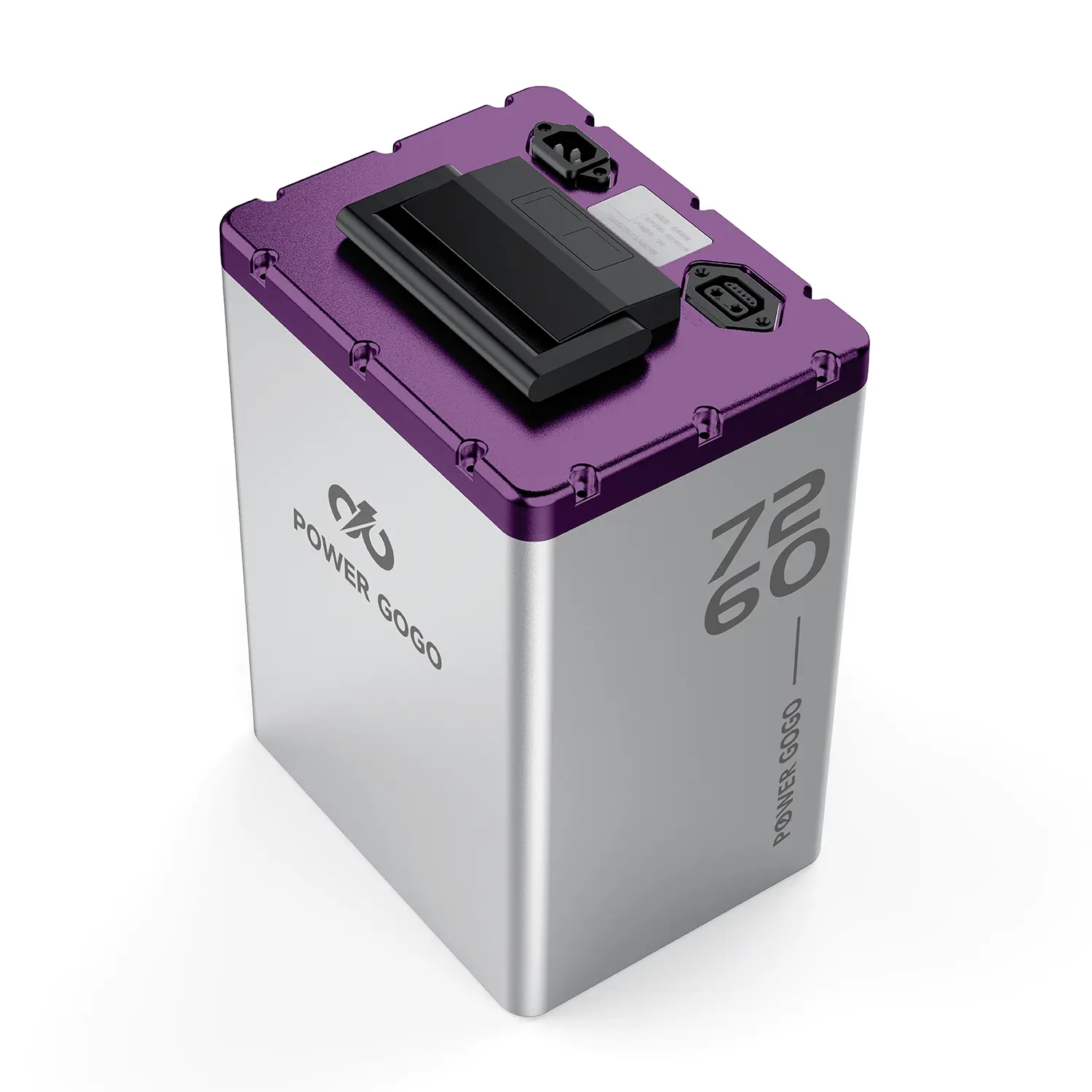
For these heavy-duty applications, a high-voltage, swappable solution is often the best choice. For example, a heavy utility vehicle thrives when paired with a 72V40Ah Swappable Battery. This ensures the golf cart’s motor always receives ample torque for climbing steep hills and carrying heavy cargo loads.
Investing in the right specs upfront drastically reduces your long-term replacement costs.
How does the charger affect your operational schedule?
The charger you use is just as important as the power pack itself. An inefficient charger causes major daily delays. If you have to wait eight to ten hours for a complete charge, that vehicle is practically useless for an entire working shift. A modern smart charger adapts to the battery’s specific condition, optimizing the flow of electricity to protect the battery’s lifespan.
When you transition your fleet to a swapping model, the charging happens off-board. The depleted packs sit inside a secure, connected cabinet. This means your fleet drivers never wait around. They just grab a fresh pack and get back on the road.
If you are running a robust utility EV fleet, decoupling the vehicle from the wall plug is the ultimate operational hack.
How do you find a reputable supplier with a wide selection of products?
You need a true technology partner, not just a basic parts vendor. Find a reputable B2B supplier that actually understands your operational pain points. A good supplier offers a wide selection of products and a complete, integrated ecosystem.
When you use your golf cars or utility vehicles for daily business, you need hardware and software that talk to each other seamlessly. By integrating a smart 12 Slolts Battery Swapping Cabinet, you take full, real-time control of your fleet’s energy management.
A great supplier actively helps golf cart owners transition smoothly from old tech to new tech. Whether you are outfitting a single new golf cart or upgrading an entire regional fleet, the right partner guarantees your success.
Summary: Key Takeaways for Fleet Managers
- Understand the Tech: Moving from older lead-acid batteries to modern lithium-ion batteries is the most effective way to boost fleet efficiency.
- Total Cost Matters: The upfront cost of lithium is higher, but it is highly cost-effective over its longer lifespan.
- Stop the Maintenance: Lithium packs are completely maintenance-free, eliminating the need for distilled water and messy routine upkeep.
- Protect Your Investment: Always use a smart charger to prevent a hazardous overcharge and ensure consistent power.
- Match Your Specs: Ensure the voltage and battery capacity perfectly match your cart model to maximize your driving range.
- Choose the Right Partner: Work with a reputable supplier who offers a wide selection of batteries, smart cabinets, and a solid cloud management platform.
Making the switch might seem daunting at first, but the operational clarity and financial savings make it worthwhile. You will keep your vehicles moving, your drivers happy, and your business profitable.