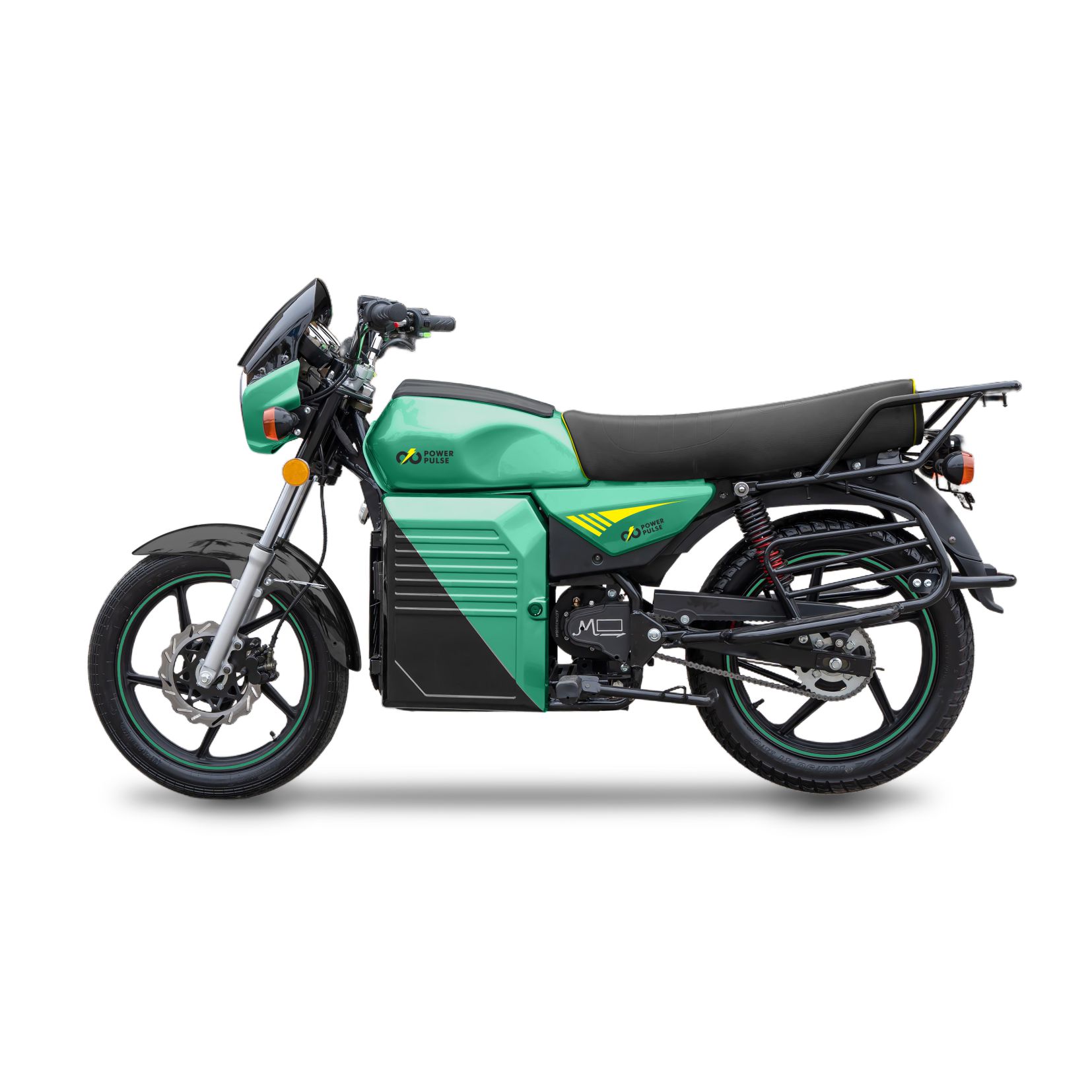
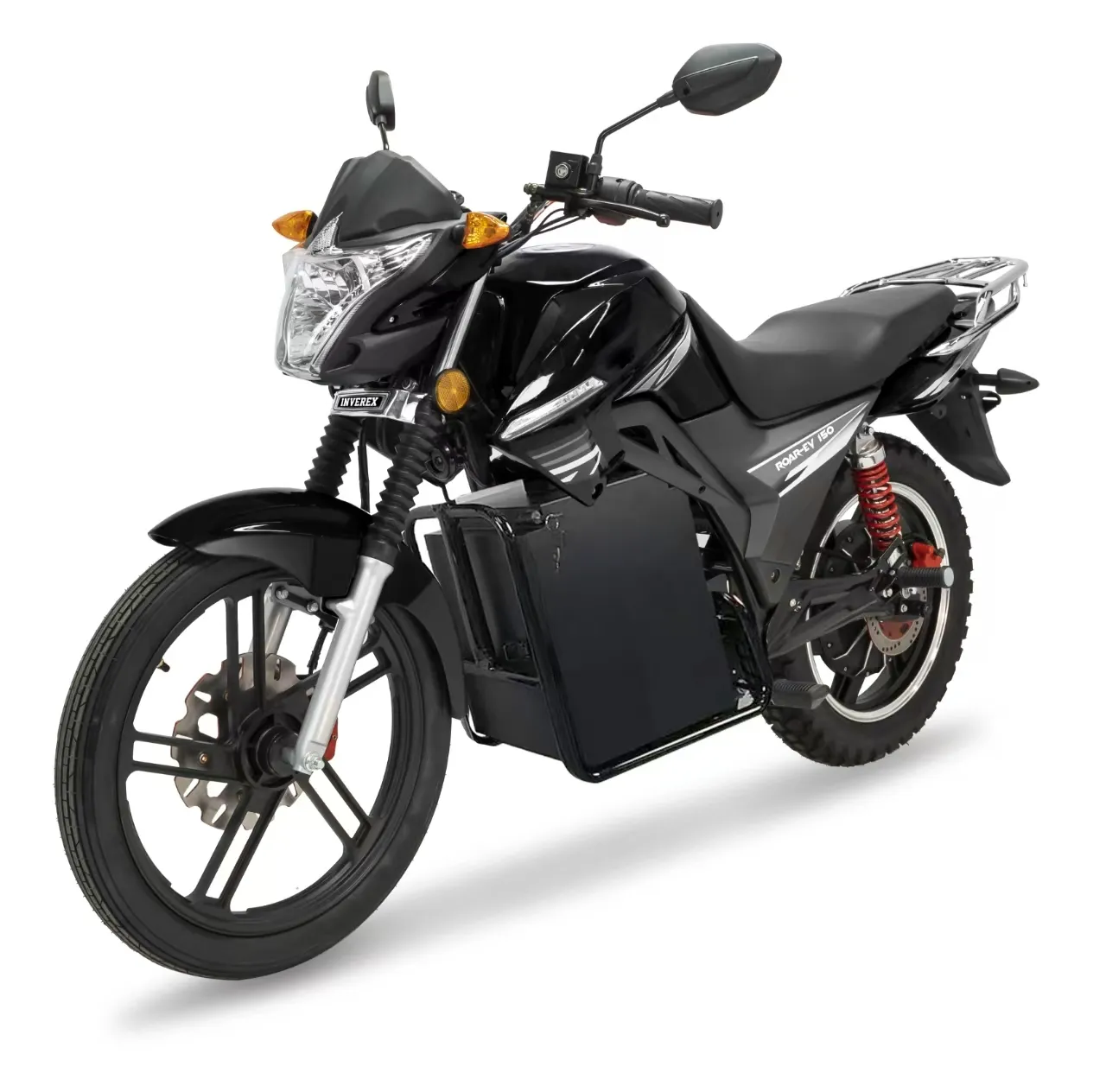
The shift toward cleaner, more efficient mobility is unstoppable. Whether you manage a massive urban delivery fleet or simply want a smoother daily commute, understanding the mechanics behind the modern electric vehicle is vital. This guide explores why the traditional two-wheeler is evolving rapidly. We will look at why operations directors and independent riders are choosing electric today. You will discover the deep financial benefits, the technological leaps, and how adopting this technology can drastically streamline your logistics and cut daily running costs.
What makes the electric motorcycle riding experience so different from a gas motorcycle?
When you first ride an electric motorcycle, the absolute silence is usually the most startling part. Gone is the loud, rattling rumble of an internal combustion engine. Instead, a smooth, quiet electric motor simply propels you forward. This change transforms the riding experience from a noisy, vibrating chore into a highly focused glide. For a professional delivery rider spending eight hours in the saddle, this lack of vibration means significantly less physical fatigue at the end of the shift.
Unlike a conventional motorcycle, an electric bike requires almost no manual input to shift gears. You do not have to worry about matching revs; you simply twist the throttle and go. The complete absence of a manual clutch makes navigating tight urban streets incredibly easy. When weaving through alleys or managing a complex delivery route, skipping those constant gear changes saves immense physical and mental effort.
“Electric mobility isn’t just about saving the planet; it is about making the driver’s job significantly easier and safer every single day.”
Why is an electric motorcycle easier to ride for a novice rider?
Because you don’t have to juggle a clutch and gears, learning to operate these machines is incredibly simple. You really only need to balance the bike and twist the throttle. It is often said in the electric motorcycle industry that if you can ride a heavy bicycle, you can handle a battery-powered scooter. This ease of use is a massive advantage for fleet operators who need to hire and train new staff quickly without putting them through weeks of extensive rider courses.
While you still need a standard motorcycle license or a specific motorcycle endorsement in many jurisdictions, the psychological barrier to entry feels much lower. A motorcycle without a roaring engine and a complex gearbox is much less intimidating. Workers can just hop on and perform their duties. This makes a brand-new electric model highly attractive to younger, tech-savvy workers joining the fast-paced delivery sector.
How does an EV deliver such thrilling instant power and torque?
Gasoline engines need precious seconds to build up RPMs before they reach their peak power band. An electric motor is entirely different by design. It delivers instant torque the exact millisecond you turn the handle. This instant power means a seemingly small motorcycle might accelerate much faster off the stopline than a heavy petrol bike or even a sports car. Whether it’s a nimble city commuter or a rugged off-road dirt bike, the immediate throttle response is phenomenal.
This rapid acceleration is not just for a track racer. In heavy urban traffic, having immediate, predictable power allows a rider to safely maneuver out of blind spots or merge smoothly into fast-moving lanes. High-end, famous models like the Harley LiveWire have popularized this incredible, silent speed. They prove that while electric motorcycles cost more upfront, they deliver unmatched performance and safety when you need to move quickly.
Are electric motorcycle riders truly saving money with low maintenance?
Yes, the long-term savings are real, measurable, and substantial. An electric vehicle operates with drastically fewer moving parts than a standard ICE bike. There is no dirty engine oil to change, no spark plugs to replace, and no complex exhaust system to rust over time. This translates directly to incredibly low-maintenance daily operations. For a logistics business, less maintenance means more hours on the road actively earning money.
When you carefully calculate the total cost of ownership, the combined fuel and maintenance savings quickly offset any higher purchase price at the dealership. A traditional gas motorcycle spends days out of service in the shop for routine engine tune-ups. In stark contrast, an ev generally just needs basic tire checks and occasional brake pad replacements. Many riders and fleet managers report their repair bills drop to near zero after making the switch to electric power.
What should you know about EV charging and battery life for your bike?
The fueling process is the most talked-about aspect of owning an electric motorcycle. Unlike filling up a gas bike at a pump in three short minutes, charging an ev takes a bit of planning. Most independent owners rely heavily on overnight charging using a standard wall plug in their garage, which is technically considered level 1 charging. By charging at home or at the company depot, the bike is perfectly ready every morning with a full charge. A typical battery pack might hold 3 or 4 kWh of energy, which dictates its range.
However, public charging infrastructure is still growing and adapting to two-wheelers. While cars can plug into fast networks, a small motorcycle often uses a basic charger that only adds a few miles of range per hour. That is exactly why commercial fleets prefer smart systems utilizing a removable battery. Instead of waiting hours for a recharge, workers simply pull into a depot and swap the depleted power pack in mere seconds.
Is the transition from a petrol bike to EVs a cost-effective move for fleets?
When a business plan to get one, the initial retail price might cause some hesitation. However, the month-to-month operational savings are simply too massive to ignore. Electricity is far cheaper per mile than gasoline. A fleet manager will see immediate, drastic drops in daily fuel expenses. Over a period of two to three years, ev motorcycles literally pay for themselves through these accumulated savings. When operations managers switch to electric, the results are undeniable.
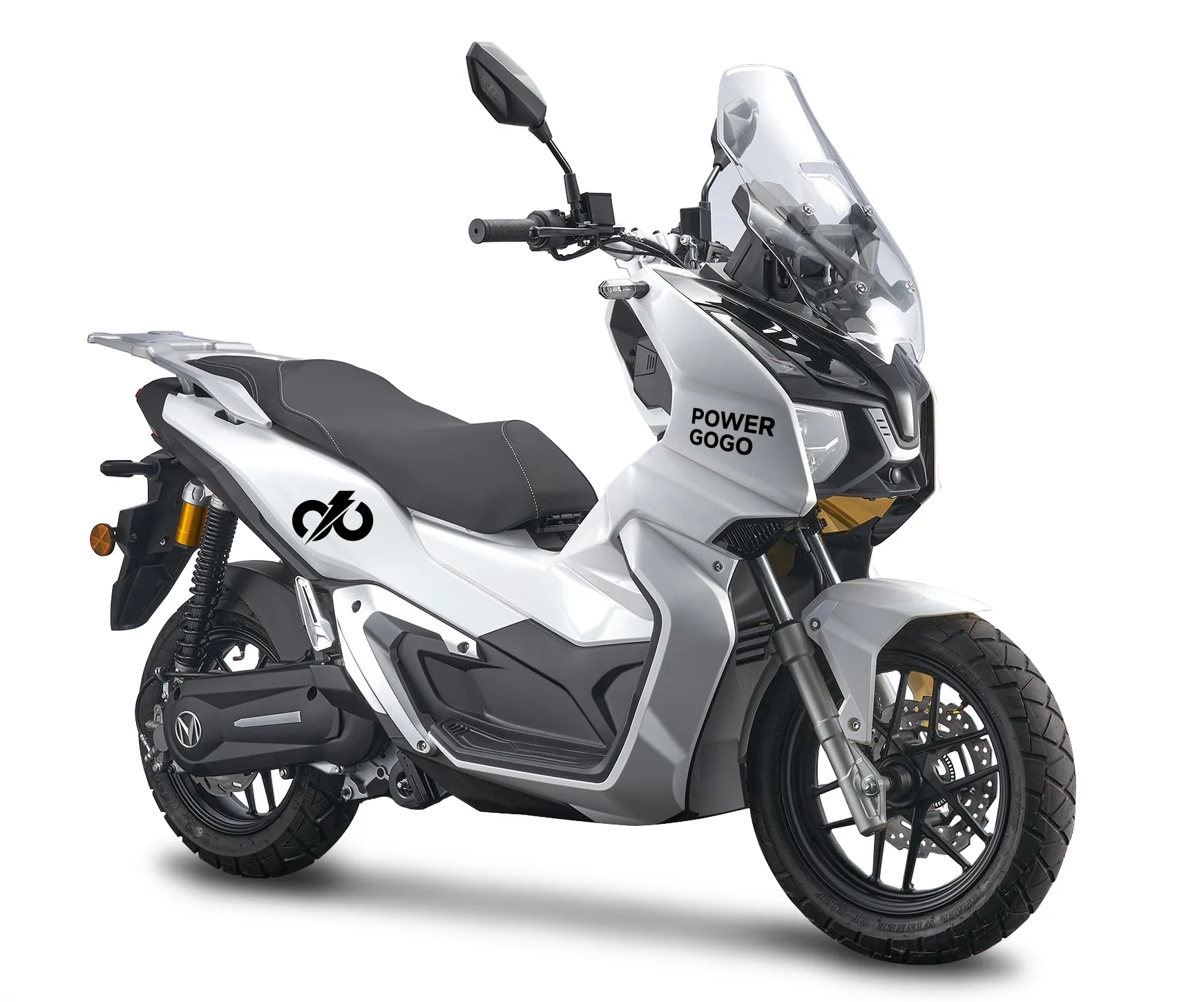
Furthermore, deploying an eco-friendly fleet significantly boosts a company’s public image and brand trust. Customers appreciate businesses that actively work to reduce toxic tailpipe emissions in their neighborhoods. If you integrate a heavy-duty model like our versatile EV-MY Scooter, you get the cargo and passenger capacity you need with the running costs of a bicycle. It is a highly smart, calculated investment for the future.
How do EVs handle city riding and commute traffic compared to an ICE bike?
Dense urban traffic is exactly where a battery-powered bike truly shines. In frustrating stop-and-go traffic, a conventional motorcycle sits and idles, actively wasting expensive gas and generating immense heat that cooks the rider’s legs. An electric motorcycle creates almost zero heat and uses absolutely zero energy when stopped at a red light. It is perfect for heavy-duty commuting or weekend errands in busy downtown districts.
Another massive mechanical benefit is regenerative braking. When you roll off the throttle or gently apply the brake, the electric motor actually runs in reverse. It acts as a powerful generator, capturing kinetic energy and feeding it straight back into the battery. This clever regenerative feature actively extends your miles of range, especially in crowded cities where you are forced to stop and start frequently.
| Feature |
Gas Motorcycle |
Electric Motorcycle |
| Idling Energy Use |
High (Wastes fuel) |
Zero |
| Heat Generation |
High (Uncomfortable in traffic) |
Very Low |
| Braking Energy |
Lost as heat |
Captured via Regenerative Braking |
What advanced safety systems and brakes come standard on a modern electric motorcycle?
Because these modern vehicles are fundamentally driven by smart software, integrating advanced safety features is much easier for engineers. Traction control on an electric bike is highly precise. If the computer senses the rear wheel slipping on wet or oily pavement, it instantly cuts power to the motor in milliseconds, actively preventing a dangerous crash. These motorcycles even sync with fleet management apps to monitor rider safety habits.
Likewise, anti-lock braking systems (ABS) are becoming a standard requirement on many high-quality models. The brake systems on an electric motorcycle are often purposely over-engineered to safely handle the slightly heavier weight of the lithium batteries. When it comes to electric vehicle design, the seamless combination of strong hydraulic brakes and smart digital sensors makes them some of the safest two-wheelers on the road today.
Will a brand-new electric bike provide enough miles on a single charge for a full day?
Range anxiety is a very real concern for newcomers, but battery technology is improving at an astonishing rate. A modern battery life span is excellent, often easily allowing a rider to travel 50 to 80 miles before needing to plug in. For the average urban commute to an office, this is more than enough power on a single charge to get through the entire week.
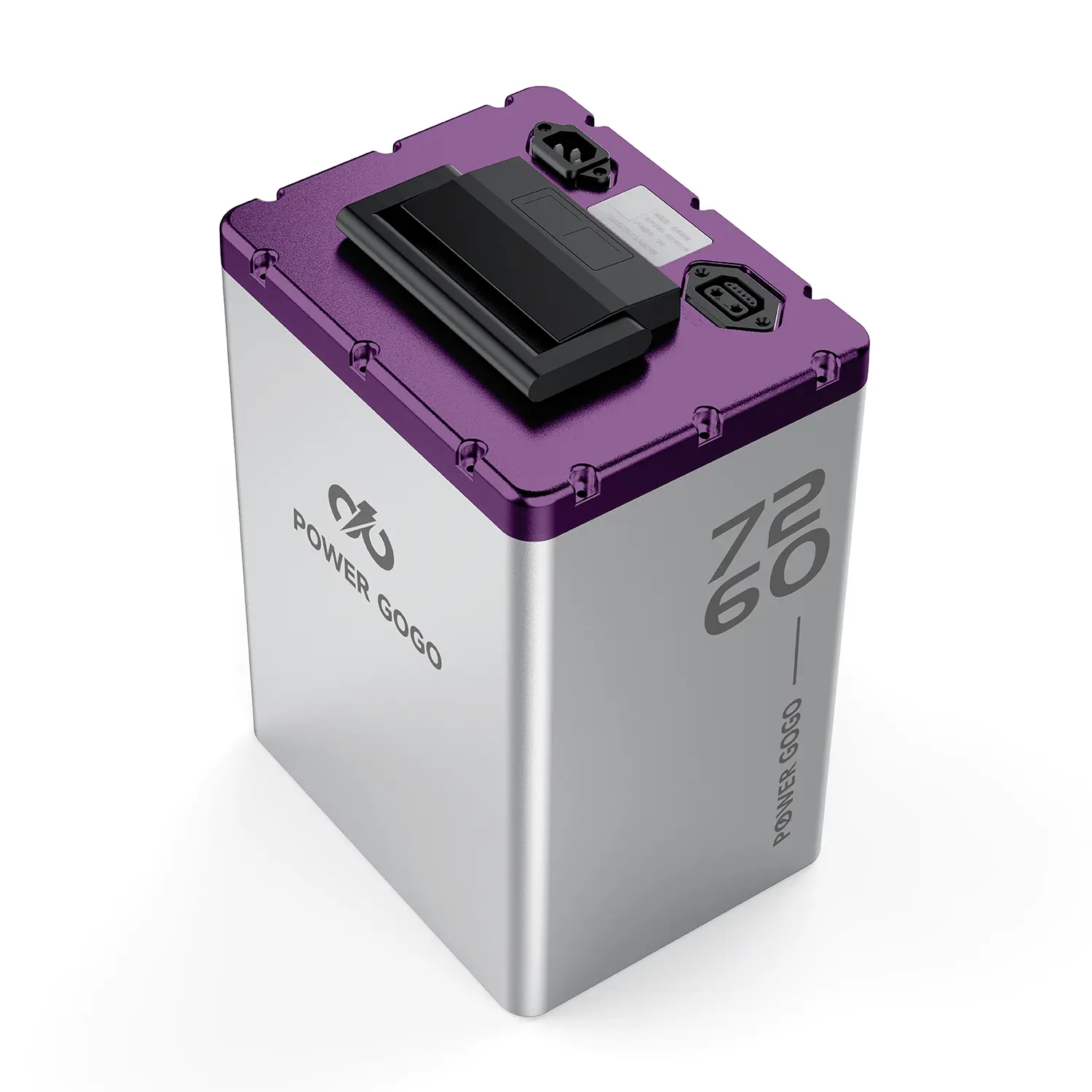
However, for commercial delivery riders who easily push 100 miles a day, a single built-in battery will not cut it. They require a system explicitly designed for continuous, heavy use. By using fleet-ready vehicles fully compatible with our durable 72V40Ah Swappable Battery, a rider never runs out of juice. Before you get your motorcycle out for a shift, you just grab a fresh pack. They simply pull over, swap it out, and keep working without interruption.
How are swapping solutions reshaping the electric motorcycle industry?
The biggest logistical bottleneck for any electric vehicle is the sheer time it takes to charge. Battery swapping stations solve this problem completely. A rider pulls up to a cabinet, removes a dead battery, inserts a fully charged one, and leaves. This totally eliminates the need for expensive, extensive wired ev charging setups taking up space at your warehouse. Motorcycles are no exception to the rapid electrification trend, and swapping is the key to scaling operations.
It also protects your long-term capital investment. You do not have to worry about costly batteries degrading over years of heavy use because the swapping network provider constantly maintains, monitors, and upgrades them. When you utilize a smart 15 Slots Battery Swapping Cabinet, you are effectively building a reliable, self-sufficient fuel network. Going electric with a swapping ecosystem ensures your fleet never stops moving.
Summary of Key Takeaways
- Instant Performance: Enjoy thrilling instant torque and smooth acceleration without the hassle of a manual clutch.
- Massive Cost Reductions: Drastically lower your daily fuel and maintenance expenses compared to running a traditional gas motorcycle.
- Simplified Training: The “twist and go” nature makes the electric bike much easier to ride for new fleet employees.
- Urban Efficiency: Features like regenerative braking and zero idling make EVs the ultimate tool for city riding and stop-and-go traffic.
- Eliminate Range Anxiety: Implementing battery swapping cabinets removes the long wait times associated with traditional charging stations.
- Enhanced Safety: Modern safety systems, including traction control and advanced anti-lock brakes, keep riders safer on unpredictable city streets.