The global landscape of electric mobility is undergoing a seismic shift, moving beyond the static model of plugging in to the dynamic efficiency of the swap. For fleet operators and industry watchers, the rapid expansion of the battery swapping market represents more than just a trend; it is the unlocking of a bottleneck that has long plagued the electric vehicle sector. We are witnessing a transition where the speed of energy replenishment finally matches the pace of modern logistics. This article explores the explosive growth of the battery swapping industry, the pivotal role of major players like CATL, and why investing in battery swapping infrastructure market solutions is the strategic move for businesses aiming to dominate the future of transportation.
Why Is the Global Battery Swapping Market Exploding Right Now?
The market for battery swapping is experiencing unprecedented growth, driven by a convergence of technological maturity and urgent operational needs. We are seeing a departure from the early skepticism that surrounded the concept of battery swapping. Today, the battery swapping market is fueled by the realization that electric vehicle charging via cables simply cannot scale fast enough to meet the demands of commercial fleets. Time is the most critical asset in logistics, and the battery swapping model returns that time to the operator. The market is expected to grow at a compound annual growth rate that outpaces traditional charging solutions, signaling a massive shift in capital allocation.
This explosion is not random; it is structural. Governments and battery manufacturers are recognizing that to achieve mass adoption of battery swapping and electric mobility, they must solve the “downtime” problem. A battery swap station can service hundreds of vehicles a day, whereas a fast charger might only manage a dozen. This efficiency density makes the battery swapping infrastructure market highly attractive to investors and city planners. Furthermore, the increasing adoption of electric two-wheelers and three-wheelers in dense urban areas has created a perfect testbed, proving that swapping infrastructure has the potential to replace gas stations as the primary energy nodes in our cities.
How Does Battery Swapping Infrastructure Solve the Charging Bottleneck?
The traditional charging infrastructure faces a physical limit: the chemical reaction speed of lithium ions. No matter how fast a “supercharger” gets, it cannot beat the mechanical speed of a vehicle battery swap. For a logistics company, every hour a truck or scooter spends tethered to a plug is an hour of lost revenue. Battery swapping offers a solution where the energy transfer is instantaneous from the driver’s perspective. The battery swapping infrastructure market is essentially selling time and convenience, commodities that are invaluable in the logistics sector.
By deploying battery swapping networks, we decouple the charging process from the vehicle’s operation. The battery swap station charges the depleted batteries slowly and safely in a controlled environment, while the electric vehicle gets a fresh battery pack in minutes. This solves two problems: it eliminates range anxiety for the driver, and it reduces the strain on the power grid. Charging and battery swapping are often seen as competitors, but in reality, swapping is the superior solution for high-utilization assets. The construction of battery swapping stations allows for better energy management, as these stations can act as grid storage units, absorbing power during off-peak hours and dispensing it during the day.
What Role Does CATL Play in Revolutionizing the Battery Swapping Industry?
When a giant moves, the earth shakes. CATL (Contemporary Amperex Technology Co. Limited), the world’s largest battery manufacturer, has aggressively entered the battery swapping industry with its EVOGO brand and “Choco-SEB” battery swapping block. This is a watershed moment. CATL is not just making cells; they are defining the battery standards for the entire ecosystem. Their entry validates the battery swapping market and pushes battery standardization to the forefront.
CATL’s battery technology focuses on a modular battery architecture. Instead of one massive, immovable slab, the battery is broken down into smaller, swapable blocks. This means a user can choose to rent one block for city driving or three blocks for a long trip. This flexibility is a game-changer for battery swapping solutions. It addresses the compatibility issues that have historically fragmented the market. By leveraging their dominance in battery production, CATL is driving down costs and improving battery technology, making the swapping solution viable for a much wider range of passenger and commercial vehicles. Their involvement signals that battery swapping is not a niche workaround, but a central pillar of the future automotive landscape.
How Do Battery Swapping Stations Actually Work for Commercial Fleets?
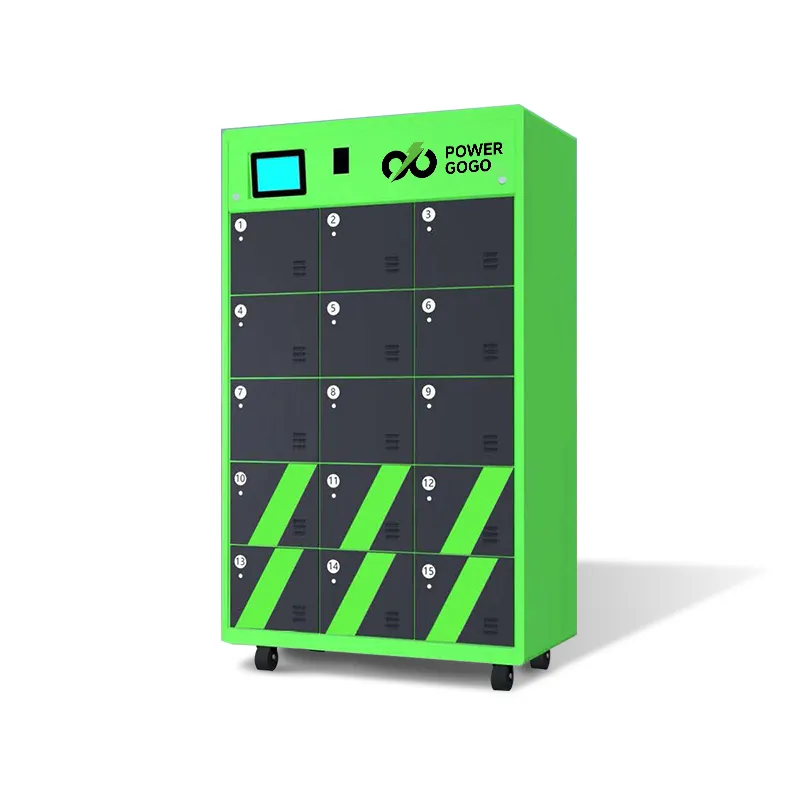
The operation of battery swapping stations is a marvel of automation and efficiency. For commercial fleets, reliability is key. When a driver enters a battery swap station, the system identifies the vehicle and the user account. In automated systems for cars, robots remove the drained battery from the chassis and replace it with a fully charged one. For electric scooters and light logistics vehicles, the driver typically uses a swapping cabinet. They scan a QR code, a door pops open, they insert the empty battery, and seconds later, a different door releases a fresh battery.
This process relies on sophisticated battery swapping technology. The station is not just a vending machine; it is a diagnostic center. As soon as the battery is inserted, the station checks its battery health, temperature, and cycle count. If a battery is damaged, the system locks it down and alerts maintenance. This ensures that every battery dispensed is safe and performs optimally. For ev battery swapping to work at scale, this seamless interaction between the swapping station, the battery, and the cloud platform is essential. It turns complex battery management into a simple, user-friendly experience.
Is the Battery Swapping Charging Infrastructure Market Financially Viable?
Critics often point to the high capital cost of deploying battery swapping stations. However, the economics of the battery swapping charging infrastructure market are shifting rapidly. While the initial investment in stations in urban centers is significant, the long-term ROI is compelling. This is largely due to the extended battery lifespan achieved through centralized charging. In a swapping network, batteries are charged under optimal conditions—controlled temperature and steady current. This prevents the rapid degradation seen in fast-charging scenarios, preserving the value of the battery assets.
Furthermore, investing in the battery swapping sector opens up new revenue streams. The station operator doesn’t just sell electricity; they sell a service. They can offer tiered subscriptions, data insights for logistics companies, and even grid balancing services. The battery swapping charging infrastructure market is evolving into a utility-like model. As battery costs continue to fall and swapping technology becomes more standardized, the break-even point for a battery swap station is reached much faster. For fleet operators, the “cost per mile” using battery swapping is becoming significantly lower than internal combustion alternatives, driving further demand for the infrastructure.
How Does Battery Ownership Change with the “Battery as a Service” Model?
The battery swapping model fundamentally alters the concept of battery ownership. In the traditional EV model, the battery purchase is tied to the vehicle, accounting for 30-40% of the sticker price. Battery swapping enables battery leasing, or “Battery as a Service” (BaaS). The fleet operator buys the vehicle chassis but subscribes to the energy. This drastically lowers the upfront capital expenditure required to electrify a fleet.
This separation of vehicle and battery creates a more flexible asset class. You are no longer stuck with a degrading battery that lowers your vehicle’s resale value. The swapping network provider assumes the risk of battery health and battery replacement. For the user, it guarantees a battery that works every time. This model is particularly powerful for commercial logistics, where cash flow is king. It transforms a massive capex line item into a predictable, manageable opex cost. Battery leasing through swapping is the catalyst that allows small and medium-sized businesses to transition to electric mobility without breaking the bank.
Can Standardization and Modular Battery Designs Drive Mass Adoption?
The holy grail of the battery swapping industry is the universal battery. Historically, every manufacturer built a proprietary battery pack, making a shared swapping network impossible. However, the push for battery standardization is gaining momentum, led by consortiums and giants like CATL. Standardized battery packs allow different vehicle brands to use the same battery swap station. This interoperability is crucial for the scalability of battery swapping.
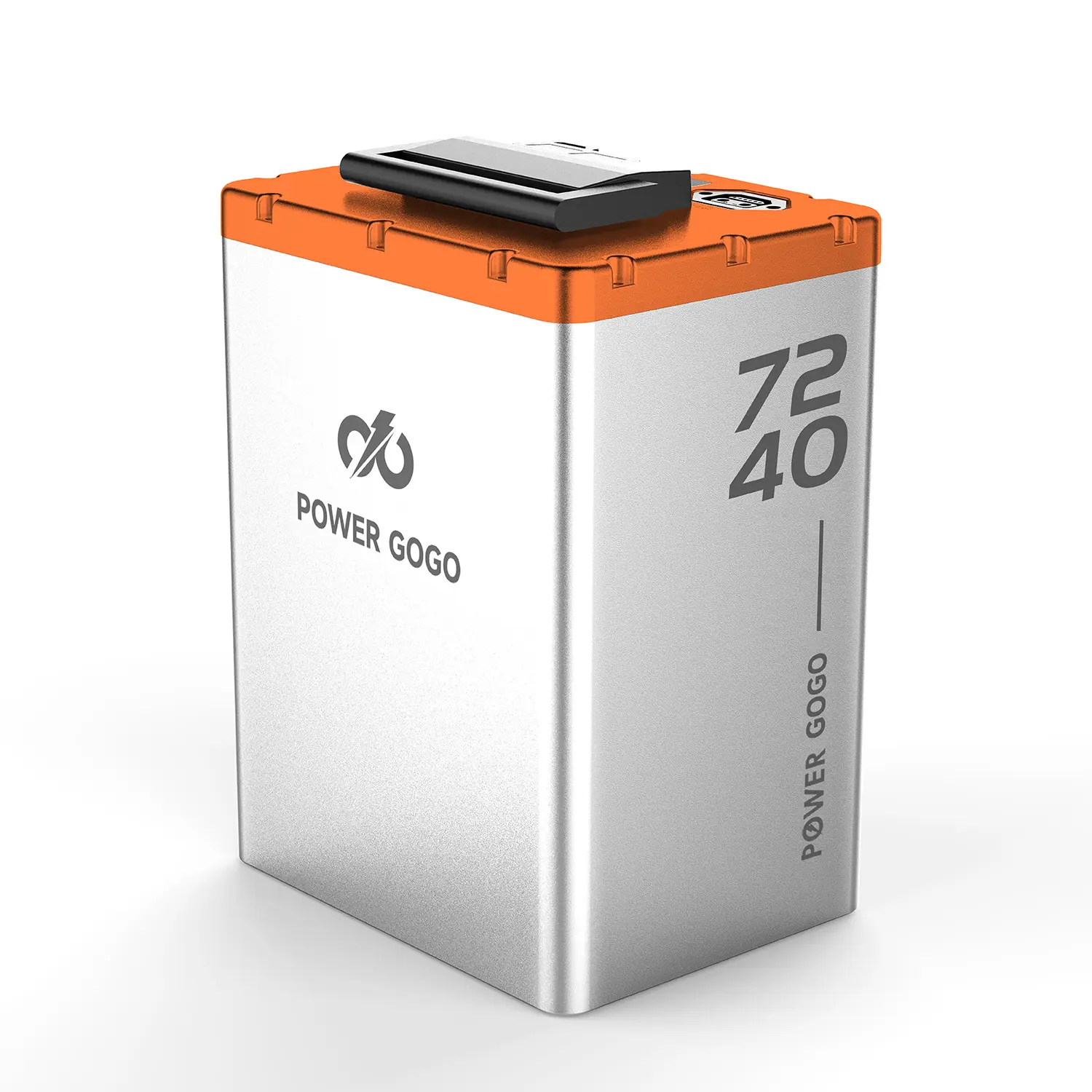
Modular battery architecture is the key enabler here. By creating smaller, standard units—like bricks—manufacturers can stack them to fit different battery sizes and power requirements. A scooter might use one module; a delivery van might use four; a truck battery system might use ten. This modular battery approach reduces the number of unique battery form factors the infrastructure needs to support. It simplifies the logistics of battery manufacturers and station operators alike. As we move toward standardized battery designs, we lower the barrier to entry for deploying battery stations, accelerating the mass adoption of battery swapping globally.
What Are the Logistic Benefits of Deploying Battery Swapping Networks?
For logistics companies, battery swapping is an operational superpower. It allows for continuous uptime. In a standard delivery cycle, a vehicle might run for 4 hours, charge for 2, and run for 4. With vehicle battery swap capability, that vehicle runs for 10 hours straight with only two 3-minute breaks. This impact of battery swapping on fleet efficiency is dramatic. You can do more deliveries with fewer vehicles because they aren’t sitting idle.
Moreover, battery swapping networks offer strategic flexibility. Stations can be deployed in logistics hubs, warehouses, or along key transport corridors. This coverage of battery availability ensures that drivers are never far from a fresh charge. It allows for tighter delivery windows and better route optimization. Swapping stations for electric fleets also reduce the need for expensive electrical upgrades at the fleet depot. You don’t need to install 50 fast chargers; you just need access to the public or private swapping ecosystem. This agility makes battery swapping for electric logistics fleets the most logical path forward.
How Does Battery Swapping Technology Ensure Safety and Longevity?
Safety is paramount, especially when dealing with high-voltage lithium batteries. Battery swapping technology incorporates layers of safety that exceed typical consumer charging methods. When a battery is inside a battery swap station, it is monitored 24/7. Battery management systems track voltage irregularities, thermal spikes, and cell degradation. If a battery shows signs of weakness, the station isolates it and prevents it from being dispensed to a user.
This centralized care extends battery life. Fast charging a drained battery generates heat, which kills battery capacity over time. Swapping stations can charge batteries at a moderate pace, cooling them actively. This gentle handling means a swappable battery can last for thousands of cycles more than a fixed battery. Additionally, the environmental impact of battery disposal is mitigated. Because the operator owns the battery assets, they are incentivized to maximize battery reuse and eventually ensure proper battery recycling. This closed-loop system improves battery safety and sustainability simultaneously.
What Is the Future Outlook for the Battery Swapping Market Globally?
The future of the battery swapping market is robust and expansive. We are moving beyond the pilot phase into full-scale industrial application. Global battery swapping standards are emerging, and cross-border partnerships are forming. We will see a convergence of battery technologies where swappable batteries become the norm for urban mobility. Advancements in battery density will mean fewer swaps are needed to cover longer distances, further enhancing the convenience.
We expect to see the battery swapping industry integrate more deeply with renewable energy grids, acting as virtual power plants. The development of the battery swapping sector will likely bifurcate: automated, heavy-duty stations for trucks and cars, and dense, cabinet-based networks for electric scooters and micromobility. For the savvy investor or fleet manager, the battery swapping market represents the cutting edge of energy distribution. It is a market where battery tech, logistics, and infrastructure meet to create a cleaner, faster world.
Key Takeaways to Remember
- Growth is Inevitable: The battery swapping market is expanding rapidly to meet the uptime needs of commercial logistics.
- Infrastructure over Plugs: Battery swapping infrastructure market solutions offer superior efficiency compared to traditional charging infrastructure for fleets.
- Titans are Involved: Major players like CATL are driving battery standardization and validating the battery swapping industry with modular tech.
- BaaS Changes the Game: The battery swapping model enables battery leasing, reducing upfront vehicle costs and eliminating battery ownership risks.
- Safety and Longevity: Centralized battery swap station charging monitors battery health and extends battery life significantly.
- Operational Speed: Vehicle battery swap technology turns hours of charging time into minutes of swapping, boosting fleet productivity.
- A Standardized Future: The push for a universal battery and standardized battery packs will unlock global battery swapping scalability.