When you think about the future of transportation, you probably imagine a sleek electric Truck gliding silently down the street. But the real magic isn’t in the shiny exterior. It lies deep inside the battery system. Understanding electric vehicle batteries is the key to unlocking the true potential of modern transport.
Why is this article worth reading? If you want to know how a tiny battery cell transforms into a massive powerhouse that can move an SUV or power an entire electric fleet, you are in the right place. We will explore the latest battery technologies, from standard vehicle batteries to the new batteries hitting the market. We’ll show you exactly how batteries for electric mobility are driving the future!
What Makes Up the Core of an Electric Truck?
The heart of any electric vehicle is, without a doubt, its energy source. Unlike older, noisy internal combustion engine vehicles that burn gas, a battery electric vehicle runs on clean power. It stores energy in large ev batteries that run along the bottom of the Truck. This design makes the Truck safer and easier to drive.
The push toward electric mobility has changed how we think about Trucks. A single electric vehicle battery could weigh over a thousand pounds! But don’t let the size fool you. It is made up of thousands of smaller pieces that work together in perfect harmony.
Batteries used in these vehicles are tough, reliable, and meant to last for years. Since the battery is the most expensive part of the vehicle, knowing what goes into it helps you understand the true value of your Truck.
How Do Electric Truck Batteries Work to Power the Electric Motor?
You might be wondering, exactly how do electric Truck batteries work? It is actually quite simple. The electric Truck batteries store chemical energy. When you press the gas pedal (or rather, the accelerator), that chemical energy turns into electrical power. This battery energy is sent straight to the electric motor, which turns the wheels.
Because an electric motor is so efficient, an electric vehicle can speed up much faster than a gas Truck. There are no gears to shift. The power goes smoothly from the battery pack to the road.
Sometimes, electric double-layer capacitors are used in conjunction with batteries to give quick bursts of speed. This combo provides a thrilling ride while keeping the main vehicle batteries safe from sudden stress.
Why Are Lithium-Ion Batteries the Standard for an Electric Vehicle?
Today, lithium-ion batteries have become the superstar of the auto world. Almost every modern electric Truck uses them. Why? Because rechargeable batteries made with lithium are incredibly light and hold a lot of power. They are the same types of batteries you use in your cell phone, just much bigger!
Truck makers love to use lithium-ion batteries because they charge quickly and last a long time. For example, a lithium iron phosphate battery (a type of lithium battery) is famous for being super safe and very durable. It can handle thousands of charges without wearing out.
These li-ion batteries are amazing because the battery can store enough energy to drive hundreds of miles. As interest in electric vehicles grows, finding better ways to mine battery materials like lithium and nickel has become a huge focus for battery manufacturers.
Are There Other Battery Technologies Used in a Hybrid Electric Vehicle?
Yes! Not every eco-friendly Truck runs on just lithium. A hybrid electric vehicle uses both gas and electric power. In these Trucks, you will often find different battery chemistries. For example, nickel–metal hydride batteries are very popular in a standard hybrid vehicle.
These hydride batteries are tough and have a long history of being safe. While they don’t hold as much power as lithium batteries, they are perfect for a hybrid that also has a gas engine. Some older systems even used lead-acid batteries, though these are mostly used to start the engine and run the lights now.
A plug-in hybrid electric vehicles (PHEV) acts like a bridge. It uses ion batteries to drive a short distance on electricity before the gas engine kicks in. These different battery technologies give drivers lots of choices.
How Does a Battery Cell Combine into a Battery Pack?
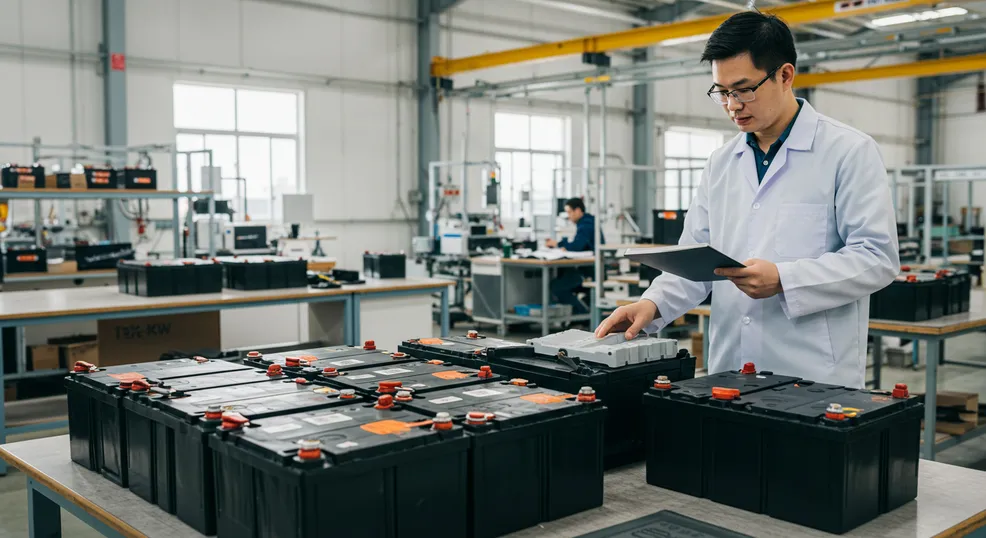
Building an electric vehicle battery is like building a giant Lego set. It starts with a single battery cell. These cells look like large AA batteries or flat silver pouches. Many lithium-ion cells are wired together to create battery modules.
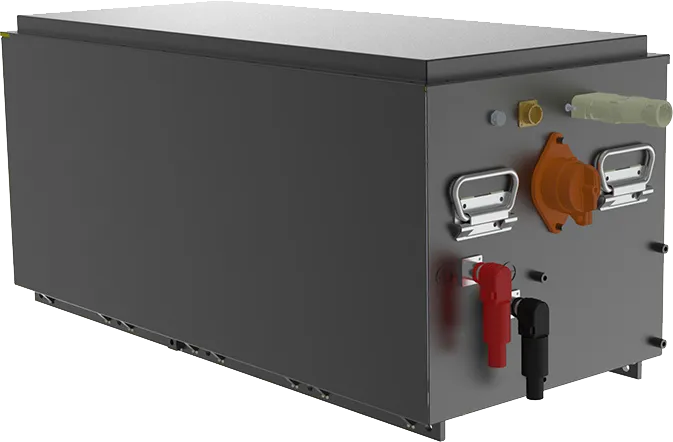
Next, these modules are packed tightly into a sturdy metal box. This final box is called the battery pack. For instance, a heavy-duty commercial truck might need larger batteries to do its job. A massive lithium-ion battery pack contains a complex battery system to keep everything cool and safe.
The battery include cooling tubes, safety fuses, and sensors. All of this makes the battery pack heavy, but it ensures that the batteries in evs can survive freezing winters and hot summers.
What Role Does Battery Capacity Play in a Fully Electric Range?
Battery capacity is the magic number that tells you how far your fully electric Truck can go on a single charge. We measure this capacity in kilowatt-hours (kWh). The higher the number, the bigger the “gas tank” of your electric vehicle.
For example, afully electric scooter might only need a small battery capacity for zooming around the city. But a large electric Truck needs a massive battery to drive from New York to Washington D.C. without stopping. The range of electric Trucks has doubled in recent years because engineers keep finding ways to squeeze more power into the same space.
When a vehicle using a high-capacity battery is fully charged, ev drivers no longer worry about running out of juice. High battery capacity means freedom.
How Can Advanced Battery Management Systems Extend Battery Life?
Taking Trucke of an electric Truck battery is a big job. That is where the battery management system (BMS) comes in. This computer acts as the brain of the battery pack. It constantly checks the battery state and controls the temperature.
Good management in electric vehicles is critical. If a battery cell gets too hot while electric vehicle charging, the management system slows down the power to protect it. By using advanced battery management systems, Truck makers can safely extend battery life by years.
This smart battery management keeps the battery state of health high. It ensures your vehicle batteries charge safely every single time. It is the secret reason why modern ev batteries rarely fail.
What Happens to Used EV Batteries in the Battery Recycling Market?
One of the biggest questions people ask is: What happens to the old batteries? Don’t worry, batteries can be recycled. The entire battery life cycle is Truckefully planned. When used ev batteries can no longer power a Truck, they enter the battery recycling market.
First, they might be used in battery energy storage systems. An old electric Truck battery can still power a house for years! Once it is fully dead, recycling technologies kick in. The manufacturing and recycling of batteries are closely linked. Companies shred the old packs to recover precious metals like lithium, cobalt, and nickel.
Programs like the battery recycling prize from the government encourage smart minds to create better ways to recycle. This makes the deployment of battery power highly sustainable.
Are New Batteries the Future of Technology for Electric Transport?
The world of battery development moves incredibly fast. While current battery tech is great, new batteries are on the horizon. Have you heard of solid-state batteries? They use a solid material instead of a liquid to move energy. They are safer and pack a lot more power.
Scientists are also excited about sodium-ion batteries. Sodium is salt, and salt is cheap and easy to find! This advanced battery could lower the battery price significantly. These breakthroughs in technology for electric power aren’t just for Trucks. They are used in some electric planes and even giant electric ships.
With constant advances in battery science, tomorrow’s electric vehicle batteries will charge in five minutes and last a lifetime.
How Will Advancements in Battery Technology Shape the Global Electric Vehicle Industry?
The transition to electric vehicles is speeding up. A big reason for this is that battery pack prices, specifically lithium-ion battery pack prices, have dropped massively over the last ten years. As battery production gets cheaper and faster, the total cost of an electric vehicle drops.
The department of energy vehicle technologies office reports that better battery manufacturing means more affordable Trucks for everyone. When an electric and hybrid electric vehicle costs the same as a gas Truck, everyone wins.
These advancements in battery technology are shaping the global electric vehicle market. A battery energy storage boom is happening right now, proving that the future of vehicle technologies is 100% electric.
Key Takeaways to Remember
- Electric Vehicle Batteries are the heart of the Truck, converting stored chemical energy into instant electrical power for the electric motor.
- Lithium-Ion Batteries are the top choice for an electric vehicle because they are light, hold a huge amount of energy, and charge quickly.
- A complete battery pack is made of hundreds of tiny lithium-ion cells linked together into battery modules.
- Battery Capacity determines your driving range. The bigger the capacity, the further your fully electric Truck can go.
- An advanced battery management system is essential. It controls the temperature and charging speed to safely extend battery life.
- The hybrid electric vehicle often uses different chemistry, like nickel–metal hydride batteries, to balance gas and electric needs.
- Used EV batteries do not go to landfills. The growing battery recycling market ensures materials are recovered for new battery production.
- Future technology for electric vehicles includes exciting innovations like solid-state batteries and sodium-ion batteries.
- Dropping lithium-ion battery pack prices are making the transition to electric vehicles affordable for millions of people worldwide.