The Ultimate Guide to Electric Vehicle Battery Safety: Debunking Myths and Ensuring High-Voltage Peace of Mind
Aug-13-2025
Share:
As the world rapidly shifts towards sustainable transportation, the electric vehicle (EV) has become a cornerstone of modern mobility. However, with this new technology come new questions and concerns, especially surrounding the heart of every EV: the high-voltage battery. You’ve likely seen dramatic headlines about battery fire incidents, and if you’re a business owner like Mark Davis, who relies on dependable and safe equipment, these stories can be unsettling. This article is here to provide clarity. My name is Alex Taylor, and with over 14 years in the lithium battery manufacturing industry, I want to cut through the noise. We will explore the intricate safety systems built into every electric vehicle, from a family car to a commercial electric truck. This guide will provide the expert insights you need to confidently invest in electric mobility, understand the real safety risks, and choose a supplier who prioritizes quality and transparency.
What Makes an Electric Vehicle Battery Different From a Regular Car Battery?
When we talk about a “car battery,” most people think of the small, heavy box under the hood of a gasoline-powered car. That’s a 12-volt lead-acid battery. Its primary job is to provide a quick, powerful jolt of electricity to start the internal combustion engine and to power the car’s lights, radio, and electronics when the engine is off. It’s a sprinter, built for short bursts of energy.
An electric vehiclebattery, on the other hand, is a completely different beast. It’s not just an accessory; it’s the main power source. This large, complex battery pack, often called a traction battery, is what stores the energy needed to propel the vehicle. Think of it as the fuel tank and the engine rolled into one. These are typically high-voltage lithium-ion batteries, composed of hundreds or even thousands of individual battery cells working in unison. Instead of just starting the vehicle, this battery has to provide sustained power for the electric motor over hundreds of miles, a marathon runner compared to the sprinter in a conventional car.
The sheer scale and energy density are the biggest differentiators. A standard car battery might hold around 0.5-1 kWh of energy. An electric vehiclebattery can hold anywhere from 30 kWh to over 100 kWh. This massive energy storage capacity is what enables an EV to travel long distances, but it also necessitates a far more sophisticated approach to safety and management. These advanced batteries are designed with integrated cooling systems, armored casings, and intelligent electronics that are light-years beyond the simple lead-acid batteries used in conventional vehicles.
Are Lithium-Ion Batteries in EVs Inherently Dangerous?
This is a central question for many potential EV owners and fleet managers. The short answer is no, they are not inherently dangerous. In fact, when designed and manufactured correctly, electric vehicles can be even safer than their gasoline counterparts. The concerns about battery safety often stem from the high energy density of lithium-ion batteries. It’s true that if this energy is released in an uncontrolled way, it can lead to a fire. However, the entire electric vehicle ecosystem is built around preventing this from ever happening.
Let’s look at the data. According to research from the National Transportation Safety Board (NTSB), the fire risk in an electric vehicle is significantly lower than in vehicles with an internal combustion engine. While EV fires can be more challenging to extinguish, they are far less frequent.
Vehicle Type
Fires per 100,000 Vehicles Sold
Hybrid Vehicles
~3,475
Gasoline Vehicles
~1,530
Electric Vehicles
~25
Source: Data compiled from NTSB, NHTSA, and Bureau of Transportation Statistics.
This data shows that the engineering behind vehicle safety in EVs is remarkably effective. Every electric vehicle on the road must meet the same stringent Federal Motor Vehicle Safety Standards as gasoline cars, plus additional standards specific to their high-voltage systems. The key is a multi-layered safety approach, from the chemistry of the battery cells to the physical protection of the battery pack and the intelligence of the software that manages it all.
How Do Manufacturers Ensure Electric Vehicle Battery Safety?
As someone who has overseen the production of countless batteries used in EVs, I can tell you that safety is not an afterthought—it is the foundation of the entire design process. Manufacturers subject EV batteries to a battery of brutal tests long before they are ever installed in a vehicle. These rigorous safety tests are designed to simulate worst-case scenarios.
Here are just a few of the tests a battery pack must pass:
Vibration and Shock Test: Simulates a lifetime of bumpy roads and sudden jolts to ensure connections remain secure and the structure remains intact.
Crush and Penetration Test: A physical test to see what happens if the battery is punctured or crushed in a severe collision. The goal is to prevent a short circuit and fire.
Thermal Shock and Cycling Test: Rapidly exposes the battery to extreme hot and cold temperatures to test its durability and the effectiveness of its thermal management system.
Overcharge Test: Intentionally tries to pump more energy into the battery than it can handle to verify that the built-in safety features will shut it down safely.
Short Circuit Test: Simulates an internal or external short circuit to ensure the battery can isolate the fault without catastrophic failure.
Passing these tests is a prerequisite for achieving certifications like ISO standards, which customers like Mark rightly look for. A reputable supplier will always be transparent about their testing protocols and provide documentation. This commitment to safety requirements is what separates high-quality manufacturers from the rest. The goal is to ensure the safety of electric vehicles under all foreseeable conditions.
What is a Battery Management System (BMS) and Why is it Critical for EV Battery Safety?
If the battery pack is the heart of an electric vehicle, the Battery Management System (BMS) is its brain. This sophisticated piece of electronic hardware and software is arguably the single most important component for battery safety. It is the silent, vigilant guardian that monitors and manages every aspect of the battery’s health and operation 24/7. I’ve seen firsthand how a well-designed BMS is the difference between a reliable, long-lasting battery and a potential safety hazard.
The BMS has several critical functions:
Monitoring: It constantly tracks the voltage, current, and temperature of individual battery cells or modules within the pack. This provides a real-time health check.
Balancing: It ensures that all the battery cells are charged and discharged evenly. This prevents some cells from being overstressed, which extends the battery’s life and maintains its safety.
Protection: This is its most vital safety role. If the BMS detects a dangerous condition—like overheating, overcharging, or a potential short circuit—it can take immediate action. This could mean reducing the power output, activating cooling systems, or, in an emergency, completely disconnecting the battery from the rest of the vehicle.
Communication: The BMS communicates the battery’s state-of-charge (what you see on your dashboard) and any potential issues to the vehicle’s main computer. At Power GoGo, our BaaS (Battery as a Service) platform leverages this data, providing 24/7 cloud-based alerts for our commercial clients.
Without a robust BMS, a high-voltagelithium-ion battery would be unpredictable and unsafe. It’s one of the most complex components in an EV and a key area of innovation in battery management. When you’re evaluating a supplier, asking detailed questions about their BMS technology is a great way to gauge their expertise.
Can an EV Battery Catch Fire? A Clear Look at Thermal Runaway
Let’s address the elephant in the room: the battery fire. Yes, an electric vehiclebattery can catch fire, but it’s important to understand the context. This phenomenon, known as thermal runaway, is extremely rare. It’s a chain reaction where a failure in a single battery cell—often caused by a manufacturing defect, severe damage, or an internal short circuit—causes it to heat up uncontrollably. This intense heat can then spread to neighboring cells, causing them to fail as well, leading to a cascading thermal event that can result in smoke and fire.
However, the entire battery safety ecosystem is designed to prevent this. It’s a defense-in-depth strategy. The first line of defense is the quality of the battery cells themselves. The second is the BMS, which is designed to detect the initial signs of a cell failure (like a spike in temperature) and take protective measures. The third line of defense is the physical design of the battery pack, which includes fire-retardant materials and cooling channels that help to contain a failure in one area and prevent it from spreading.
EV fires, while intense, are not the explosive events often portrayed in media. They typically start slowly, often with smoke and popping sounds, giving occupants time to exit the vehicle. For business owners, the key takeaway is that while the risk is not zero, it is exceptionally low and is managed through multiple layers of sophisticated engineering. The safety risks are well-understood and meticulously mitigated by reputable manufacturers.
What Happens to an Electric Vehicle Battery in a Collision?
This is a major concern for anyone considering driving an EV. What happens to that massive battery pack in a crash? Vehicle engineers have put a tremendous amount of thought into this. The electric vehicle battery pack is one of the most protected components in the entire car.
Typically, the battery is housed in a rigid, reinforced casing and placed in the floor of the vehicle, between the axles. This location offers several safety advantages. First, it’s within the car’s most protected structural zone, shielded by the frame rails and crumple zones that are designed to absorb impact energy in vehicle crashes. Second, this placement gives the electric vehicle a very lower center of gravity, which significantly reduces the risk of a rollover accident in the first place—a passive safety feature in itself.
In the event of a significant collision or short circuit, advanced safety systems are instantly activated. Sensors detect the crash and automatically disconnect the high-voltage batteries from the rest of the electrical system, eliminating the risk of electric shock to occupants or first responders. This is one of the key additional safety features that shut down the system in an emergency. The design ensures that even if the battery pack itself is deformed in a severe collision, the internal structures are built to withstand the force without causing a massive internal failure. A damaged battery is isolated to prevent further hazards.
How Are the High-Voltage Systems in an Electric Truck Kept Safe?
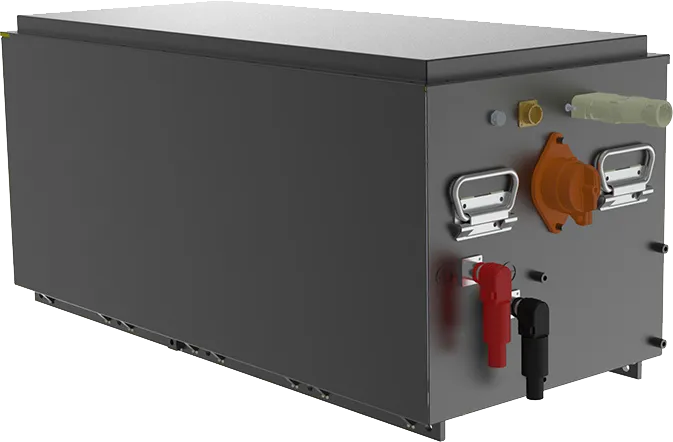
The safety principles in a commercial electric truck are the same as in a passenger car, but they are scaled up to handle even greater demands. The high-voltage systems in vehicles like the ones we supply batteries for, including e-trucks and e-rickshaws, operate at even higher voltages and carry more energy. For instance, our 73V300Ah E-truck Battery is designed for heavy-duty vehicle operations.
Several key measures ensure the safety of these powerful systems:
High-Visibility Cabling: You may have noticed that the high-voltage wiring in any EV or hybrid is bright orange. This is a universal standard that immediately alerts technicians and emergency responders to the presence of high-voltage components, ensuring they take proper precautions when handling an electric vehicle.
Complete Isolation: The high-voltage electrical system is completely isolated from the vehicle’s chassis. You cannot get a shock by simply touching the metal body of the car.
Automatic Disconnects: As mentioned, crash sensors and monitoring systems can instantly sever the flow of electric power from the battery in an emergency.
Service Disconnects: For maintenance, there are manual service plugs that allow technicians to safely de-energize the high-voltage system before working on it.
Companies like Volvo Trucks and other major manufacturers have invested billions in R&D to ensure their battery-electric platforms are robust and safe for commercial use. The focus is on durability, reliability, and ensuring that these workhorse vehicles meet the highest safety standards in the world.
What Should Emergency Responders Know About Handling an Electric Vehicle?
The rise of electric vehicles on the road has led to a parallel evolution in training for first responders. Fire departments and emergency medical services now receive specific training on how to manage incidents involving electric vehicles. As a manufacturer, we often contribute to this knowledge base.
A trained responder knows how to:
Identify the Vehicle: They can quickly identify a vehicle as an EV, hybrid, or plug-in hybrid electric vehicle by its badging, lack of an exhaust pipe, or a visible charging port.
Disable the System: They are trained on how to locate and cut the 12-volt battery line or use the emergency service disconnect. This is the standard procedure to disable the high-voltage system after an accident.
Approach a Fire Safely: A responder knows that an EV battery fire requires a different approach than a gasoline fire. The main strategy is to use large amounts of water to cool the battery and stop the thermal runaway chain reaction.
Handle a Damaged Vehicle: They understand the potential risks of a damaged battery even after the initial incident is over and how to safely handle and store the damaged vehicle.
The existence of these detailed protocols for emergency responders should be a source of confidence. It shows that the entire safety ecosystem, from manufacturing to post-accident care, has been thoughtfully developed. The safety of the public and the responder community is a top priority.
What Are the Key Safety Requirements for Advanced Batteries Today?
The world of battery technology is constantly advancing, and so are the safety requirements. What was state-of-the-art five years ago is standard today. For any business investing in an electric fleet, whether it’s for logistics or food delivery, understanding these modern standards is crucial for ensuring long-term reliability and safety.
Today’s advanced batteries are equipped with safety systems that go far beyond basic fuses. We’re seeing a major focus on things like:
Automotive-Grade Cells: We insist on using automotive-grade cells in our products, like our 73.4V 58Ah Swappable Battery, which are designed for a longer cycle life (up to 6,000 cycles) and have a higher tolerance for the stresses of daily use compared to cheaper consumer-grade cells.
Advanced Cell Chemistry: The industry is moving towards more stable chemistries like Lithium Iron Phosphate (LFP), which have a higher thermal stability and are less prone to thermal runaway than some older Nickel Manganese Cobalt (NMC) formulations, even though both are extremely safe when managed properly.
IP67 Rating: This is a key certification to look for. It means the battery casing is completely dust-tight and can be submerged in up to a meter of water for 30 minutes without leaking. This is critical for vehicles that operate in all weather conditions.
Predictive Analytics: Modern BMS platforms don’t just react to problems; they predict them. By analyzing data trends, our BaaS platform can flag a battery for maintenance before a serious issue ever develops. This proactive approach is a game-changer for fleet management and safety issues.
These evolving safety requirements mean that newer EVs and battery systems are safer than ever before. Choosing a supplier that is at the forefront of this technology is a direct investment in the safety and efficiency of your operations.
How Can You, as a Business Owner, Guarantee the Quality of Batteries for Your Fleet?
Mark, this is the most important question for you and any procurement officer. With your experience sourcing equipment globally, you know that not all suppliers are created equal. You’ve faced challenges with communication, shipment delays, and certificate fraud. When it comes to something as critical as an electric vehicle battery, the stakes are even higher.
Here is my advice, based on over a decade of being on the manufacturing side:
Go Beyond the Certificate: A certificate is important, but it’s a piece of paper. Ask for the full test reports. A transparent supplier will have no problem sharing the data that proves their products meet standards like ISO 9001 and IATF 16949. Dig into their quality inspection process.
Evaluate the Communication: Your pain point with inefficient communication is a major red flag. During the initial inquiry, pay attention to how a supplier’s team responds. Are they knowledgeable? Do they understand your technical and business needs? Can they explain their battery safety features in a way that makes sense to a non-technical expert?
Discuss Logistics Upfront: Shipment delays can kill a project deadline. A mature supplier will have a robust logistics and supply chain department. We, for example, have extensive experience exporting to the USA, Indonesia, Spain, and Vietnam and understand the complexities of customs, shipping, and handling for high-voltage batteries, which are often classified as dangerous goods.
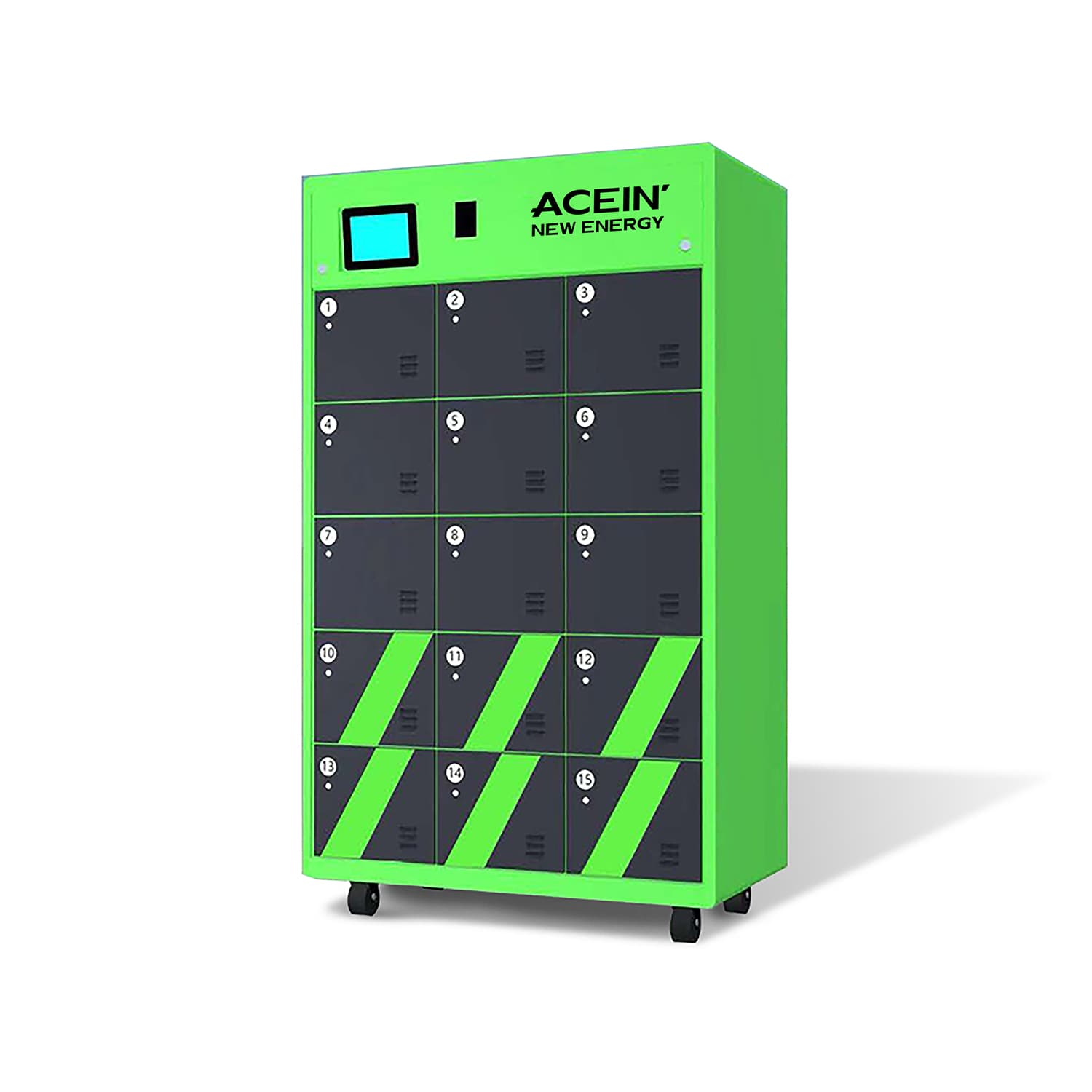
Look for a One-Stop Solution: Your business is complex enough. Working with a supplier who can provide the entire ecosystem—from the swappable batteries and EVs to the battery swapping cabinets and the management platform—simplifies your procurement process and ensures all components are designed to work together seamlessly. As a one-stop battery swapping solutions supplier, this is the core of our business model.
Ultimately, choosing a partner is about trust and transparency. You need a supplier who has been designed with safety in mind from the very beginning. By asking the right questions and demanding proof of quality, you can confidently build a safe, reliable, and efficient electric fleet.
Key Takeaways to Remember
EVs Are Fundamentally Safe: Data shows that electric vehicles have a significantly lower risk of fire compared to gasoline vehicles, thanks to multiple layers of engineered safety features.
Safety is Multi-Layered:Vehicle safety is not dependent on a single component. It’s a combination of robust battery cell chemistry, a physically protected battery pack, and an intelligent Battery Management System (BMS).
The BMS is the Brain: The BMS is the most critical safety component, constantly monitoring the battery’s health to prevent dangerous conditions like overheating or overcharging.
Collision Safety is a Priority:EVs are designed to protect the battery in a crash and automatically disconnect the high-voltage system to ensure the safety of occupants and first responders.
Supplier Quality is Paramount: The safety and reliability of your electric fleet depend directly on the quality of your supplier. Always vet their testing procedures, certifications, and communication practices thoroughly.
We use cookies to ensure that we give you the best experience on our website. If you continue to use this site we will assume that you are happy with it.