In the fast-paced world of logistics and urban mobility, time isn’t just money—it is the lifeline of your business. If you manage a fleet of electric two-wheelers or three-wheelers, you know the pain of watching a vehicle sit idle while it plugs into a charging station. Every minute an electric vehicle (EV) spends tethered to a cord is a minute it isn’t making deliveries or transporting passengers. This is where the debate between the traditional ev charging station and the modern battery swap station begins.
This article explores the transformative power of battery swapping technology. We will dive deep into why a battery swap system offers a superior cost-effective alternative to traditional charging infrastructure, how it maximizes vehicle battery life, and why it is the best battery strategy for scaling your operations. Whether you run a food delivery service or a scooter rental business, understanding the shift from "plug-in" to "swap-and-go" is crucial for your bottom line.
What exactly is a battery swap system and how does it work?
A battery swap is deceptively simple in concept but revolutionary in practice. Instead of waiting hours for a battery charge, a driver pulls up to a battery swap station, verifies their identity (usually via an app), and exchanges their depleted batteries for fully charged batteries. The entire swapping process takes less than a minute. This is a stark contrast to the long charging times associated with even the fastest charging technologies available for small EVs today.
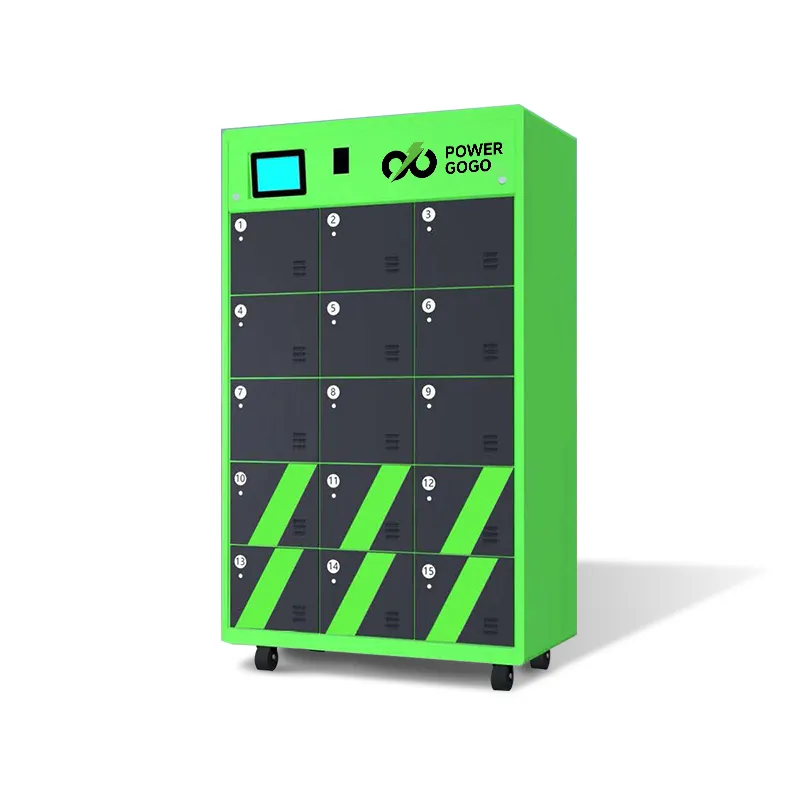
At the heart of this system is the battery swapping cabinet. These are smart, connected units that store, charge, and monitor the health of multiple batteries simultaneously. When you implement a swap solution, you aren’t just buying a battery; you are buying into an ecosystem. The station for electric vehicles acts as a vending machine for energy. It ensures that a fully charged one is always available, eliminating the downtime that plagues traditional charging methods.
For a fleet operator, this means your electric vehicle is always on the road. The battery swap system handles the charging strategy automatically. The cabinet charges the batteries at an optimal rate to preserve battery health, shielding the user from the complexities of energy management. It transforms the ev battery swapping experience from a logistical headache into a seamless pit stop.
Why choose battery swapping over a traditional EV charging station?
When you compare a battery swap to a standard charging station, the primary differentiator is efficiency. A standard charger locks a vehicle in place. Even with fast charge capabilities, you are looking at significant wait times. If you have a fleet of 50 scooters, you need 50 plugs or a complex rotation schedule. A battery swap station consolidates this. A single 12-slot battery swapping cabinet can service dozens of drivers per day because the charging time happens while the battery is inside the cabinet, not while it’s inside the bike.
Furthermore, public charging infrastructure is often unreliable or incompatible with light electric vehicles. An ev charging station designed for electric cars often lacks the plugs or voltage settings for an electric motorcycle or e-scooter. By owning or leasing a battery swapping station cost-effectively, you control your own fuel supply. You eliminate the reliance on third-party charging stations and ensure your drivers never face range anxiety.
The downtime associated with charging and swapping is incomparable. Swapping batteries is instant. Charging is a pause. In high-frequency businesses like last-mile delivery, that pause kills profitability. By utilizing our reliable 12-slot battery swapping cabinet, you ensure that your drivers spend their shift driving, not waiting. The swap model turns the vehicle charging paradigm on its head by separating the battery from the vehicle ownership.
Is battery swapping cost-effective for a commercial vehicle fleet?
The total cost of ownership (TCO) is the metric that matters most to pragmatic business owners. At first glance, the upfront cost of a battery swap station might seem higher than a few simple chargers. However, when you factor in labor, vehicle utilization, and battery replacement, the swap model wins. With swapping technology, you need fewer vehicles to do the same amount of work because your vehicles never stop to charge.
Consider the cost of the battery itself. In a battery-swapping model, often managed through a BaaS (Battery as a Service) platform, the risk of battery degradation is shifted from the fleet owner to the solution provider. You don’t have to worry if a battery loses capacity over time; the swapping service ensures you always receive a healthy, fully charged pack. This removes the massive capital expense of buying new battery packs every two years.
Moreover, centralized charging in a storage system is more energy-efficient. A smart charging cabinet can charge batteries during off-peak hours when electricity is cheaper, further reducing the total cost. When you analyze the battery swapping station cost against the operational gains, the cost-effective nature of the solution becomes undeniable for any commercial vehicle operation.
How do different battery types impact the swapping service?
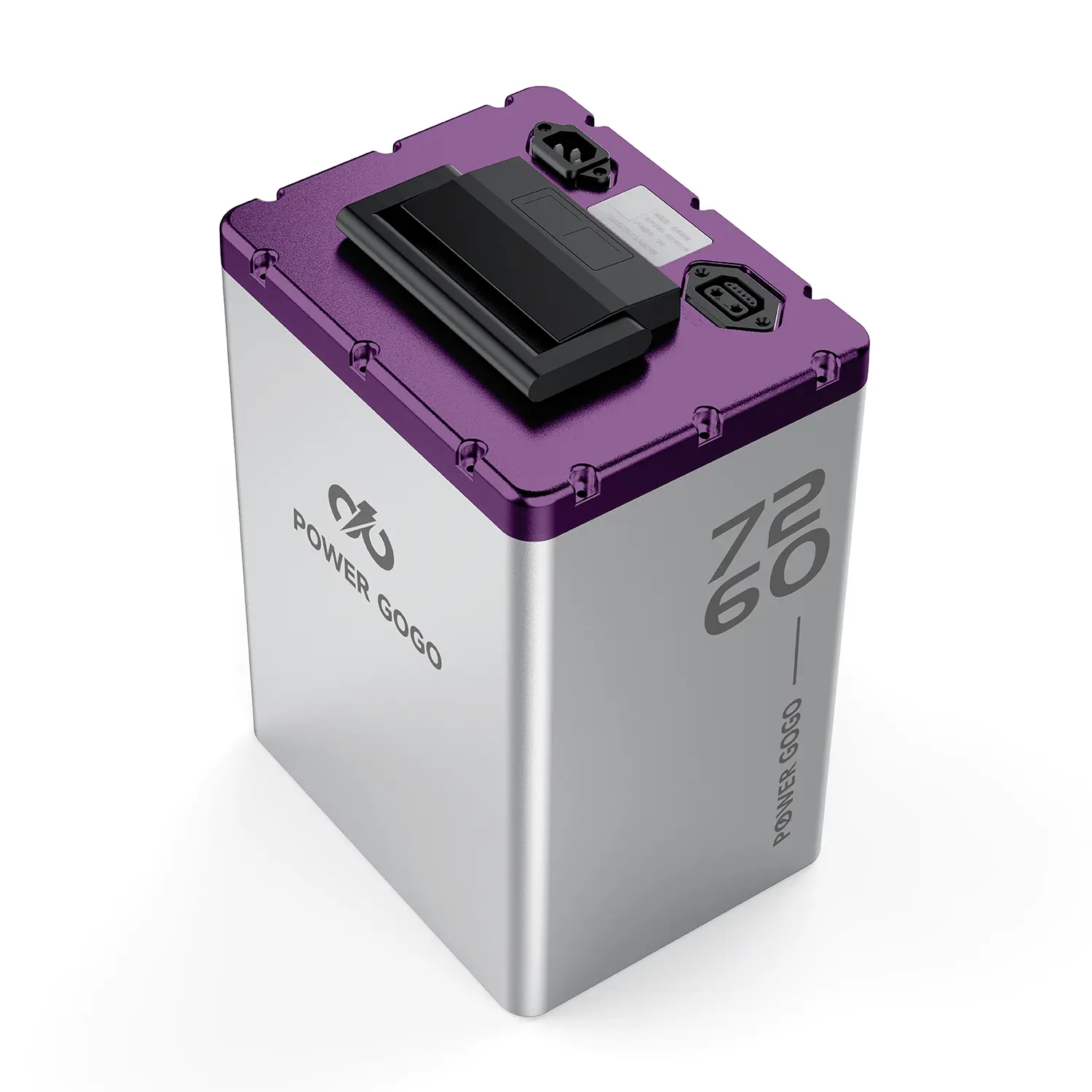
Not all ev batteries are created equal. The success of a battery swap relies heavily on the quality of the battery pack. We typically see two main chemistries: NMC (Nickel Manganese Cobalt) and LFP (Lithium Iron Phosphate). For example, a high-capacity 72V40Ah swappable battery offers immense range and power, ideal for heavy-duty delivery runs.
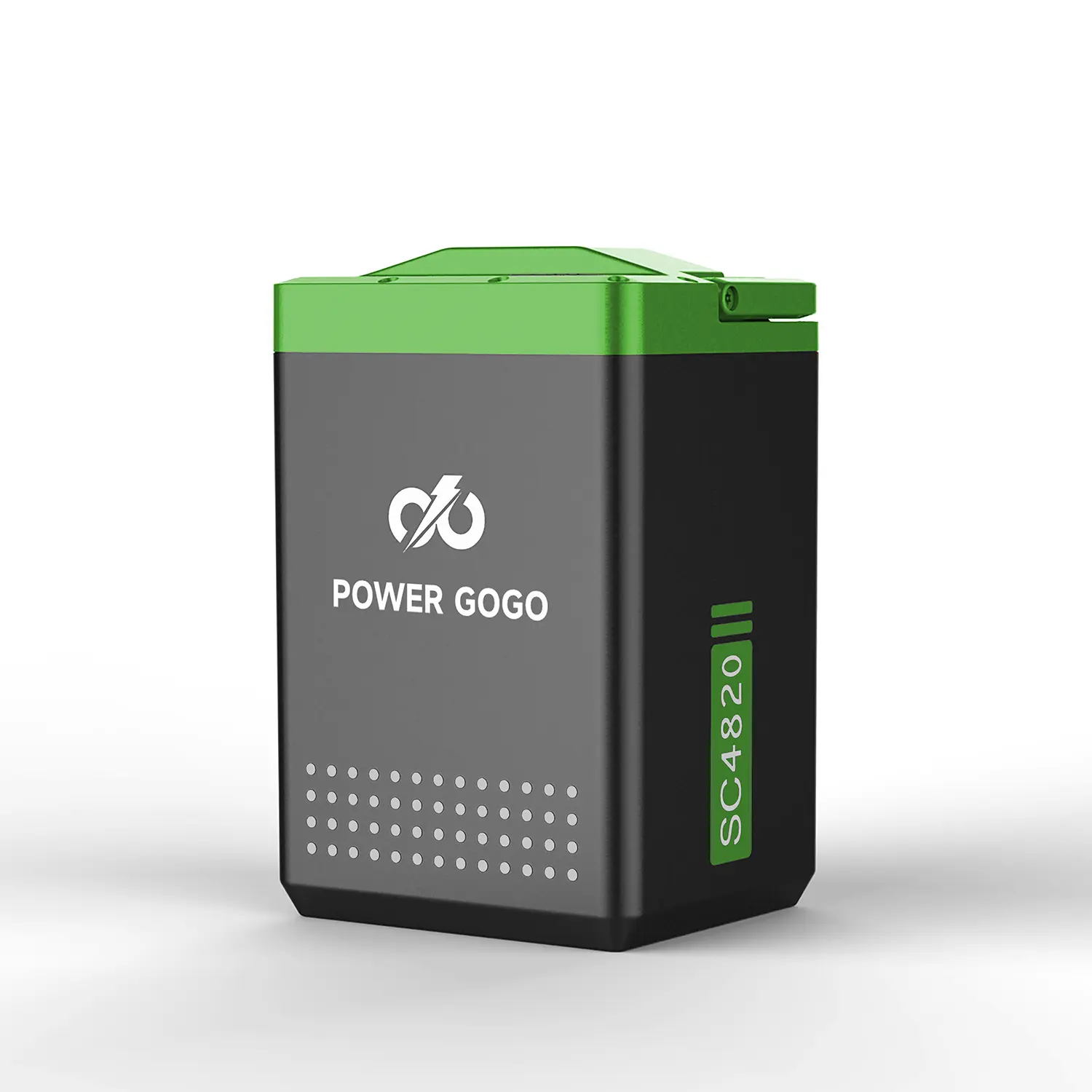
LFP batteries, such as our 48V50Ah Iron Lithium options, are known for their incredible safety and longevity, often exceeding 2,000 to 6,000 cycles. In a swapping and charging scenario, durability is key. These batteries are handled frequently, inserted and removed from the charger slots multiple times a day. Therefore, the casing must be robust (often IP67 waterproof) and the internal connections shock-resistant.
Choosing a different battery chemistry affects the range and weight of the vehicle. However, a good battery swap station is often designed to be compatible with standard form factors. This allows a fleet to run a mix of evs, some needing the lighter 48V50Ah and others requiring the punch of a 72V40Ah, all serviced by the same charging infrastructure.
What makes a smart battery swap station better than public charging?
A smart battery swap station is an IoT (Internet of Things) device. Unlike a "dumb" wall outlet or basic charger, a battery swapping cabinet is constantly communicating. It monitors the temperature, voltage, and current of every battery charge. It detects if a battery has a fault and locks it in the cabinet, preventing a driver from taking an unsafe unit. This level of safety is rarely found in standard public charging points.
The intelligence extends to the user experience. Drivers use an app to locate the nearest station for electric vehicles, check if charged batteries are available, and even reserve a swap. This eliminates the uncertainty of arriving at a charging station only to find it broken or occupied. For the fleet manager, the BaaS platform provides real-time data on where every battery is, how much energy is being used, and the efficiency of the electric fleet.
Security is another factor. Public charging leaves the electric vehicle vulnerable to theft or vandalism while it sits unattended for hours. With a battery swap, the driver never leaves the vehicle. The swapping batteries action is done in seconds, and they are back on the move. The battery storage within the cabinet is locked and secure, accessible only to authorized personnel or verified app users.
How does an electric fleet optimize operations with BaaS?
Battery as a Service (BaaS) is the software glue that holds the hardware together. It decouples the battery cost from the vehicle cost. For a fleet manager, this means you buy the electric motorcycle or scooter chassis, but you subscribe to the energy. This dramatically lowers the entry barrier for integration of electric vehicles into your logistics network.
The BaaS platform allows for granular energy management. You can track which drivers are using the most energy (perhaps due to aggressive driving) and which battery swap station locations are most popular. This data helps you optimize your routes and station placements. If you see that a specific station for electric vehicles is constantly running out of fully charged batteries, you can add another 10-slot battery swapping cabinet to that location.
Furthermore, BaaS simplifies battery replacement. In a traditional ownership model, if a vehicle battery dies, it’s a crisis. In BaaS, the system identifies a weak battery in the cabinet, flags it for maintenance, and the provider swaps it out. The fleet operations continue without a hiccup. It turns battery management into a utility rather than a maintenance burden.
Can you integrate battery swapping stations for electric motorcycles and scooters?
Absolutely. The versatility of modern battery swapping technology is designed to support a wide range of vehicles, from lightweight e-bikes to robust electric motorcycles. For instance, our durable EV-MY Scooter is engineered specifically to work with standard swappable packs. This integration ensures that the mechanical fit and the electrical connection are perfect every time a swap occurs.
This interoperability is crucial for electric fleet diversification. You might have scooters for small food deliveries and larger electric motorcycles or three-wheelers for heavier cargo. If they all use the same battery swap system, you maximize the utilization of your charging infrastructure. You don’t need different charging plugs for different vehicles; you just need the standard battery.
The swapping technology standardized across the ev industry allows for a "mix and match" approach. Drivers love it because they don’t need to worry about the technical specs of the ev charging. They just know that the battery fits, the charge is full, and the bike works. This simplicity is vital for scaling a team of riders who may not be tech-savvy.
What are the safety benefits of a dedicated storage system?
Safety is often the elephant in the room regarding lithium battery usage. Charging dozens of large batteries in a warehouse using power strips is a fire hazard. A dedicated battery storage system or swapping cabinet mitigates this risk significantly. These cabinets are equipped with aerosol fire suppression systems, temperature sensors, and cooling fans. If a battery begins to overheat during a fast charge, the system isolates it and shuts down the specific slot.
Compared to charging a vehicle indoors, where a fire could spread to the vehicle and the building, a battery swapping cabinet contains the risk. The battery-swapping process also encourages better visual inspection. Since the battery is removed from the vehicle, physical damage to the case is easier to spot than if it were buried deep inside the ev.
Additionally, the smart charging algorithms prevent overcharging, which is a common cause of battery failure. By strictly controlling the voltage and current, the cabinet ensures the battery charge is delivered safely every time. For ev owners and operators, this peace of mind is invaluable. It reduces liability and protects your assets.
While evs are cleaner than gas vehicles, the source of the electricity matters. Battery swapping stations for electric vehicles can act as energy buffers. They can draw power from the grid when renewable energy sources like wind and solar are abundant (and cheap) and store it in the battery storage. This helps balance the grid and ensures that the electric fleet is powered by the greenest possible energy.
Furthermore, battery exchange systems extend the useful life of lithium battery cells. Because the charging is controlled and optimized, battery degradation is slower compared to rapid dc fast charging on a hot street corner. Longer-lasting batteries mean fewer batteries need to be manufactured over the long term, reducing the overall carbon footprint of the ev battery swapping ecosystem.
Finally, the recycling of batteries is easier in a swap model. Since the provider owns the batteries, they are collected centrally at the end of their life for recycling or repurposing into static energy storage units. This closed-loop system is much harder to achieve when individual consumers own the vehicle battery.
How to choose the right battery solution for your business?
Deciding to switch to a battery swap model is the first step; choosing the right partner is the second. You need a supplier who offers a turnkey solution. Look for automotive-grade cells, robust cabinets with high IP ratings (waterproof/dustproof), and a proven BaaS platform. The best battery solution is one that you don’t notice—it just works.
Consider the integration of electric vehicles. Does the supplier offer vehicles like the EV-WF Scooter that are pre-configured for the system? Or can they retrofit your existing fleet? Ask about the battery swapping station cost and the scaling model. Can you start with one 8 Slots Battery Swapping Cabinet and grow to fifty?
Look for certifications (CE, UL, UN38.3) and inquire about after-sales support. A charging solution is only as good as its uptime. As an expert in this field, I can tell you that the hardware is important, but the support network is vital. You want a partner who understands the pressures of logistics and offers a swapping service that guarantees reliability.
Summary
- Zero Downtime: Battery swapping eliminates the hours spent at a charging station, keeping your fleet moving and earning money.
- Lower TCO: The swap model and BaaS reduce the upfront cost of evs and eliminate the financial risk of battery replacement.
- Enhanced Safety: Smart cabinets monitor every battery charge, preventing thermal runaway and ensuring only safe batteries are used.
- Scalability: Modular swapping stations allow you to grow your charging infrastructure seamlessly as your business expands.
- Simplicity: Drivers don’t need to worry about charging technologies or cables; they just swap and go, boosting operational efficiency.
- Asset Management: Centralized BaaS platforms provide real-time tracking of battery health, location, and usage, optimizing energy management.
- Future-Proofing: As battery tech improves, you get the benefits without buying new vehicles, as the swappable batteries are upgraded by the provider.
Switching to a battery swap system isn’t just an upgrade; it’s a strategic shift that empowers your business to lead in the competitive world of electric mobility.